
Waterwheel plant
Aldrovanda vesiculosa
Description
Growing requirements
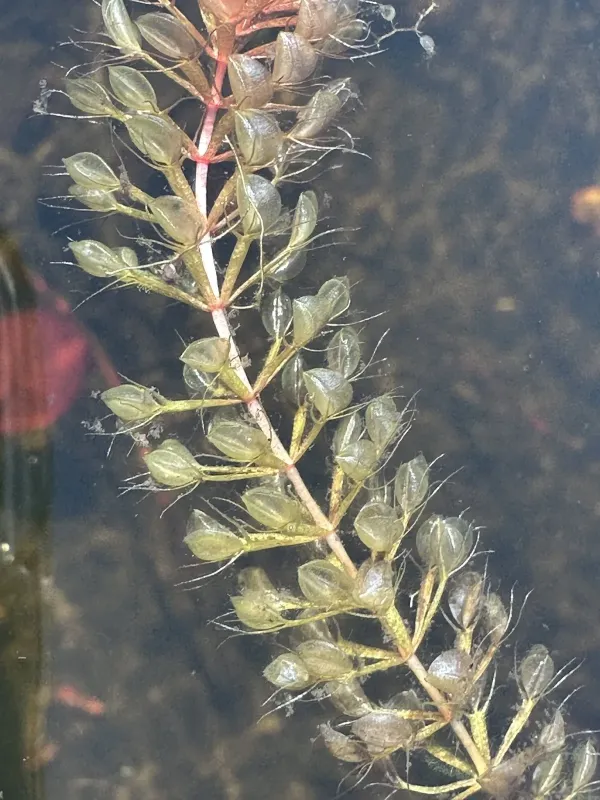
Aldrovanda vesiculosa, commonly known as the waterwheel plant, is a fascinating free-floating aquatic carnivorous plant belonging to the Droseraceae family. It is distinct for its whorls of snap-traps that capture small aquatic prey, mirroring the mechanism found in the Venus flytrap.
To cultivate this plant successfully, one must maintain high water quality with low mineral content. The water should be slightly acidic, with a pH ranging from 6.0 to 6.5, and free from high concentrations of calcium or magnesium, which are generally detrimental to its health.
Light intensity is paramount for the vitality of the plant. It requires bright, direct sunlight to thrive; under greenhouse conditions, high-intensity artificial grow lights are often used to supplement natural light during shorter days to ensure robust vegetative growth.
Temperature requirements are fairly specific, with an optimal range between 20°C and 30°C. Maintaining stable thermal conditions is essential, as rapid changes in water temperature can cause the plant to stop growth or fail to enter the necessary dormancy phase.
The plant relies on capturing live prey to meet its nutritional requirements, specifically nitrogen and phosphorus. In a managed environment, it is critical to introduce populations of small organisms like Daphnia or ostracods to sustain the plant’s growth and metabolic functions.
Main diseases and pests
Algal blooms pose the greatest threat to Aldrovanda populations. Excessive algae growth blocks essential sunlight and competes for nutrients, often leading to the rapid decline and eventual death of the waterwheel plant colonies in the affected water body.
Chemical contamination is another significant risk factor. The plant is extremely sensitive to herbicides, pesticides, and industrial runoff. Even minute amounts of these contaminants in the water supply can be lethal, given the plant's delicate nutrient absorption system.
Overcrowding by other aquatic flora, such as duckweed, significantly limits the available space and sunlight. Regular maintenance, including the thinning of competing vegetation, is necessary to ensure the survival and expansion of the Aldrovanda colony.
Fungal pathogens can flourish if dead organic matter is left to decay within the water system. Maintaining a clean environment by removing decaying plant parts is a standard practice to prevent the spread of mold and rot across the whorls of the plant.
Failure to undergo proper winter dormancy is a critical physiological threat. The plant needs a cool period to form turions; without this natural cycle, the plant may exhaust its energy reserves and fail to regenerate during the following growing season.