
Alchemilla nemoralis
Alchemilla nemoralis
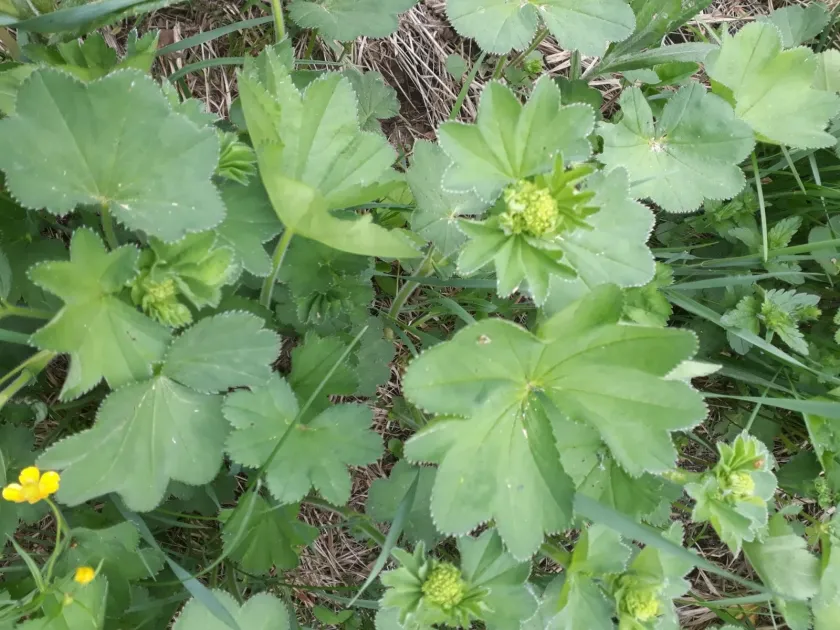
Description
Sowing dates
Alchemilla nemoralis, a member of the Rosaceae family, is a perennial herb valued for its biological properties. Propagation is typically achieved through seeds, although division of the root system is a viable method for established plantings.
Seeds of this species exhibit a period of dormancy, necessitating cold stratification to achieve satisfactory germination rates. Sowing is usually performed in late autumn or early spring, following a period of pre-chilling to break embryo dormancy.
The seeds are relatively small and should be sown near the soil surface, with a maximum coverage of 0.5 centimeters. Ensuring proper soil-to-seed contact is essential for water absorption and successful emergence of the seedlings.
Optimal germination occurs at temperatures between 15 and 18 degrees Celsius. Providing consistent moisture during the germination period is critical to prevent the small seeds from desiccating before they can establish a root system.
Once established, the plants form a dense basal rosette. Proper spacing is essential to allow for airflow, which reduces the risk of fungal diseases that often thrive in the dense foliage of this species.
Growing requirements
Alchemilla nemoralis thrives in partially shaded environments, mirroring its natural habitat in forest margins and meadows. Intense, direct sunlight during peak summer can cause leaf scorch and dehydration, reducing overall biomass production.
The ideal soil is rich in organic matter, loam-based, and maintains constant moisture. While the plant loves water, it is imperative to ensure that the site has good drainage, as waterlogged soils can lead to root decay.
A soil pH ranging from 6.0 to 7.0 is considered optimal for growth. Regular additions of compost or well-rotted manure enhance soil structure and fertility, supporting vigorous leaf production throughout the growing season.
Management of the irrigation schedule is paramount, especially during dry spells. Drip irrigation systems are preferred as they deliver water directly to the root zone, keeping the foliage dry and minimizing the spread of pathogens.
The plant demonstrates significant hardiness and can endure harsh winter climates without special protection. Its robust nature makes it a reliable perennial for various temperate agricultural zones.
Main diseases and pests
Powdery mildew represents a primary threat to Alchemilla nemoralis, particularly in stagnant, humid air conditions. Cultural control, such as thinning the planting density to promote airflow, is the first line of defense.
Pests like aphids and spider mites can cause damage by feeding on the leaves, leading to stunted growth. Monitoring programs should be implemented to detect infestations early before they reach an economic threshold for control.
Slugs and snails often pose a challenge for young plants during rainy spring weather. Physical barriers, such as copper tape or organic baits, are typically used to protect the crops from these mollusks.
Root rot, caused by various soil-borne fungi, occurs if the soil drainage is inadequate. Proper land leveling and the use of raised beds can mitigate these risks in areas prone to excessive water accumulation.
Weed control is essential during the early developmental stages of the crop. Manual weeding and organic mulching are effective strategies for suppressing competitive vegetation while maintaining soil moisture levels.