
Mountain Lady's Mantle
Alchemilla monticola
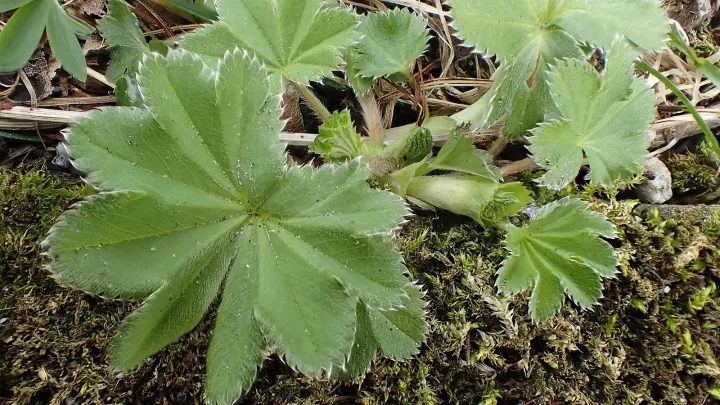
Description
Sowing dates
Mountain Lady's Mantle (Alchemilla monticola) is a hardy perennial belonging to the Rosaceae family. Propagation is primarily achieved through seeds, which require a cold stratification period to break dormancy and ensure uniform germination.
Seeds should be sown in prepared beds during the autumn or early spring. Surface sowing is recommended as the seeds require light for germination; they should only be lightly pressed into the soil to ensure good contact.
When starting in containers, maintain a cool environment for the seeds. Seedlings can be transplanted to their permanent locations once they have developed at least two or three true leaves.
Self-seeding is a natural characteristic of this species. In larger plantings, this should be managed by clearing away excess seedlings to maintain the desired density and crop health.
Vegetative propagation via division of mature clumps is an effective way to multiply the crop. This is best performed in early spring or late autumn when the plant is not in its peak growth phase.
Growing requirements
This crop thrives in moist, well-drained soils that are rich in organic matter. While it is adaptable to various soil textures, it shows the best vigor in loamy soils with a near-neutral pH.
Mountain Lady's Mantle is exceptionally cold-hardy, reflecting its native adaptation to mountain environments. It requires minimal winter protection, even in regions with harsh freezing conditions.
Consistent soil moisture is essential for the plant to maintain its signature folded foliage. Prolonged drought can lead to aesthetic deterioration and a significant reduction in biomass yield.
Partial shade is often beneficial, especially in hotter climates, as it prevents the leaf edges from scorching. However, the plant can tolerate full sun provided the soil moisture is kept constant.
The plant benefits from moderate fertility. Over-fertilization with nitrogen should be avoided, as it encourages excessive vegetative growth that may become susceptible to fungal issues.
Yield
Peak biomass yield is typically achieved once the plant matures, usually in the second or third year of growth. It is a stable perennial crop that can remain productive for many years with appropriate care.
For medicinal purposes, the aerial parts (leaves and stems) are harvested during the full flowering stage, which is when the concentration of tannins and bioactive compounds is at its highest.
Harvesting should be done using sharp tools to avoid damaging the central crown of the plant. A single or double harvest per season is standard practice, depending on the climate and growth rate.
Dry matter yields are highly dependent on site management. Intensive irrigation during dry spells can significantly increase the total harvestable weight per hectare.
Proper harvest intervals allow the plant to regenerate successfully for subsequent years, ensuring a sustainable cycle of production on the same site.
Main diseases and pests
Powdery mildew is a common fungal threat, particularly in humid, poorly ventilated planting sites. Adequate spacing between individual plants is the most effective cultural preventative measure.
Root rot occurs if the soil becomes waterlogged or if drainage is insufficient. It is vital to ensure that the site has a high infiltration rate to prevent standing water.
Slugs and snails are the primary pests of this species. They frequently damage the leaves, especially during wet springs, which can impact both the ornamental and medicinal quality of the foliage.
Aphids may infest the flower stalks during periods of extreme heat. Biological controls or simple soap-based sprays are generally sufficient to manage minor infestations without harming the plant.
Consistent monitoring and early detection of pests or disease symptoms are crucial to maintaining the health of the entire crop plantation.
Harvesting
Harvesting should coincide with the peak flowering window to ensure that the aerial parts contain the desired concentration of medicinal secondary metabolites.
Immediate post-harvest processing is mandatory to prevent the degradation of the plant material. The cut stems must be spread out to avoid moisture buildup and heat-induced wilting.
Drying is performed in a clean, shaded area with constant airflow. Keeping temperatures below 45°C helps in preserving the natural color and essential properties of the harvested leaves.
Once dried, the raw material should be sorted and packaged. Storing it in a cool, dark, and dry environment prevents potential mold growth and loss of potency over time.
The final product, when stored properly in airtight containers or breathable bags, retains its quality for an extended shelf life, ready for commercial processing or distribution.