
Ainsliaea acerifolia
Ainsliaea acerifolia Sch. Bip.
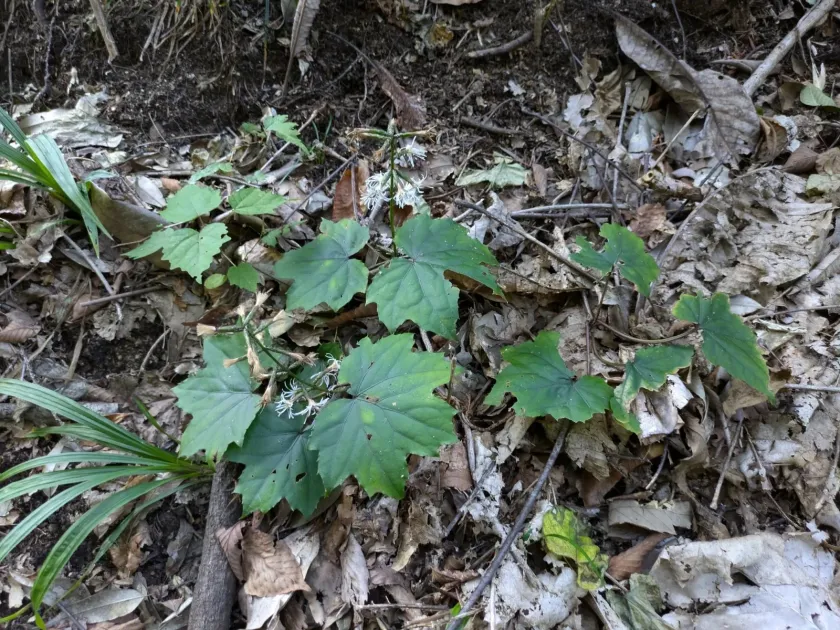
Description
Sowing dates
Propagation of Ainsliaea acerifolia is most effectively achieved through division of rhizomes, which should be performed during the dormant season to minimize transplant shock and encourage rapid growth.
For seed propagation, a cold stratification period is essential to break embryo dormancy, reflecting the plant's natural adaptation to the cooler mountain forests of its origin.
When transplanting, ensure that the plants are placed in areas that mimic their natural woodland habitat, providing protection from intense afternoon sun and heavy winds.
Spacing is critical to the long-term success of the plant; allowing 30 to 45 centimeters between individual specimens ensures adequate airflow, which is vital for preventing moisture-related issues.
Early spring is considered the optimal window for planting, as it allows the root system to establish itself thoroughly before the potential heat stress of mid-summer occurs.
Growing requirements
Ainsliaea acerifolia belongs to the Asteraceae family and is highly valued in horticulture for its unique maple-shaped foliage, which creates a rich textural contrast in shaded garden beds.
The plant thrives in soil that is rich in organic matter, slightly acidic to neutral, and possesses a light, airy structure to facilitate healthy root penetration and development.
Watering requirements are moderate; the soil should be kept consistently moist but never waterlogged, as excessive standing water can lead to root suffocation and rapid decay.
In terms of light, the species prefers filtered light or light shade, which reflects its evolutionary development in the forest understories of East Asian ecosystems.
While relatively hardy, the plant benefits from a layer of organic mulch during the dormant winter period, which helps regulate soil temperature and protects the rhizomes from freezing damage.
Main diseases and pests
The primary threats to this culture are fungal diseases, particularly those that manifest during periods of high humidity and poor site sanitation, such as leaf spot and damping off.
Garden pests like slugs and snails are particularly attracted to the soft, fresh foliage of the plant, often causing significant aesthetic damage if left unmanaged during the spring growth phase.
Root rot remains the most common physiological disorder, usually directly caused by improper soil drainage or excessive irrigation practices that inhibit oxygen access to the roots.
Preventative maintenance, such as regular cleaning of debris around the base of the plant and maintaining adequate spacing, significantly reduces the likelihood of severe pathogen outbreaks.
- Maintain good drainage in planting sites.
- Monitor foliage for early signs of slug damage.
- Apply mulch to protect roots from temperature fluctuations.
- Remove fallen leaves to prevent fungal growth.