
Agdestis clematidea
Agdestis clematidea
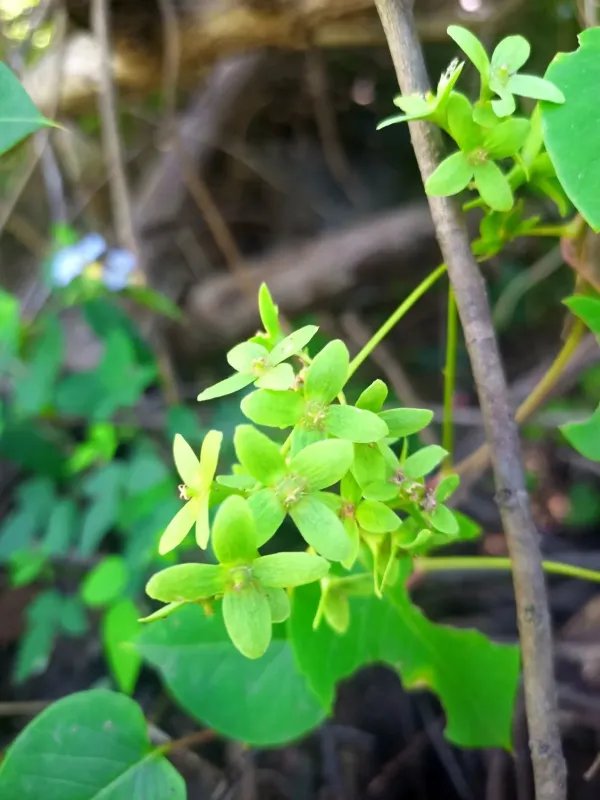
Description
Sowing dates
Agdestis clematidea is a member of the Phytolaccaceae family. It is a perennial herbaceous vine known for its rapid growth rate and fleshy, extensive root system.
Propagation is typically achieved through seeds, which should be started in a greenhouse or controlled environment in early spring. The seeds require consistent warmth to ensure successful germination.
Once seedlings have established sufficient strength, they are transplanted into their permanent outdoor location. It is crucial to wait until all frost risks have passed to ensure healthy development.
When selecting a site for sowing or planting, provide ample space for the vine to climb. Its aggressive growth habit requires sturdy trellises or walls to support its weight.
Proper spacing is key; gardeners should plant individuals at least 1.5 to 2 meters apart to prevent competition for nutrients and sunlight, allowing the foliage to reach its full potential.
Growing requirements
This species thrives in well-drained, fertile soil with a slightly acidic to neutral pH. It performs best in locations that receive full sunlight for the majority of the day.
Consistent watering is essential during the growing season. While the plant appreciates moisture, it is sensitive to waterlogged conditions, which can lead to root decay.
Fertilizing with compost or balanced organic fertilizers early in the season promotes robust vegetative growth. Providing nutrients helps the vine recover after periods of heavy foliage production.
Agdestis clematidea is not frost-hardy in temperate climates. The aerial parts will die back in winter, and the root system must be protected with mulch or excavated for storage.
High humidity levels are beneficial for this vine, given its tropical and subtropical origins. Gardeners in dry regions should provide regular misting or moisture management to keep the leaves hydrated.
Main diseases and pests
Spider mites and aphids are the most common pests affecting this plant. These insects often cluster on the undersides of leaves or on succulent new stems during hot, dry spells.
Root rot is a major threat if soil drainage is inadequate. Overwatering, especially in clay-heavy soils, can create an environment where pathogens thrive and destroy the root system.
Maintaining good airflow is a primary defense against fungal diseases such as powdery mildew. Proper pruning and spacing help ensure that foliage does not become too dense.
Sanitation practices, such as clearing debris from the base of the plant in the autumn, prevent the buildup of overwintering larvae and spores that could affect the next year's growth.
If chemical interventions are necessary, always select products labeled for ornamental plants and apply them during the cooler hours of the day to avoid leaf burn or damage to beneficial insects.