
Afrormosia
Afrormosia elata
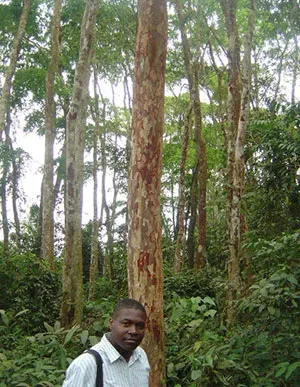
Description
Growing requirements
Afrormosia (Afrormosia elata) is a magnificent deciduous tree species belonging to the Fabaceae family. It is native to the tropical forests of West and Central Africa, where it plays a critical role in the local ecosystem structure.
This species thrives in high-rainfall tropical zones. It demands fertile, deep, and well-drained soils to support its substantial height, which can reach up to 50 meters in favorable environmental conditions.
Growth is notably slow, which contributes to the superior quality and high density of its timber. The tree is adapted to a stable climate and performs best in locations where moisture levels remain relatively constant throughout the year.
Botany-wise, the tree features pinnate leaves and small, cluster-forming flowers. As a member of the legume family, it contributes to nitrogen cycles in the forest soil, though it remains a long-term investment for any forestry project.
Young plants require adequate sunlight but are generally shade-tolerant in their early stages. However, as they mature, their requirements for canopy space and solar exposure increase significantly.
Harvesting
Afrormosia timber is highly sought after in international markets for its extreme durability and resistance to biological decay. It is frequently referred to as "African teak" due to its similarity to the renowned Tectona grandis.
The wood is primarily used for high-end carpentry, premium furniture manufacturing, shipbuilding, and luxury interior design. Its stability and resistance to moisture make it ideal for marine environments.
Processing this timber requires specialized tools due to its dense cellular structure. Despite this, it finishes beautifully, offering a rich, golden-brown aesthetic that darkens gracefully over time.
Due to over-exploitation, Afrormosia elata is currently protected under international trade agreements. These regulations aim to prevent deforestation and ensure that harvest levels are sustainable for future generations.
Current forestry efforts focus on plantation-based cultivation. Establishing controlled plantations is essential for meeting market demand while simultaneously protecting the remaining old-growth populations in their native African habitat.