
Aegagropila linnaei
Aegagropila
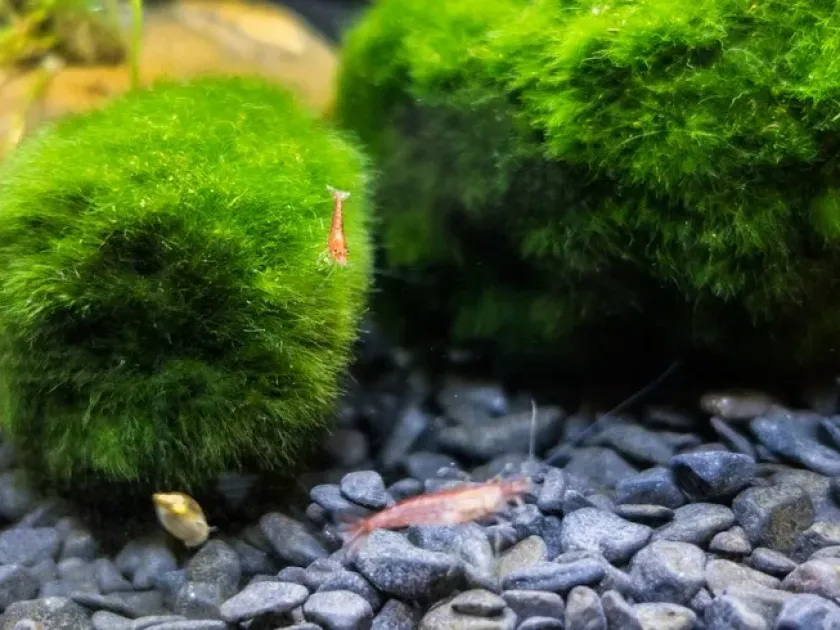
Description
Growing requirements
Aegagropila linnaei is a unique species of filamentous green algae belonging to the Cladophoraceae family. Known commonly for its spherical growth form, this organism is not a moss but a dense colony of algae that gains its iconic round shape through the action of gentle currents in its native freshwater habitats.
The natural range of this species covers the northern hemisphere, particularly cool lake environments in Japan, Iceland, and Northern Europe. These regions provide the necessary environmental stability, characterized by low nutrient levels and clean, oxygen-rich waters that favor the slow, steady growth of the colonies.
The botanical structure of the colony consists of branching filaments that grow outward from the center. This radial growth pattern ensures that the organism can photosynthesize effectively across its entire surface, provided that the colony is periodically rotated by water movement to prevent any side from being deprived of light.
In terms of cultivation requirements, temperature control is paramount. The culture thrives in cool water, ideally between 10 and 22 degrees Celsius. Maintaining these temperatures is essential for the longevity of the colony, as higher temperatures accelerate metabolic processes beyond the plant's capacity, causing structural collapse.
Light requirements for Aegagropila are modest, as it is naturally adapted to shaded or dim lake bottoms. In an artificial setting, indirect light is preferred, as intense direct sunlight or high-powered artificial lighting can easily trigger the growth of unwanted epiphytic algae, which can smother the colony and hinder its vital gas exchange.
Main diseases and pests
The primary threat to the health of the colony is the accumulation of detritus. As organic matter settles within the dense structure, it can trigger anaerobic decomposition, leading to dark patches and potential rot at the core of the sphere, which eventually results in the disintegration of the entire colony.
Invasive algae and cyanobacteria also pose significant risks. If the surface of the Aegagropila is compromised by faster-growing algae, the host colony will be deprived of nutrients and light. Regular maintenance, including gentle rinsing in clean water and manual removal of debris, is essential for its preservation.