
Adinandra integerrima
Adinandra integerrima
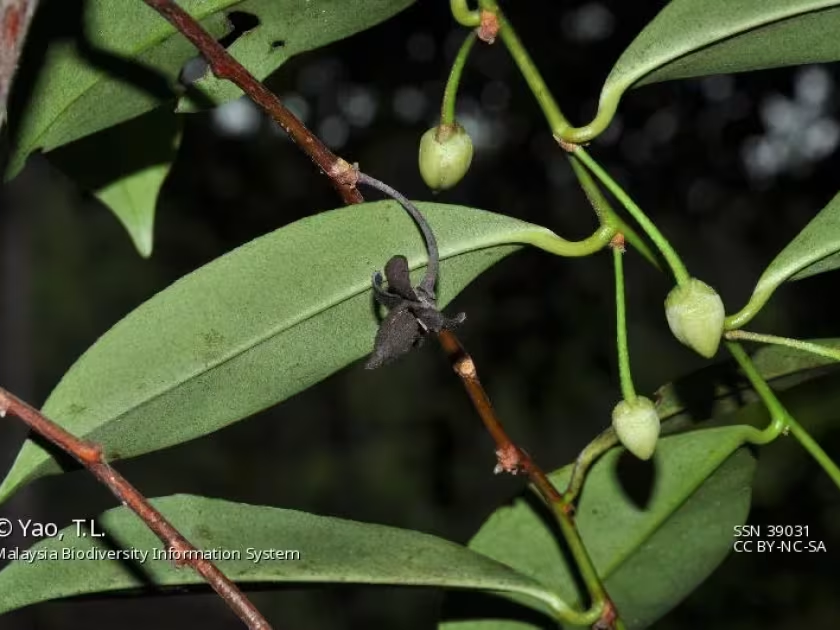
Description
Growing requirements
Adinandra integerrima is an evergreen woody plant belonging to the Pentaphylacaceae family. It is primarily native to the tropical and subtropical forests of Southeast Asia, where it thrives in the understory of complex forest ecosystems.
The cultivation of this species requires well-drained, acidic soils rich in organic matter. Like many species in its family, it favors environments with high humidity levels and avoids direct, intense sunlight, which can damage its leathery leaves.
Temperature requirements are stringent; the plant prefers stable, warm conditions and is intolerant of frost or extreme heatwaves. Consistent soil moisture is essential, though practitioners must ensure that the planting site has excellent drainage to prevent root waterlogging.
Botanically, the plant is distinguished by its entire-margined, coriaceous foliage, which allows it to maintain optimal metabolic rates in shaded environments. The species exhibits slow to moderate growth, resulting in dense, high-quality wood.
In terms of agricultural and economic use, Adinandra integerrima is valued for its unique phytochemical properties. While not a major commercial crop, it is researched for medicinal potential and is occasionally utilized in sustainable agroforestry systems in its native regions.
Main diseases and pests
The primary threats to Adinandra integerrima include various fungal pathogens that flourish in high-humidity tropical environments. Leaf spot diseases are common, especially when air circulation is poor and canopy density becomes excessive.
Root rot, typically caused by soil-borne oomycetes such as Phytophthora, presents a major risk if the soil structure does not allow for efficient drainage. These pathogens can rapidly decimate nursery stocks if left unchecked.
Pests such as scale insects and mealybugs are frequent challenges for this species. These sap-sucking insects drain the plant of essential nutrients and can lead to secondary viral infections or the growth of sooty mold on the foliage.
Leaf-eating larvae may periodically infest younger plants, potentially stripping foliage and hindering early development. Monitoring and manual removal are often preferred over chemical intervention in sensitive environmental zones.
Preventive management focuses on maintaining plant vigor through proper spacing and soil aeration. Keeping the environment clean of decaying organic matter helps to reduce the inoculum load of soil pathogens in the surrounding area.