
Actinostachys pennula
Actinostachys pennula
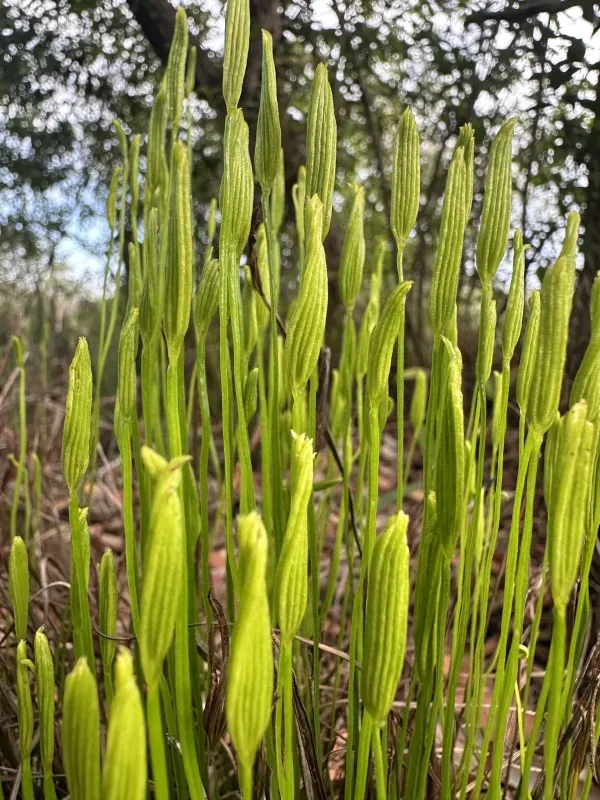
Description
Growing requirements
Actinostachys pennula is a distinct species of fern belonging to the Schizaeaceae family. Known for its unique morphology, this plant is primarily found in tropical habitats, where it thrives as a specialized component of the local forest understory vegetation.
The native distribution of this fern covers various regions of Central and South America. It prefers the humid and sheltered environments of tropical forests, where high atmospheric moisture and consistent temperatures provide ideal conditions for its vegetative growth and reproduction cycles.
Cultivation of this species requires strict adherence to environmental parameters. The substrate must be porous, acidic, and rich in organic matter to mimic natural forest floor conditions. Proper aeration of the root system is critical to prevent fungal infections and root rot.
Light management is another crucial aspect of caring for Actinostachys pennula. As a forest dweller, the plant is adapted to filtered or indirect light conditions; exposure to intense direct sunlight can damage its delicate fronds and lead to rapid dehydration and tissue death.
Although it holds no traditional agricultural status, the plant is of significant interest for botanical research and specialized collections. Its maintenance requires constant monitoring of ambient humidity, temperature stability, and high-quality irrigation practices to ensure optimal health.