
Actinolema eryngioides
Actinolema eryngioides
Description
Growing requirements
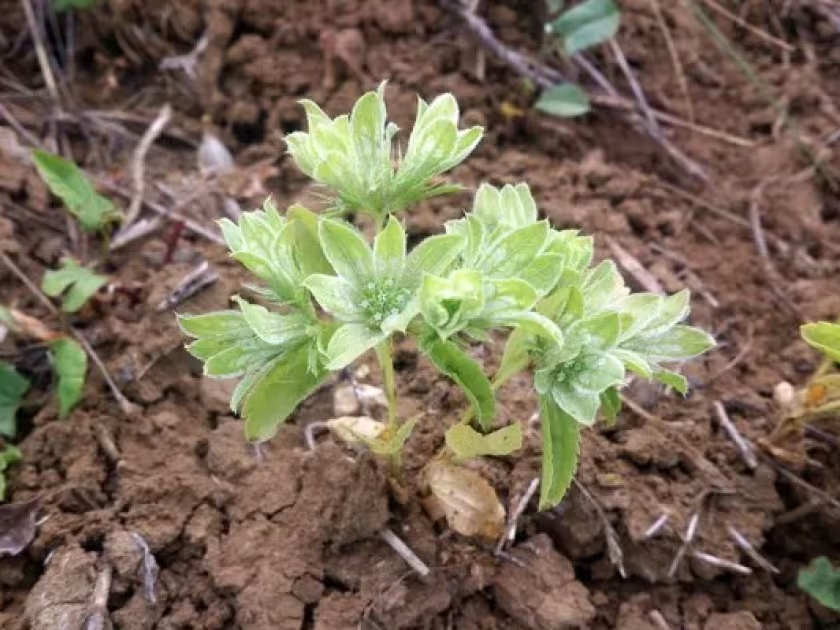
Actinolema eryngioides is a fascinating herbaceous species belonging to the Apiaceae family. Native to the mountainous regions of Western Asia, specifically Iran, it is a plant well-adapted to extreme environmental conditions and rocky substrates.
The plant is characterized by a basal rosette of leaves and a robust flowering stem, mirroring the structural features of Eryngium species. It thrives in open, sunny locations where it can maximize photosynthesis while minimizing water loss through its hardy foliage.
Ideal soil requirements include well-draining, sandy, or gravelly substrates that prevent water stagnation. The plant is inherently drought-tolerant, but in a cultivated setting, it demands a balance between adequate irrigation during establishment and dry periods to prevent root decay.
Climatic preferences include high UV exposure and significant temperature variations between day and night, common in high-altitude habitats. Cultivators should aim to replicate these conditions by providing ample space for airflow and direct sunlight.
Agronomic management of this species is primarily focused on mimicry of its natural environment. Minimal fertilization is usually sufficient, as the plant is evolved to extract nutrients from nutrient-poor alpine or semi-arid soils.
Main diseases and pests
The primary threat to the health of Actinolema eryngioides is fungal root rot, which typically develops due to poor drainage and waterlogged soil conditions. This makes the selection of an appropriate growing site critical for long-term viability.
Pests such as aphids and spider mites can infest the foliage, particularly when the plants are stressed by extreme heat or humidity. Regular inspection of the undersides of leaves is recommended for early detection of these populations.
Leaf spot diseases caused by moisture-related pathogens may emerge during unusually damp seasons. Increasing spacing between plants helps to reduce humidity levels around the foliage and minimizes the risk of rapid disease spread.
Small mammals and snails may pose a risk to young, tender plants, necessitating the use of physical barriers or organic pest deterrents. Protection during the early development phase significantly increases the survival rate of the crop.
Integrated pest management strategies, emphasizing cultural practices over chemical interventions, are highly recommended. Maintaining a clean cultivation area free of debris helps reduce potential reservoirs for both pests and disease spores.