
Actiniopteris australis
Actiniopteris australis
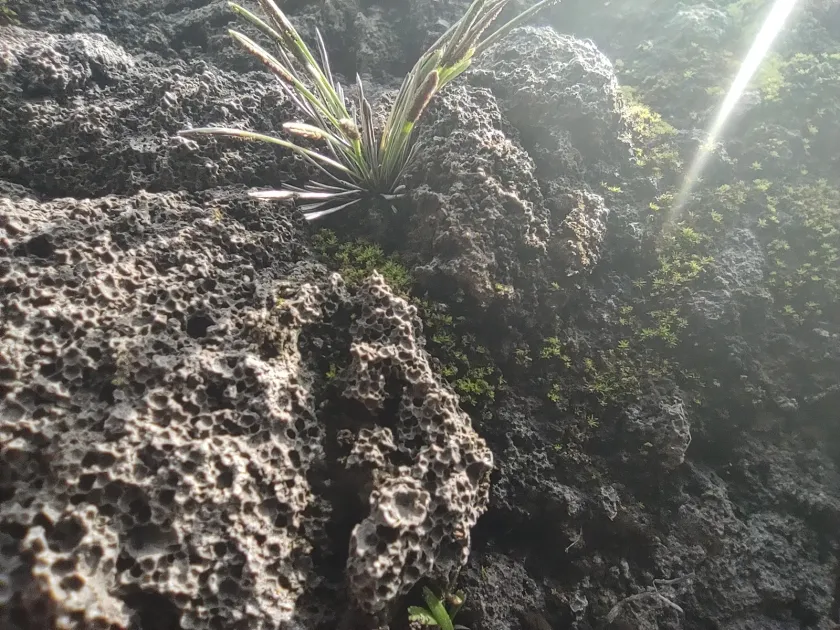
Description
Growing requirements
Actiniopteris australis belongs to the Pteridaceae family. This miniature herbaceous plant resembles a tiny palm tree in appearance, though it is technically a true fern species.
The culture originates from tropical regions of Africa, Asia, and the islands of the Indian Ocean. In its natural habitat, the plant typically inhabits rocky crevices, providing shelter from direct sunlight.
For successful cultivation, the plant requires well-draining substrates. A mixture of leaf mold, peat, and sand with some charcoal added is considered optimal to prevent root system acidification.
The species is extremely sensitive to overwatering and waterlogging. In greenhouse or indoor conditions, it is essential to maintain a stable temperature while avoiding sudden fluctuations and cold drafts.
The plant is highly valued for its aesthetic appeal, specifically its stiff, fan-shaped fronds. It is commonly used as a rare collector's specimen in phytodesign and conservatory settings.
Main diseases and pests
Common pests affecting this culture include scale insects and spider mites. When air humidity levels drop and the substrate dries out excessively, the risk of pest infestation increases significantly.
Root rot poses the most severe threat to Actiniopteris. The development of pathogenic fungi is usually triggered by excessive watering and the absence of adequate drainage in the container.
Insufficient light causes the fronds to turn pale, while direct sunlight exposure can burn the delicate segments. The plant thrives best under bright but indirect light conditions.
To prevent fungal diseases, it is important to avoid applying water directly to the crown of the plant. Bottom watering or moderate moisture application along the edges of the pot is recommended.
Regular inspection of the underside of the fronds allows for early detection of insect infestations. If pests are detected, the use of mild biological agents is advised, as ferns are sensitive to harsh chemicals.