
Acrotrema lanceolatum
Acrotrema lanceolatum
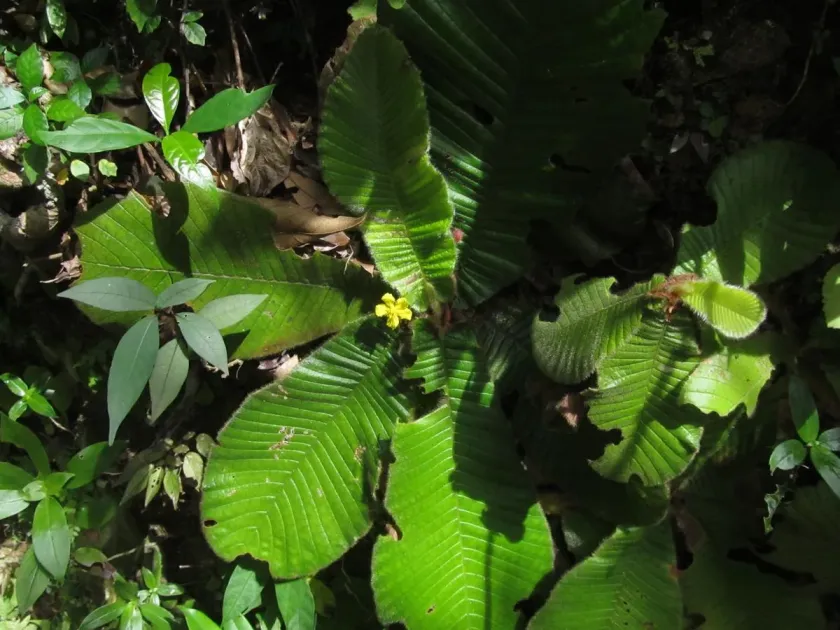
Description
Growing requirements
Acrotrema lanceolatum is a perennial herbaceous plant belonging to the Dilleniaceae family. Native to the humid tropical forests of South India and Sri Lanka, this plant is specifically adapted to the low-light and high-humidity environments of the forest understory.
The cultivation of this crop requires strict control over environmental factors, primarily maintaining a constant tropical temperature range and high ambient moisture. Plants cannot withstand direct sunlight, requiring shaded environments to prevent dehydration and chlorophyll degradation.
Soil requirements focus on nutrient-rich, well-drained substrate compositions that mimic the forest floor detritus. An essential aspect of its agricultural care is preventing waterlogging, which can lead to rapid root rot, a common issue for this species when grown in artificial containers.
Agronomic management involves periodic monitoring of soil pH and humidity levels. Since the plant is primarily a subject of botanical and pharmaceutical interest, its propagation is usually conducted under controlled greenhouse conditions to ensure stable chemical profiles in the harvestable biomass.
Economic use of Acrotrema lanceolatum is directed toward the pharmaceutical industry and traditional herbal medicine practices. The species is valued for its specific secondary metabolites, which are under investigation for their bioactive properties, including potential antimicrobial and antioxidant applications.