
Acradenia frankliniae
Acradenia frankliniae
Description
Growing requirements
Acradenia frankliniae is a rare, evergreen shrub belonging to the Rutaceae family. It is endemic to the western and southwestern regions of Tasmania, where it thrives in cool, moist, and sheltered environments typical of temperate rainforest understories.
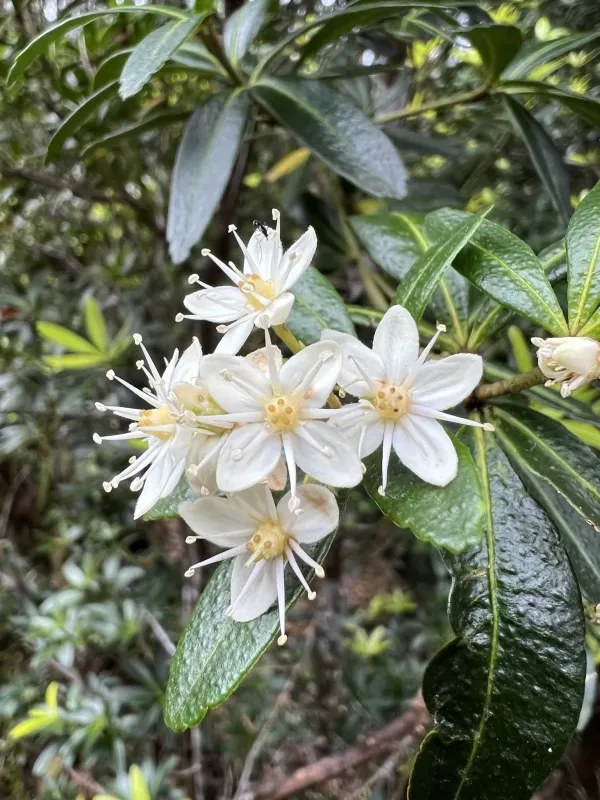
Botanically, the plant features glossy, trifoliate leaves that emit a pleasant citrus-like fragrance when crushed. Its flowers are creamy-white, arranged in clusters, and provide a high ornamental value during the blooming season, making it a desirable specimen for specialized gardens.
To cultivate this species, growers must provide a site that mimics its natural habitat. This includes partial shade, protection from harsh winds, and consistent moisture levels. A well-draining, acidic, organic-rich soil is essential for the healthy development of its root system.
Agricultural and horticultural management involves regular monitoring of soil acidity and moisture. It is not a drought-tolerant species; therefore, irrigation systems or careful manual watering must be maintained throughout the growing season to prevent transplant shock or dieback.
Acradenia frankliniae is primarily utilized in ornamental horticulture and botanical collections. Due to its slow growth habit and unique aesthetic appeal, it is highly valued by landscape designers looking for architectural plants suitable for shaded or semi-shaded garden areas.
Main diseases and pests
The primary concern for Acradenia frankliniae is the susceptibility to root pathogens triggered by waterlogged conditions. Ensuring that the planting site has excellent drainage is the most effective way to prevent lethal fungal diseases like Phytophthora.
Insect pests such as scale insects and spider mites may occasionally infest the foliage, particularly in greenhouse or nursery conditions with poor air circulation. Integrated pest management practices, including physical removal and biological controls, are highly recommended.
Nutrient deficiencies, particularly iron or magnesium, can manifest as leaf chlorosis if the soil pH is not maintained within the optimal acidic range. Regular soil testing and the application of chelated micronutrients can effectively resolve these nutritional issues.
Environmental stress, such as extreme heat or sudden exposure to direct sunlight, can scorch the leaves and weaken the plant's natural defense mechanisms. Providing adequate screening or overhead protection is vital for young shrubs during their establishment phase.
Pruning should be handled with caution, using sanitized tools to prevent the introduction of pathogens. Because the plant has a slow growth rate, severe pruning should be avoided to prevent excessive stress and allow the shrub to maintain its natural, healthy form.