
Störck's Monkshood
Aconitum stoerkianum
Description
Sowing dates
Propagation of Störck's Monkshood (Aconitum stoerkianum) is primarily achieved through vegetative methods, specifically the division of established clumps. This practice is best performed in early spring as growth resumes or in late autumn once the plant has entered dormancy.
Seeds of Aconitum require a period of cold stratification to overcome physiological dormancy. Sowing seeds in late autumn allows them to experience natural winter temperatures, which significantly increases germination rates when the warmth of spring arrives.
When planting, ensure that divisions are placed at a depth of approximately 5 to 10 centimeters. The spacing between individual plants should range from 30 to 45 centimeters to provide enough airflow and space for the root system to expand fully during the growing season.
Young plants benefit from consistent moisture during their first year of establishment. It is critical to keep the soil moist but not waterlogged, as the roots require a delicate balance of oxygen and hydration to thrive in their new environment.
Mulching the surrounding soil after planting helps maintain stable moisture levels and suppresses weed growth. Organic mulch, such as wood chips or compost, also provides a slow-release source of nutrients that supports the initial development of the root network.
Growing requirements
Aconitum stoerkianum, a member of the Ranunculaceae family, thrives in fertile, moisture-retentive soils with high organic content. The plant performs best in slightly acidic to neutral soil conditions, which mimic its natural mountain and meadow habitats.
While the plant is hardy and adaptable, it prefers a semi-shaded location. Exposure to intense, direct afternoon sunlight can lead to leaf scorch and dehydration, significantly reducing the overall vigor and aesthetic appeal of the monkshood.
Proper drainage is essential for the health of the plant. Although it loves moisture, stagnant water in the root zone is a common cause of failure. Incorporating sand or fine gravel into the soil mixture can improve drainage in heavier clay-based soils.
Regular fertilization is beneficial for maintaining the robust growth of the tall, spike-like flowering stalks. Applying a balanced NPK fertilizer in the early spring, followed by a lighter application before blooming, ensures the plant has sufficient nutrients for production.
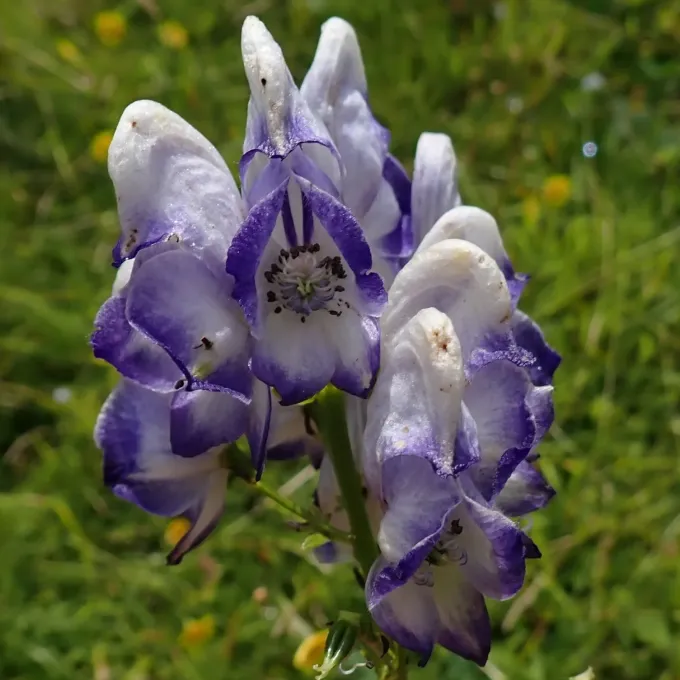
Support for the tall stalks is often necessary, especially in gardens exposed to high winds. Staking or placing the plant in a sheltered area protects it from mechanical damage, ensuring that the beautiful blue or violet flowers remain upright and visible.
Main diseases and pests
Powdery mildew is a common fungal threat to Aconitum, often appearing during humid, stagnant weather conditions. Maintaining adequate space between plants to allow for airflow is the most effective preventative measure against this fungal pathogen.
Root rot is a critical risk, typically caused by over-watering or poor soil drainage. If the soil remains saturated for extended periods, the root system will quickly decay, leading to the collapse and death of the plant from the base upward.
Pests such as aphids and nematodes can infest the foliage and root systems, leading to stunted growth or yellowing of the leaves. Regular scouting and immediate intervention with appropriate insecticidal soaps or treatments are recommended to manage these threats.
All parts of Störck's Monkshood contain potent alkaloids, which make the plant highly toxic if touched without protection or ingested. It is mandatory to use gloves and long-sleeved clothing when performing pruning or division to prevent dermal contact.
In cases of severe infestation or disease outbreak, targeted chemical controls may be used according to local agricultural regulations. Always prioritize the safety of the gardener and beneficial insects by applying treatments carefully and precisely to the affected plants.