
Paurotis palm
Acoelorraphe wrightii
Description
Growing requirements
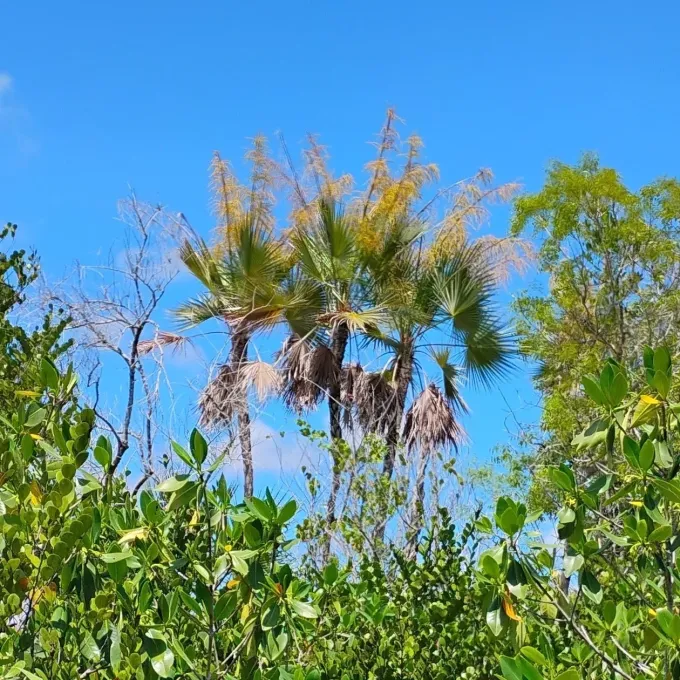
The Paurotis palm (Acoelorraphe wrightii) is a perennial evergreen plant belonging to the Arecaceae family. This species is unique for its clustering habit, where multiple thin stems arise from a single rootstock, creating dense and ornamental clumps.
Native to tropical regions such as the Caribbean, Central America, and southern Florida, the plant is naturally adapted to wetland environments, including swamps and mangroves. This makes it highly resilient to saturated soil conditions compared to many other palm species.
Botanically, it is characterized by fan-shaped leaves that feature a striking contrast between the deep green upper surface and the silvery-grey underside. The stems are typically thin, covered with fibrous, web-like material, adding to its unique architectural appeal in landscapes.
Regarding climate, this palm thrives in humid, frost-free conditions. It requires bright, indirect light to maintain its optimal growth rate and leaf coloration. In temperate regions, it is primarily managed as a container plant in greenhouses or atriums where temperature control is possible.
Soil requirements involve a rich, well-draining yet moisture-retentive medium. While the species is tolerant of wet soil, providing a balanced substrate ensures that root aeration is sufficient, preventing long-term stress in a controlled agricultural or domestic environment.
Main diseases and pests
Common pests that affect Acoelorraphe wrightii include spider mites, scales, and mealybugs. These insects often target the undersides of the fan-shaped leaves, especially in environments with poor air circulation and low humidity levels.
Fungal infections, such as leaf spot or root rot, are typically linked to irrigation mismanagement. Excessive moisture combined with stagnant air significantly increases the risk of these pathogens, necessitating careful monitoring of the moisture status of the soil.
Nutrient deficiencies are common in container-grown specimens. Signs such as yellowing of the foliage indicate a lack of essential micronutrients, requiring the use of specialized slow-release fertilizers formulated for palms to restore health.
Prevention involves consistent hygiene practices, including the removal of dead foliage and the inspection of new growth for early signs of infestation. Ensuring proper spacing between plants helps maintain airflow and reduces the risk of pest outbreaks.
Chemical treatments should be approached with caution; integrated pest management (IPM) strategies, such as using neem oil or insecticidal soaps, are often sufficient to handle minor pest populations without harming the plant's delicate tissues.