
Acmadenia tetragona
Acmadenia tetragona
Description
Growing requirements
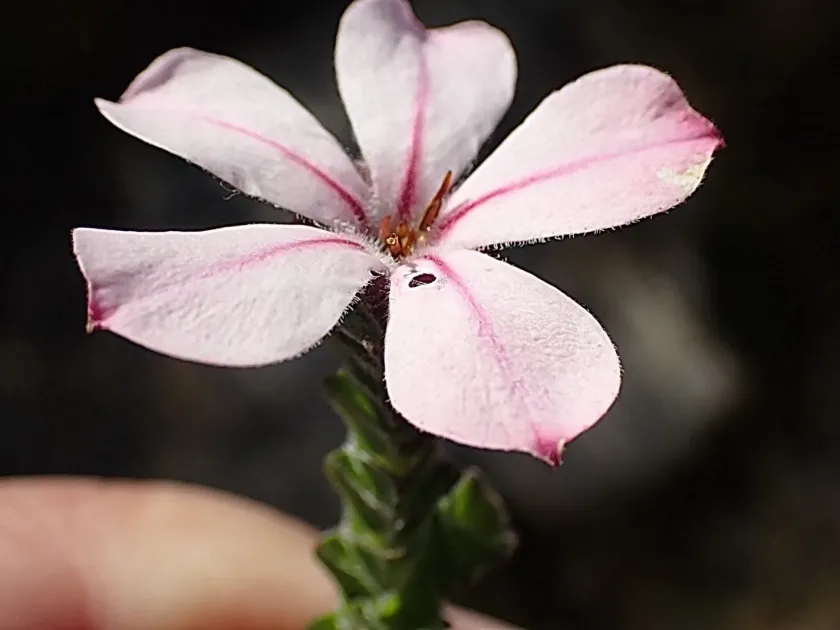
Acmadenia tetragona is an evergreen shrub belonging to the Rutaceae family. It is endemic to the Cape region of South Africa, where it thrives in the unique fynbos vegetation zone, characterized by long, dry summers and mild, wet winters.
The plant is scientifically notable for its distinctive four-angled stems, which give the species its specific epithet. The leaves are small, leathery, and punctate with oil glands, containing aromatic compounds that produce a pleasant scent when crushed, typical for many members of the citrus-related family.
Cultivation requires well-drained, nutrient-poor, sandy or rocky soils. As an adaptation to its native habitat, the plant is highly intolerant of waterlogged soil, making the selection of a well-draining site or a specific substrate essential for successful growth.
Optimal conditions involve full sun exposure and good air circulation to maintain plant health. Providing these conditions helps simulate the mountain slope environment where the plant naturally occurs, minimizing the risk of physiological disorders.
Acmadenia tetragona is primarily used in ornamental gardening. It is highly prized by collectors and landscape designers for rock gardens, xeric landscaping, and container gardening, where its slow growth and compact form are highly valued.
Main diseases and pests
Root rot is the most significant threat to the survival of Acmadenia tetragona. This condition is almost always caused by improper watering techniques or heavy soil media that holds too much moisture, suffocating the root system.
Pests such as spider mites and mealybugs can affect the plant, particularly in sheltered or greenhouse environments where humidity levels are low. These pests can rapidly weaken the plant by feeding on the sap of the leaves and stems.
Disease prevention is centered on proper hygiene and site selection. Ensuring that the plant has adequate space and airflow will naturally suppress the development of many fungal pathogens that prefer stagnant, humid conditions.
Nutrient deficiencies may occur if the soil pH is not maintained within the ideal slightly acidic range. If leaf chlorosis is observed, it is recommended to test the soil and apply appropriate fertilizers designed for acid-loving or specialized fynbos-type plants.
Mechanical damage to the roots or stems should be avoided, as the plant has a slow recovery rate. Any pruning should be done carefully, using sterilized tools to ensure that the plant remains healthy and resistant to opportunistic infections.