
Acleisanthes longiflora
Acleisanthes longiflora
Description
Growing requirements
Acleisanthes longiflora, commonly known as the desert trumpet or angel trumpet, is a fascinating member of the Nyctaginaceae family. Native to the arid regions of the southwestern United States and northern Mexico, it is highly adapted to harsh, water-limited environments.
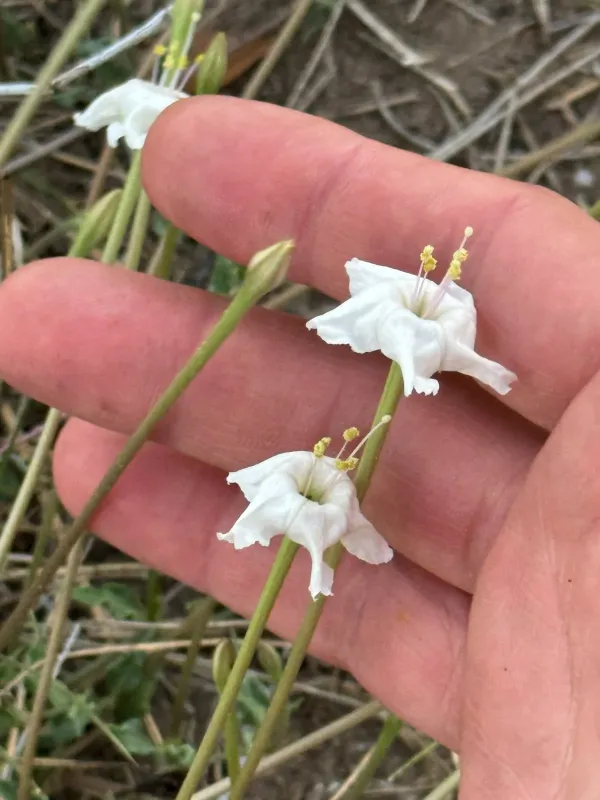
This species is biologically unique due to its specialized night-blooming flowers. The extremely long floral tubes are an evolutionary adaptation to ensure pollination by long-tongued hawk moths, which are active during the cooler hours of the night in desert habitats.
The plant thrives in full sun and requires exceptionally well-draining soil to mimic its natural rocky or sandy substrate. It is remarkably drought-tolerant, utilizing its deep root system to tap into moisture reserves far below the surface during intense heat.
When cultivating this plant, it is critical to avoid heavy, moisture-retentive soils. It performs best in alkaline to neutral pH soils that provide excellent aeration. Excessive irrigation is generally detrimental, as the plant is not equipped to handle waterlogged conditions.
The crop is often utilized in specialized xeriscaping projects where water conservation is a priority. Beyond its aesthetic appeal, it serves as a robust example of a plant species that manages metabolic processes effectively under high temperature and low precipitation regimes.
Main diseases and pests
The most significant threat to the health of Acleisanthes longiflora is the presence of fungal pathogens caused by improper watering. Root rot is a common issue when the soil remains too wet, leading to the rapid deterioration of the plant's vascular system.
While the plant is quite hardy, it can occasionally be susceptible to sap-sucking insects like spider mites or aphids if it experiences prolonged environmental stress. Implementing a dry, well-ventilated growing strategy is the primary method of preventing these pest infestations.