
Acisanthera quadrata
Acisanthera quadrata
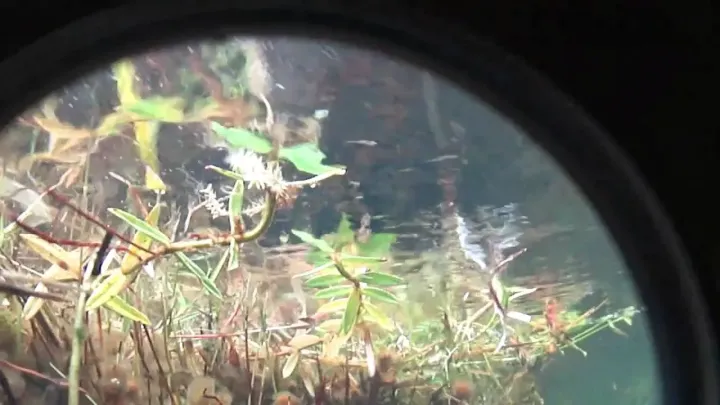
Description
Growing requirements
Acisanthera quadrata is a botanical species belonging to the Melastomataceae family. This herbaceous plant is specifically adapted to tropical environments, thriving in habitats characterized by consistent moisture and high relative humidity levels.
Native to Central and South America, the species is typically found in wetlands, near stream banks, and in other areas where soil moisture remains constant. Its natural range reflects a need for stable tropical temperatures to ensure vegetative vigor.
The plant is anatomically defined by its quadrangular stems, which provide the basis for its scientific name. It exhibits typical melastome leaf morphology with prominent venation, while its reproductive structures produce delicate, showy flowers during the blooming phase.
In terms of cultivation, the soil requirement is quite specific: it must be rich in organic matter and possess an acidic reaction. Maintaining high soil moisture levels is essential, as the plant lacks drought tolerance and can suffer irreversible wilting if the substrate dries out.
Its primary agricultural and horticultural utility lies in its use within specialized tropical landscaping and as a subject for physiological research. Due to its affinity for water, it is sometimes studied for its potential role in phytoremediation within tropical ecosystems.
Main diseases and pests
Fungal pathogens represent the most significant threat to Acisanthera quadrata, especially when airflow is restricted in greenhouse settings. Pathogens like Botrytis or localized leaf spots can rapidly compromise the health of the plant if humidity is not managed.
Common agricultural pests include mites and aphids that exploit the succulent nature of the plant stems. Integrated pest management strategies are crucial, focusing on biological controls to maintain the health of the foliage without damaging the plant's delicate structures.