
Acharia tragodes
Acharia tragodes
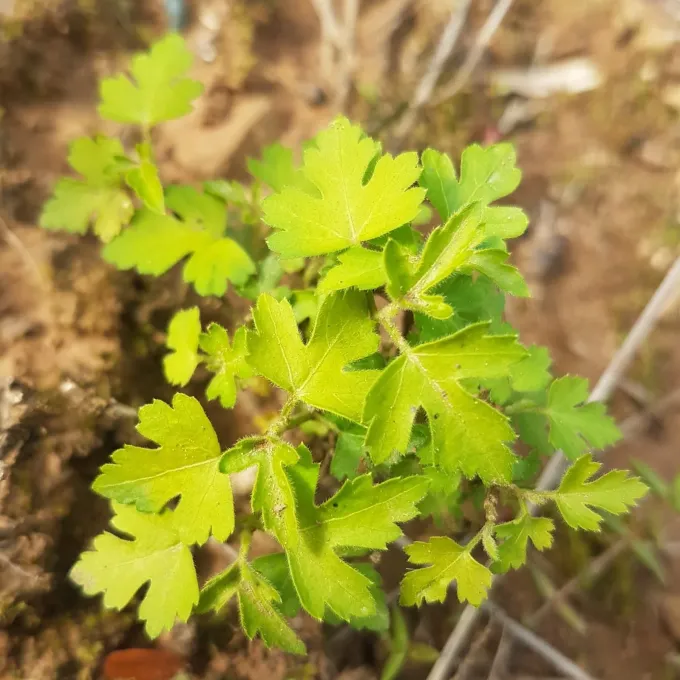
Description
Sowing dates
Acharia tragodes requires precise sowing conditions to ensure optimal germination and early plant development. The ideal planting time is when the soil temperature consistently reaches the required thermal threshold for the species.
Seed preparation techniques, including careful sorting and pre-sowing treatments, are essential for maximizing the yield potential. Sowing density must be strictly managed to avoid overcrowding and resource competition.
Modern agricultural equipment allows for uniform seed depth, which is crucial for achieving an even stand. The distance between rows is typically set to optimize both light capture and the efficiency of subsequent field operations.
Following the seeding process, soil compaction should be monitored to ensure it remains conducive to root penetration. In regions with shorter growing seasons, starting plants indoors is a common practice.
Effective water management during the emergence phase is critical, as excessive moisture can lead to rot, while insufficient moisture may cause dormancy in seeds. Maintaining a stable environment is key to success.
Growing requirements
The culture thrives in fertile, well-drained soils with a balanced nutrient profile. High organic matter content is beneficial for maintaining the structural integrity of the soil and supporting beneficial microorganisms.
Optimal growth is achieved in sunny locations, as the plant is highly sensitive to light levels. Adequate solar exposure is necessary for the proper development of the vegetative parts and the accumulation of plant sugars.
Watering requirements depend on the growth stage; however, consistency is paramount. Drip irrigation is recommended to prevent water contact with leaves, which reduces the incidence of common foliar diseases.
Temperature management is another key factor for successful cultivation. The plants require a stable, moderate temperature range, as extreme heat or cold can disrupt their metabolic processes.
Regular monitoring of soil pH is advised to ensure that nutrients remain available to the plant throughout the growing season. Adjustments can be made through precise liming or fertilization programs.
Main diseases and pests
Pest management is an integral part of Acharia tragodes cultivation. Common threats include various sap-sucking insects that can weaken the plant and serve as vectors for secondary viral infections.
Fungal pathogens represent the most significant threat during periods of high humidity. Proactive measures, such as maintaining proper plant spacing and ensuring good ventilation, are the primary defenses against these infections.
Weed control is essential, particularly during the first few weeks of growth when the plants are most vulnerable to competition. Mechanical cultivation and mulching are effective strategies for maintaining a clean field.
Integrated Pest Management (IPM) practices should be employed to balance chemical and biological controls. This ensures that the production process remains sustainable and minimizes environmental impacts.
Sanitation practices after the harvest, such as removing and destroying crop residues, are vital for breaking the disease cycle and preventing overwintering of pathogens in the field soil.