
Acanthostyles buniifolius
Acanthostyles buniifolius
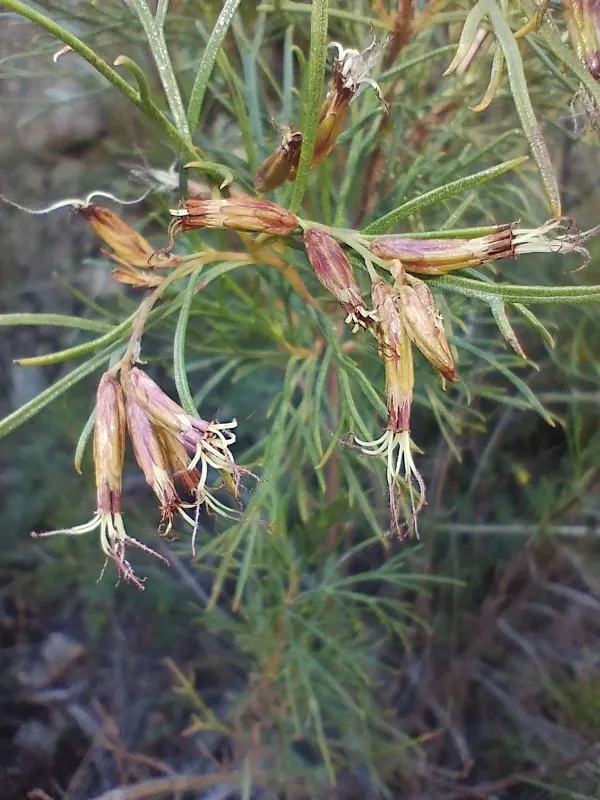
Description
Sowing dates
Acanthostyles buniifolius requires careful consideration of sowing dates to match the optimal climatic conditions of the growing season.
Spring sowing is generally recommended as it ensures the plant receives sufficient warmth to establish a robust root system before the heat of summer.
Utilizing greenhouse seedling production allows for better management of germination rates and provides protection during the sensitive early stages of growth.
Seeds should be sown in a high-quality, well-draining potting medium, ensuring they are not buried too deeply to allow for proper light absorption.
Once seedlings have reached the appropriate size, they should be hardened off before being transplanted to the main field to ensure survival.
Growing requirements
This member of the Asteraceae family thrives in well-drained, porous soils that prevent the accumulation of excess water around the roots.
The plant requires a site with full sun exposure, as sufficient light intensity is crucial for the development of its bioactive components.
Soil pH levels should ideally be maintained within a neutral to slightly acidic range to optimize nutrient uptake from the soil environment.
Moderate moisture is required throughout the growing cycle, particularly during the active growth phase, while avoiding any form of waterlogging.
Proper aeration of the soil is essential, which can be achieved through regular cultivation and the incorporation of organic matter into the beds.
Yield
The potential yield of Acanthostyles buniifolius depends heavily on the consistency of care provided during the long growing season.
Farmers can maximize the accumulation of essential chemical compounds by ensuring that plants are not stressed by extreme nutritional deficiencies.
Harvest timing is critical; the highest concentration of phytochemicals is typically observed during the peak flowering stage of the plants.
Efficiency in harvesting and immediate post-harvest processing are key factors in maintaining the high commercial value of the produced raw material.
Documentation of yield trends over several seasons helps in fine-tuning the agricultural practices to improve production efficiency continuously.
Main diseases and pests
Common threats to the crop include fungal pathogens that attack the root zone when soil moisture levels remain consistently too high.
Insect pests such as aphids or leaf-eating beetles can cause significant damage to the foliage if not monitored and treated promptly.
Integrated pest management strategies are encouraged to protect the crop while maintaining the safety standards required for medicinal-grade products.
Preventative measures, such as maintaining good spacing between plants, help improve airflow and reduce the humidity levels that favor fungal growth.
Regular field scouting is necessary to identify early symptoms of disease or infestation, allowing for targeted intervention before spreading occurs.
Harvesting
Harvesting should be performed during dry weather conditions to minimize the risk of moisture-related spoilage of the harvested foliage.
Standardized cutting procedures ensure that the plant retains its structural integrity, supporting potential regrowth if the plant is perennial in its habitat.
Rapid transfer of the harvested material to processing areas prevents the degradation of volatile compounds through excessive heat or oxidation.
Sorting and cleaning processes must be rigorous to remove any soil particles or foreign plant matter that could contaminate the final product batch.
Proper packaging materials should be used to protect the dried product from environmental factors such as humidity during storage and export.