
Acaena novae-zelandiae
Acaena novae-zelandiae
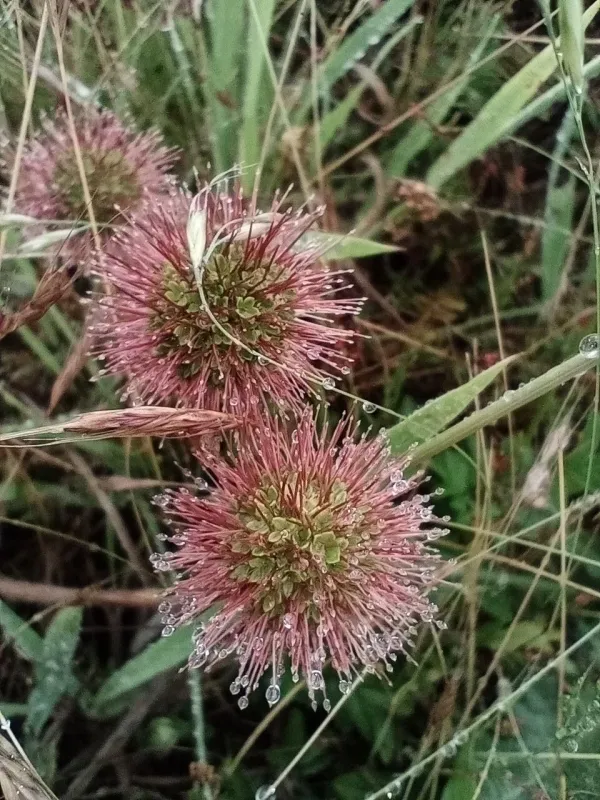
Description
Sowing dates
Sowing Acaena novae-zelandiae seeds is best performed in early spring within a controlled nursery environment. The seeds require cold stratification for approximately three to four weeks to break dormancy and ensure uniform germination across the tray.
After the cold period, move the containers to a warm, well-lit area maintained at 18 to 20 degrees Celsius. Keep the substrate consistently moist, as the seeds are sensitive to moisture fluctuations during the critical phase of emerging from the soil.
Transplant the seedlings into individual pots once they have developed their first set of true leaves. This ensures that the root system is sufficiently developed to support the plant when it is eventually moved into the garden beds later in the season.
Acclimatize the young plants to outdoor conditions by gradually increasing their exposure to sunlight and external temperatures before final planting. Final placement should occur after the danger of late spring frost has completely passed in your local climate.
Alternatively, vegetative propagation is the most common method for commercial cultivation and rapid landscape installation. By dividing established mats in early autumn, growers can produce high-quality, vigorous plants ready for immediate expansion.
Growing requirements
Acaena novae-zelandiae is a hardy evergreen perennial belonging to the Rosaceae family, native to the diverse ecosystems of New Zealand. It is highly valued for its creeping, mat-forming growth habit, which makes it an excellent choice for rock gardens.
The plant thrives in well-drained, sandy or loamy soils with a neutral to slightly acidic pH level. It is crucial to avoid heavy, clay-based soils that retain too much water, as this culture is highly susceptible to root decay under anaerobic conditions.
Choose an planting site with full sun or partial shade to ensure optimal foliage coloration and density. While it is relatively drought-tolerant once established, regular irrigation during the first growing season is necessary for root establishment.
In regions with harsh winters, providing a light mulch or conifer boughs can offer significant protection against frost heave and winter burn. The plants generally prefer a temperate climate where they can maintain their decorative appearance year-round.
Maintenance involves minimal fertilization, as excessive nitrogen application can lead to weak, elongated stems. A slow-release balanced fertilizer applied once in the spring is usually sufficient to support healthy growth and the production of unique seed heads.
Main diseases and pests
The primary concern for Acaena novae-zelandiae is the risk of fungal infections related to soil moisture management. Overwatering and poor ventilation are the leading causes of root rot, which can quickly spread through a dense plant mat.
Powdery mildew may occasionally appear during seasons with high humidity and stagnant air. Proper site selection and ensuring sufficient space between plants can significantly reduce the risk of this disease occurring in a home garden setting.
Slugs and snails are the most frequent pests, posing a significant risk to the tender leaves of the plant. Gardeners should monitor for these pests regularly, particularly in shady or damp locations where they tend to congregate during the nighttime.
Integrated pest management strategies, such as physical barriers or environmentally safe molluscicides, are recommended to control snail populations. Maintaining a tidy planting area by removing debris helps to eliminate potential habitats for these harmful creatures.
Regular inspection of the plant base for any signs of decay or yellowing is essential for early detection of issues. By practicing good cultural habits, such as proper spacing and water control, the longevity of the planting can be easily maximized.