
Enset
Ensete ventricosum (Welw.) Cheesman
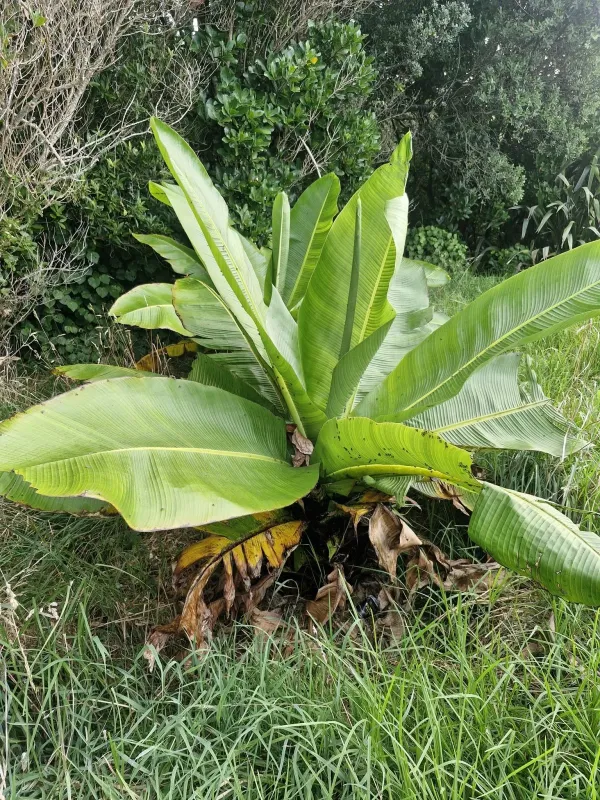
Description
Sowing dates
Enset is primarily propagated through vegetative means, using the corm of a mature plant to stimulate the development of multiple suckers for subsequent transplantation.
Seed propagation is possible but is a lengthy process that requires high humidity and constant warm temperatures between 25°C and 28°C for successful germination.
Field establishment involves preparing deep, well-drained pits enriched with organic compost, as the plant requires significant nutrient reserves to support its rapid biomass growth.
Young plants are often spaced widely to allow for the massive expansion of the pseudostem, which is the primary agricultural unit of the crop.
In regions with distinct dry seasons, irrigation during the first year is vital to ensure the plant establishes a robust root system before its most vigorous growth phase.
Growing requirements
Enset (Ensete ventricosum) is a giant herbaceous perennial belonging to the Musaceae family, native to the Ethiopian highlands, where it serves as a vital food staple.
The plant thrives in cool, moist climatic conditions at high altitudes, preferring temperatures between 15°C and 25°C and consistent rainfall throughout the year.
Soil requirements are strict; it prefers deep, fertile, volcanic, or loamy soils with excellent drainage, as the corm and pseudostem are prone to rot in waterlogged conditions.
Light levels should be sufficient to encourage photosynthesis, but protection from extreme wind is necessary to prevent the shredding of its large, succulent leaves.
It is a highly sustainable crop, as it is extremely drought-tolerant compared to other starch-producing crops and can remain in the field for years without degrading.
Yield
The agricultural value of Enset is found in the carbohydrate-rich core of its pseudostem and the subterranean corm, which can yield hundreds of kilograms of food per plant.
The starch obtained from the plant is processed into flour or fermented into a product known as kocho, providing a highly stable and nutritional food source.
Besides its food use, the plant provides high-quality natural fibers extracted from the leaf sheaths, which are used extensively for cordage and weaving.
Harvest maturity is determined by the size and age of the plant, typically occurring just before the flowering phase, when the starch content is at its peak.
The ability to harvest the plant at various stages of growth provides food security, allowing farmers to access calories whenever other seasonal crops might fail.
Main diseases and pests
Bacterial wilt, caused by the pathogen Xanthomonas campestris, is the most devastating disease, capable of wiping out entire plantations if not managed immediately.
Root-knot nematodes and other soil-borne pests can significantly weaken the root system, stunting growth and making the plant susceptible to secondary fungal infections.
The banana weevil is another common pest that bores into the pseudostem, creating tunnels that promote decay and provide entry points for dangerous pathogens.
Effective management requires strict phytosanitary practices, such as sterilizing tools after every cut and ensuring that only disease-free suckers are used for planting.
- Bacterial wilt (Xanthomonas)
- Root-knot nematodes
- Banana weevil
Harvesting
Harvesting is a labor-intensive manual process where the entire plant is severed at the base and the leaves are removed to access the fibrous pseudostem.
The pseudostem and corm are then shredded or scraped to separate the starch from the fibrous components, a traditional skill often passed down through generations.
The harvested starch mass is packed into underground pits lined with leaves, where it undergoes a natural fermentation process to improve flavor and shelf life.
The fibers remaining after the scraping process are cleaned and sun-dried, creating a durable material that is highly valued for its strength and versatility.
Farmers usually practice a rotation system where some plants are left to grow for longer periods, ensuring a continuous supply of food throughout the year.