
Prevention and Treatment of Liver Diseases
The liver belongs to the group of vital organs, without which biological processes are impossible. It is responsible for metabolic functions, neutralization and removal of toxins, participates in blood formation, and synthesizes bile.
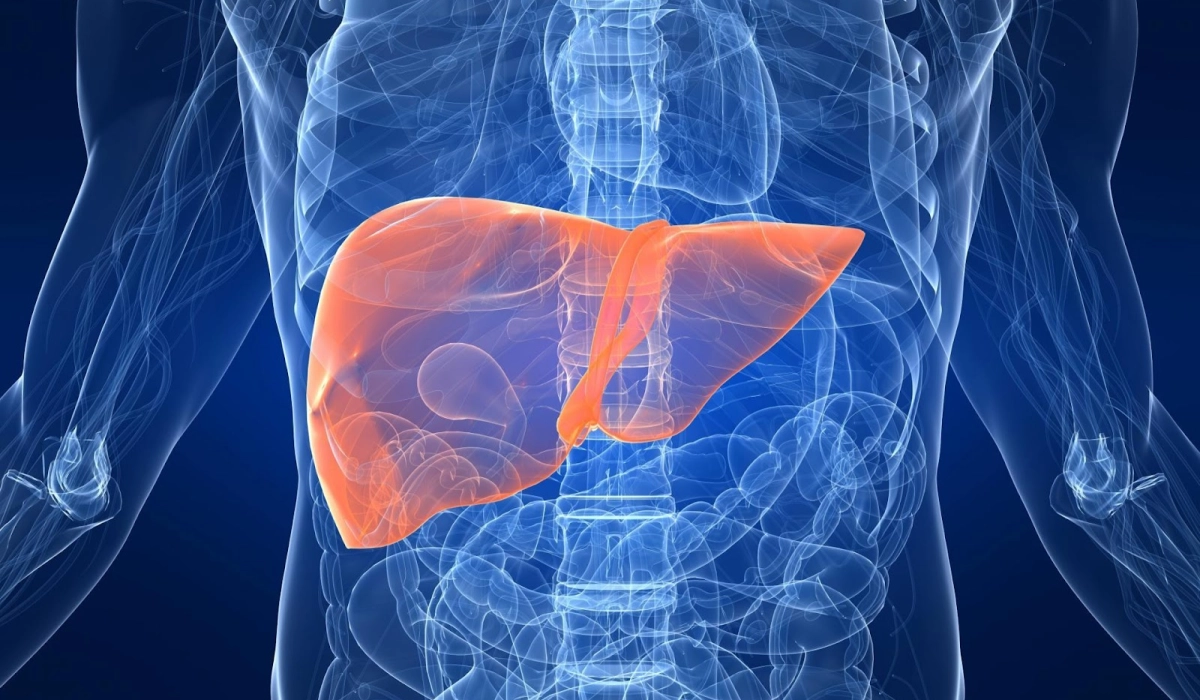
The liver belongs to the group of vital organs, without which biological processes are impossible. It is responsible for metabolic functions, neutralization and removal of toxins, participates in blood formation, and syntheses bile. In addition to multifunctionality, it exhibits the ability to remain in a painless state for an extended time. Most patients are unaware of the presence of pathology until evident signs appear.

The main tool for restoring functionality is medicinal products. For example, the drug gluthation in the treatment of liver diseases is effective with the manifestation of a diagnosis in both acute and chronic forms. The dose and duration of the course are determined by a doctor after a careful examination.
Causes
Liver tissues have a unique ability to self-heal. After the cessation of exposure to a mild irritant, the organ rehabilitates without outside help. If prophylaxis for liver diseases was carried out, the person does not notice the presence of a pathogen.
Provocateurs of pathologies include:
-
Hepatitis virus group. Contribute to the development of inflammatory processes in acute and chronic forms. The safest virus is considered to be group «A». Hepatitis «B» is dangerous due to its chronic course and detection already at the stage of cirrhosis, kown as hepatitis «C».
-
Intoxication. It is formed with a long-term and constant arrival of poisonous substances from the environment into the body. The same reaction occurs when exposed to high doses of toxin in one instance. Liver behavior is ambiguous. In some patients, it is characterized by gradual organ enlargement while maintaining its functionality. Some are diagnosed with a pronounced attack, accompanied by large-scale necrotic processes.
-
Medicinal products. The greatest aggression comes from chemotherapeutic, hormonal drugs and antibiotics.
-
Ethyl alcohol. Alcoholic beverages have a detrimental effect on lver cells. A safe daily dose is considered to be no more than 100 ml for men and 70 ml for women. Exceeding the dosage leads to tissue death.
-
Infections, parasites. The intensity of symptom expression depends on the type of pathogen.
-
Unhealthy diet. Harmful are fried, fatty, smoked products and dishes saturated with spices. Pathogenic substances disrupt bile outflow, forming a stagnation. The longer the irritant is in the liver, the higher the risk of developing diseases that are difficult to treat. The most common manifestation is stones.
-
Genetic predisposition. Congenital defects formed in the womb are considered innate.
-
Pathologies of abdominal organs proceeding in an acute form. They are accompanied by suppuration, which gets into the portal vein, ccausing thrombosis.
-
Trauma. Traumatic injuries experienced can manifest themselves after several years since their occurrence. Often cysts, fluid accumulation and other pathologies are detected during a general diagnosis of the traumatized organ. Pain sensations may be absent.
-
Radiation. Contributes to the formation of malignant neoplasms that develop into oncology.

Because of the difficulty in detecting diseases, prevention for the lver in the form of routine diagnostics is considered the most effective. Systematic examination allows you to track changes in dynamics at an early stage, even if the patient does not experience physical discomfort.
Symptoms
Liver diseases can be asymptomatic for a long time. When proceeding in chronic form, symptoms increase slowly and consistently. The sluggish course is dangerous by manifestation of obvious signs at the stage of cirrhosis or hepatic failure that are not amenable to treatment.
Pain syndrome manifests itself differently:
-
Minor discomfort. It is characterized by heaviness, distension in the right hypochondrium. This is due to the increase in the organ, stretching of the capsules. During diagnostics, a patient cannot name the exact location of pain.
-
Intense sharp pain. It occurs extremely rarely with inflammation, abcesses, traumas. Also present when stones block bile ducts.
-
Local pain with an accurate determination of the place. Encounters in congenital liver defects.
From the side of the skin integument dysfunction of the organ is manifested by:
- dryness;
- rashes;
- yellowing;
- pronounced itching.
Also in the abdominal area, stretch marks of a bluish tint can appear in places where the epidermis is thinned. It forms with hormonal dysbalance in both sexes due to the inability of the liver to neutralize high concentrations of steroids.
Treatment
The nature of therapeutic measures and prevention of liver diseases is determined by the results of diagnostic studies. The rehabilitation course includes a set of activities:
- Medicines. Specialized drugs are aimed at maintaining organ function at any stage of the disease.
- Diet. Harmful products that provoke attacks and alcohol (even a safe dose) are completely excluded from the diet.
- Surgical intervention. It is used if alternative treatments are ineffective. The most common operation is to remove stones blocking bile ducts.

If the disease has taken an irreversible course, posing a threat to life, transplantation is prescribed. This is a procedure for transplanting a healthy organ from a donor who matches medical indications. It is mainly approved for patients suffering from cirrhosis and hepatic failure. These are categories of incurable pathologies leading to fatal outcome.
Prevention
According to statistics, infection has a multifactorial nature. A patient can provoke the development of pathology themselves or become infected accidentally. For example, during a medical procedure. To maintain normal organ function, it is necessary to follow recommendations:
- Proper nutrition. Excluding or minimizing consumption of harmful products. It is necessary to completely abandon alcohol. Especially in cases where the disease has been confirmed.
- Refusal to visit places exposed to chemical or radiation contamination. The concentration of toxins increases the load on the liver, contributing to tissue destruction.
- Thorough examination of donor blood before transfusion. This excludes infection with hepatitis.
- Taking medications approved by a doctor. Drugs for the prevention of liver diseases have a narrow specialization. Changing the composition, dosage or active ingredient can give the opposite effect.
- Observance of personal hygiene rules. Reduces the risk of viral and infectious diseases.
- Exclusion of contact with carriers of hepatitis virus «A».
An additional measure is to carry out routine diagnostics. Monitoring the condition of internal organs allows us to identify deviations at an early stage of development.
Important! Exclude self-treatment. It is impossible to take measures that have not undergone clinical trials.