
Which peat is better for the garden: high-moor or lowland peat — secrets of a rich harvest and proper soil preparation
The use of peat substrates radically transforms depleted soil, making it loose and fertile. Let’s look at how many buckets of natural organic matter are needed per square meter of a garden bed in different seasons and how to avoid…
Introduction
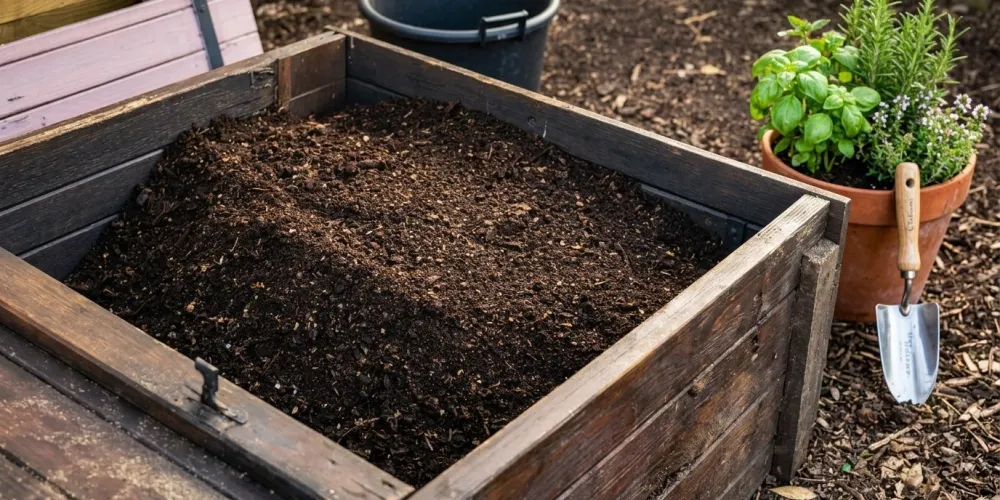
Every gardener dreams of getting a rich harvest, but without a fertile foundation, this is practically impossible. When there is a need to enrich the soil mixture on a plot, many growers think of peat. However, in stores, buyers are often confused by simple questions. Let’s figure out which peat is best suited for your vegetable garden.
Beginners regularly face the dilemma: high-moor or lowland peat? This natural additive can vary greatly in its characteristics. To understand the fundamental differences between these two types of peat, it is necessary to study their origin in detail. Peat is an important component that can help transform the soil around your garden.
In practice, high-moor peat and lowland peat solve specific tasks. One of them is black, while the other is lighter. It is important to understand their basic properties so that your plantings continue to please you with a healthy appearance for a long time. This resource is excellent for generally improving soil structure. The text contains proven tips that will help you make the right choice.
What is the difference between high-moor peat and lowland peat
To understand the differences, you need to look at how this plant-based product forms in nature. The main difference lies in the formation conditions and the degree of decomposition of organic substances.
Origin and formation
The mass that forms in bogs with minimal access to oxygen is high-moor peat. It forms where nourishment occurs mainly through atmospheric precipitation. It contains sphagnum mosses and needles. Thanks to them, the fibrous structure remains very distinct. This natural base decomposes extremely slowly, creating a dense layer.
In contrast, there is another option. It forms much closer to the groundwater level. In deep lowlands, water rich in trace elements accumulates. Here, particles of plant residues, woody species, sedges, and other bog grasses decompose. Over time, this peat turns into a material rich in humus.
Comparison of characteristics
Let’s compare high-moor and lowland peat by key parameters. This information is critically important for plants, because any clay-forming soil material requires its own approach.
- Structure and color: The first type has a light, reddish color. It has a clearly expressed porous structure when dry. The second type contains fine fractions, is very dark, and visually resembles ordinary soil.
- Acidity (pH): This is where the most important difference lies. The first type creates a distinctly acidic environment. Such high acidity can be harmful. The second type has a neutral reaction or creates slightly acidic conditions.
- Basic elements: The reddish substrate contains almost no ash. The second type, however, has an excellent supply of iron and nitrogen.
To summarize, reddish peat retains moisture very well but requires caution because of its pH level. Dark peat, on the other hand, serves as a reliable source of useful compounds.
Which plants is high-moor peat suitable for
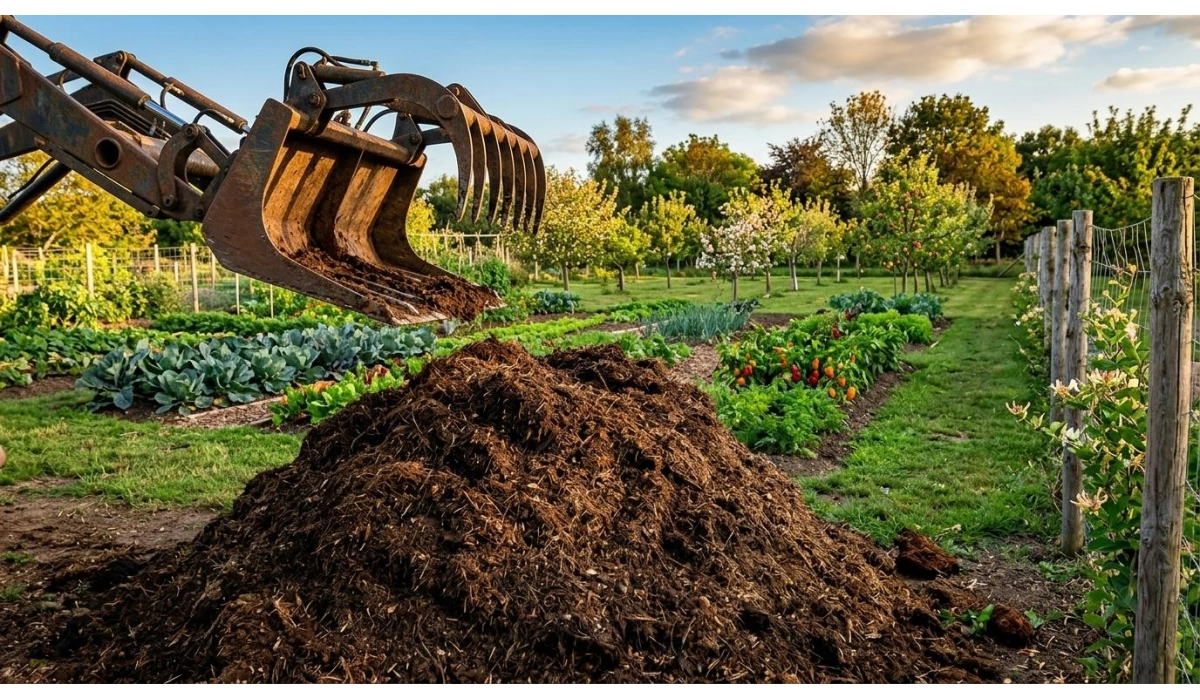
Although high-moor peat has a specific acidic nature, for some green plants it becomes a real lifesaver. It is important to understand that in its pure form, this peat is not a classic fertilizer because of its low nutrient content. However, it retains water excellently and creates ideal conditions for the development of a strong root system.
Lovers of acidic environments
There is a whole group of crops whose roots simply cannot properly absorb nutrients under ordinary conditions. They need a low pH level. This is where peat reveals its best qualities. Which plants like this type of soil?
- Berry shrubs: garden blueberry, cranberry, and lingonberry.
- Ornamental flowers: lush hydrangeas, elegant rhododendrons, and heathers.
- Coniferous trees: thuja, spruce, pine, and juniper, for which this peat serves as a natural environment.
Use in gardening and at home
When growing seedlings, high-moor peat often becomes the basic foundation. However, it is pre-deacidified so as not to harm delicate seedlings. Thanks to its light texture, it ensures unobstructed root growth. Indoor flowers also respond positively to its addition, as it makes the substrate more airy.
On poor and dry plots, especially sandy soils, high-moor peat is mixed with other soil so that moisture does not disappear too quickly. Lowland material, by contrast, has completely different properties. Although lowland peat is considered a richer source of nitrogen, it is the reddish substrate that is indispensable for the above-mentioned lovers of acidic soil.
Which beds are best suited for lowland peat
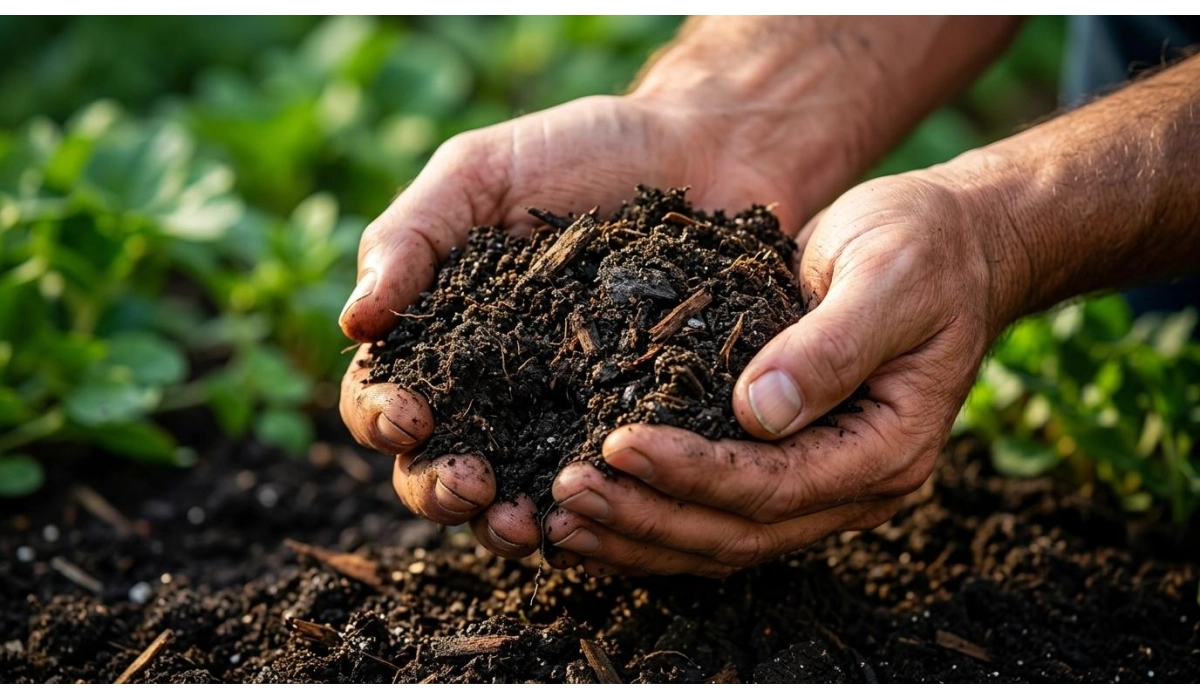
This substrate is radically different from its counterpart. If high-moor peat solves narrow tasks, then lowland peat is a universal helper for most vegetable garden plantings. Enriched with mineral elements, it significantly improves the mechanical characteristics of the soil. Incidentally, the minerals here are in an easily digestible form.
Experienced gardeners like to use this peat to form a fertile base in problem areas. If dark peat is applied correctly, heavy clay quickly becomes fluffy. It works excellently where expensive black soil is unavailable. Its use is justified when preparing greenhouses, as it prevents soil compaction. Unlike a material such as high-moor substrate, this peat is rich in valuable nitrogen.
A nutritious mixture is usually prepared. Coarse sand, mature compost, and well-rotted manure are added to it. Any gardening expert will confirm that spreading such a mass over the beds gives plantings a strong start. In addition, this peat can be used as a reliable cover for mulching. Such protection saves rhizomes in winter when there is still too little snow.
Today, many garden supply products offer this type of peat in different ways, often packaging it in convenient containers. If you order raw material in bags with delivery, you can save significantly by taking advantage of the obvious benefits of wholesale prices and choosing the ideal option for yourself.
How to properly prepare and deacidify peat before application
Many growers decide to buy this peat. However, using any type of peat requires knowledge. If you plan to use high-moor peat specifically as an additive, be sure to take its feature into account. This high-moor peat creates an acidic environment that is harmful to standard soil. In this case, to almost completely remove its aggressiveness, it is recommended to add dolomite flour.
Different proportions are selected depending on the volume of substrate being treated. The average rate is a couple of glasses per bucket. This can be done at any time before final application. Agronomists’ own experience proves that such a peat base is ideal for intensive growth during spring planting.
The difference between high-moor and lowland peat lies in preparation. Lowland peat is not deacidified, but it is aired. Because of its fibrous texture and poor ventilation, gases accumulate there. Spread the peat outdoors to allow air access so that soil microorganisms wake up.
If you decide to use the material as fertilizer, creating a pile is suitable. Take peat, add fallen leaves and other waste in small quantities. The fermentation process will repel pests.
Spreading the mass as a top layer on the surface without incorporating it into the soil is not allowed. Among all loose materials, this peat is too light, and the wind will scatter it. Any peat must be dug into the soil.
In what proportions should peat be added to the soil in spring and autumn
Proper peat application is the key to healthy and fertile soil. The main rule to remember is that the share of this organic component should not exceed 30–40% of the total volume of the upper arable layer. Peat does not completely replace soil; it acts as a powerful improver of its physical properties.
Seasonal rates and application rules
The amount of substrate and the method of incorporation directly depend on the season. In spring, the gardener’s tasks come down to preparing beds for quick planting, while in autumn they focus on deep soil restoration after harvesting.
- Spring application. At the beginning of the season, peat helps improve aeration, speed up soil warming, and prepare planting holes for seedlings. The recommended rate is 1–2 buckets (10–20 liters) per 1 square meter. The mass is evenly distributed over the surface and incorporated to a depth of 10–15 cm, approximately half a spade bayonet. When preparing individual planting holes, it is enough to add 1–2 handfuls of substrate as part of a nutritious soil mixture.
- Autumn application. Before winter, the material is used to increase fertility, loosen soil compacted over the summer, and protect roots from freezing. During this period, the dosage is increased to 2–3 buckets (20–30 liters) per 1 square meter. Peat is evenly applied during deep digging to a full spade bayonet. It can also be effectively used as mulch for winter plantings, spreading it over the beds in an even layer 5–7 cm thick.
Adjusting rates according to soil type
The average values indicated above should be slightly adjusted based on the initial condition of your soil:
- Heavy loams and clay: you can safely use maximum doses, up to 3–4 buckets per square meter. Peat will break up dense clods, make the soil looser, and provide oxygen access to the roots.
- Loose sandy plots: 1–2 buckets are enough. Here, the fibrous material is needed primarily as a sponge that will retain moisture and prevent nutrients from washing into the lower layers.
- Cultivated garden soil: to maintain an ideal balance, preventive application of 1 bucket per square meter once every 2–3 years is quite sufficient.
Practical tip: Remember that peat itself is not a rich source of complete nutrition. The best result in both spring and autumn comes from applying it as part of a complex mixture. Combine peat with humus, mature compost, or a small amount of ash, and you will get a truly fluffy and nutritious garden bed.
Conclusion
Peat is a valuable natural helper capable of transforming even the heaviest or most depleted soil, making it light, breathable, and moisture-retentive. The main secret of its successful use is that any peat works most effectively not as a complete replacement for soil, but as a powerful structuring additive combined with nutritious organic matter.
By understanding the difference between lowland and high-moor substrate, following simple preparation rules such as airing or deacidification, and observing seasonal application rates, you will create an ideal foundation for root system development. A competent and thoughtful approach to using peat will certainly pay off with strong plant health and a consistently rich harvest in your garden beds.
Editorial team agronom.info
Materials are prepared by the portal's agronomists and editors. We use only trusted sources: Ukrainian agricultural universities, variety registries, open scientific publications.
Related articles

Not yet comments. Be the first!
Comments · 0