
Micronutrients for Wheat: Targeted Nutrition to Enhance Protein Content, Grain Quality, and Stress Resistance
Micronutrients for wheat are not just an addition to macronutrient feeding, but a strategic tool for realizing the genetic potential of the variety, optimizing protein metabolism, and increasing crop profitability. In modern intensive agriculture, where each centner of grain has economic value, micronutrients play a critical role in forming high-quality yields.
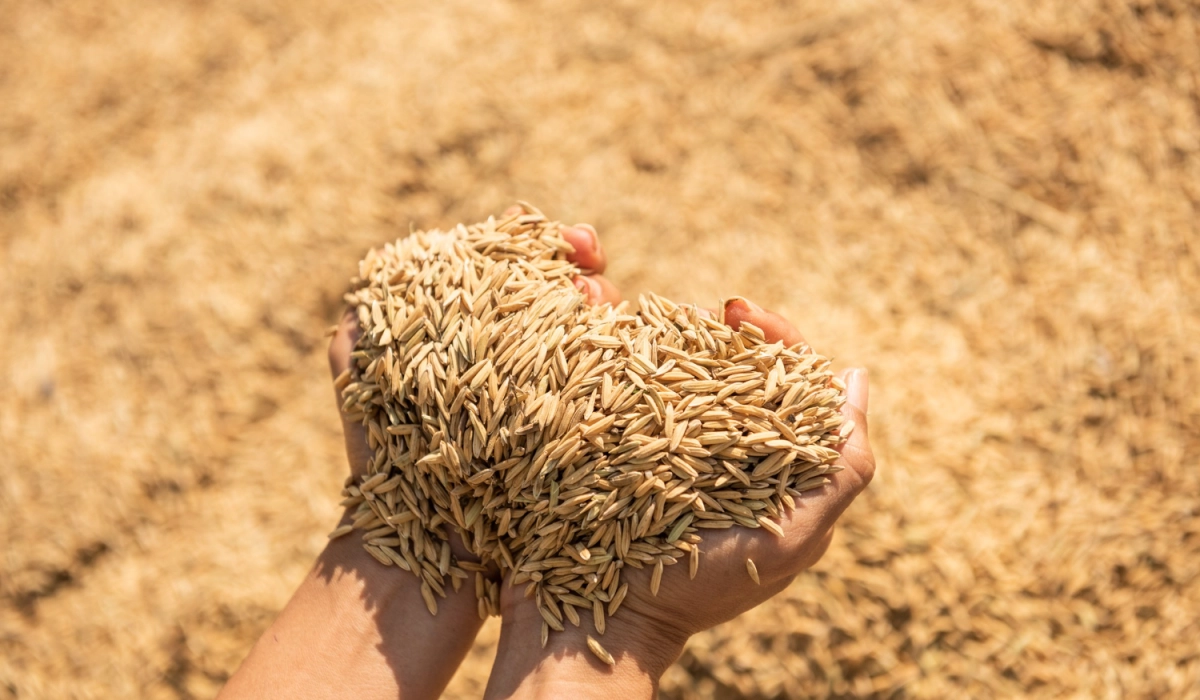
Micronutrients for wheat — this is not just an addition to macronutrient feeding, but a strategic tool for realizing the genetic potential of the variety, optimizing protein metabolism, and increasing crop profitability. In modern intensive agriculture, where each centner of grain has economic value, micronutrients play a critical role in forming high-quality yields. For experienced farmers, micronutrients — this is not «additional feeding», but targeted management of plant physiology during key development phases.
Functional role of micronutrients in wheat metabolism
- Zinc (Zn) — activates auxin synthesis, regulates internode growth, influences spike formation and protein accumulation;
- Manganese (Mn) — catalyzes photosynthesis, nitrogen metabolism, enhances cold- and heat-resistance, promotes sugar accumulation in leaves;
- Copper (Cu) — stabilizes cell walls, increases resistance to lodging, fungal diseases, and promotes protein synthesis;
- Boron (B) — critical for reproductive processes: flowering, pollination, grain formation. Regulates osmotic balance and chlorophyll synthesis;
- Molybdenum (Mo) — activates nitrogen-fixing enzymes, improves protein metabolism, especially important on acidic soils;
- Iron (Fe) — key element in respiration, chlorophyll synthesis, and enzymatic activity. Has fungicidal properties.
Application phases of micronutrients: agrophysiological logic
| Development phase | Objective | Recommended elements | Application form |
|---|---|---|---|
| Seedling stage | Root system formation, establishment of productive tillers | Mn, Zn, Cu | Post-root foliar application (0.5–1.0 L/ha) |
| Emergence – flag leaf stage | Enhanced photosynthesis, spike formation | Zn, Cu, Fe | Combined with fungicide application |
| Heading – grain filling | Protein formation, reproductive activity | B, Mo, Zn | Chelated forms, low concentration |
Advantages of micronutrients in wheat cultivation
- Increased yield — 5–15% increase with balanced application during critical phases;
- Improved grain quality — protein content, grain quality, gluten content, critical for food-grade wheat;
- Reduced stress — micronutrients activate antioxidant mechanisms, reduce impact of drought, temperature fluctuations, herbicide load;
- Optimized uptake of macronutrients — especially nitrogen and phosphorus, enhancing efficiency of primary feeding;
- Immunomodulatory effect — strengthening natural immunity against Fusarium, Septoria, and rust.
Technical aspects: formulation selection and compatibility
- Chelated complexes (EDTA, DTPA) — ensure high bioavailability, low phytotoxicity, stability in tank mixtures;
- Ammonium-carboxylate complexes — rapid penetration, electrostatic adhesion to leaf surface, effective under stress conditions;
- Compatibility with pesticides — most micronutrients can be combined with fungicides, insecticides, growth regulators;
- Application rates — 0.5–2.0 L/ha depending on concentration, development phase, and weather conditions.
Conclusion
Micronutrients for wheat — this is not «additional feeding», but a tool for agrophysiological management of productivity. They allow farmers not just to «feed» the crop, but to manage its metabolism, stress resistance, and product quality. For bulk purchases of balanced micronutrients tailored to cereal crop needs, contact Vitagro Partner — your reliable agrochemical supplier with expert approach.