
Next-Generation Systemic Fungicides: How Combination Formulations Work
Next-generation systemic fungicides are compounds capable of penetrating into the plant and effectively moving through its vascular system, protecting not only the surface of leaves and stems but also internal tissues from fungal infections.
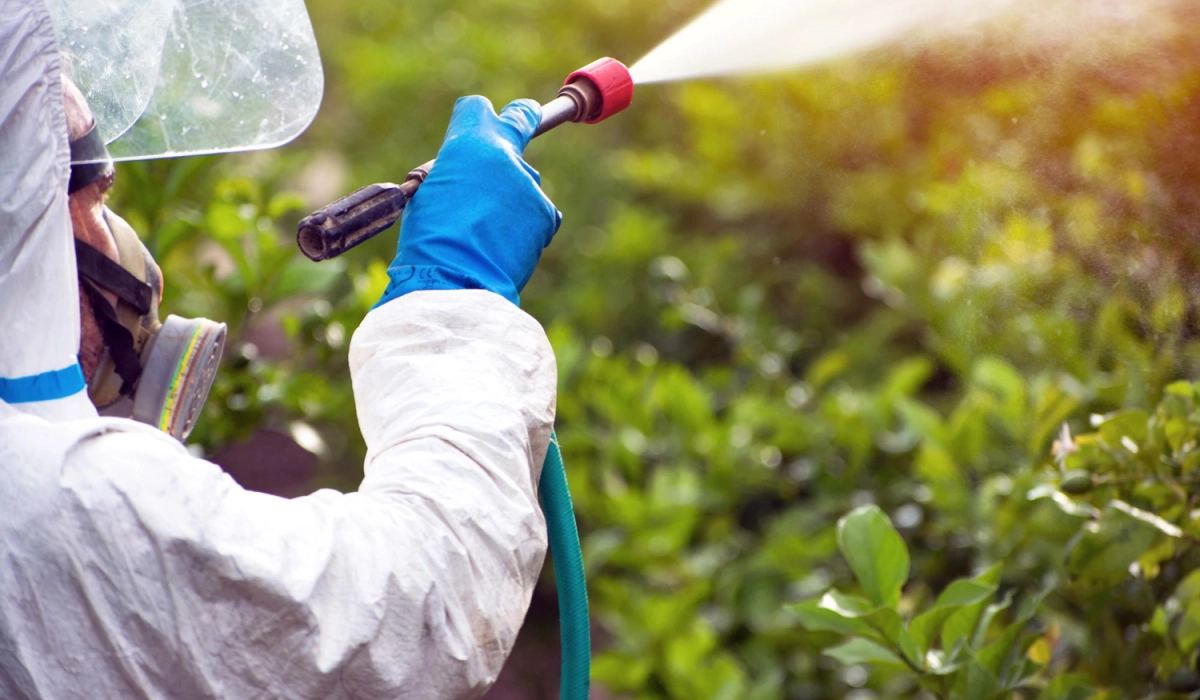
Next-generation systemic fungicides are compounds capable of penetrating into the plant and effectively moving through its vascular system, protecting not only the surface of leaves and stems but also internal tissues from fungal infections. One prominent example of such a product is the fungicide Soligor, distinguished by its combined composition and broad spectrum of activity.
Combined Composition: The Power of Multiple Active Ingredients in One Formulation
The effectiveness of combined systemic fungicides is ensured by carefully selected active ingredients, each playing a specific role:
-
Prothiocarb (53 g/l) — provides preventive and curative effects, blocking the development of pathogens in early stages.
-
Tebuconazole (148 g/l) — possesses strong systemic and eradicating action, effective against rust, powdery mildew, septoria, and other diseases.
-
Spiroxamine (224 g/l) — enhances the penetration and distribution of the product within plant tissues, increasing the efficacy of other components.
Thanks to their balanced composition, such products are maximally reliable in combating a wide range of diseases in cereal crops.
Mode of Action of Next-Generation Combination Fungicides
The action of combination products such as Soligor occurs in several sequential stages:
-
Penetration into Plant Tissues
After application, the fungicide is rapidly absorbed by leaves and stems, spreading internally through the vascular system. -
Suppression of Pathogen Development
Within the plant, active ingredients suppress the growth of fungal spores and block further infection development within the first day after application. -
Prolonged Plant Protection
Due to its systemic nature, the protective effect lasts up to 4 weeks after application, preventing reinfection.
Advantages of Using Soligor and Similar Combination Fungicides
Modern combination products offer several important advantages over older fungicides:
-
Comprehensive Action Against Diseases — simultaneously protect against several diseases of cereal crops (powdery mildew, rust, septoria, fusarium, etc.).
-
High Efficacy at Low Temperatures — effective even at temperatures from +12°C to +15°C, enabling applications during early vegetative stages.
-
Flexibility in Application — ability to vary dosage and timing of application depending on infection levels and current phytosanitary conditions.
-
Improved Economic Outcomes — contribute to maintaining crop yield and grain quality, minimizing losses caused by diseases.
Application Guidelines for Combination Fungicides on Cereal Crops
The effectiveness of next-generation fungicides depends on adherence to application protocols:
-
Winter and Spring Wheat:
-
0.4–0.6 L/ha — in the stage of late tillering to early stem extension (against powdery mildew, septoria, rust).
-
0.6–0.8 L/ha — in the stage of flag leaf emergence to early heading.
-
0.8 L/ha — in the flowering stage (against fusarium and black root rot).
-
-
Winter and Spring Barley:
-
0.4–0.6 L/ha — late tillering to early stem extension (against powdery mildew, net blotch, and rhynchosporium).
-
0.6–0.8 L/ha — flag leaf emergence to early heading.
-
-
Winter Rye:
-
0.6–0.8 L/ha during the growing season against rust and powdery mildew.
-
-
Oats:
-
0.6–0.8 L/ha in the stage of flag leaf emergence to early heading (against red-brown blotch).
-
The working solution volume is typically 200–300 L/ha, ensuring optimal coverage and penetration of active ingredients into the plant.
When Is It Justified to Choose a Combination Systemic Fungicide?
Use of such products is especially justified when:
-
In cases of high risk of epidemics and rapid disease spread.
-
In regions with variable weather conditions, where effective protection of plants is needed even at low temperatures.
-
When simultaneous control of multiple disease types is required within a single application cycle.
Thus, next-generation fungicides such as Soligor play an important role in protecting cereal crops, providing comprehensive prevention and rapid disease control, which in turn enhances the economic efficiency of agricultural production.