
Impact of Pesticides and Fertilizers on the Quality and Yield of Autumn Flowers.
Pesticides, used to protect plants from pests and diseases, can have a significant impact on the quality and yield of autumn flowers. On one hand, they help reduce crop losses and improve the appearance of flowers, but on the other hand, they may negatively affect the long-term health of plants and flower quality.
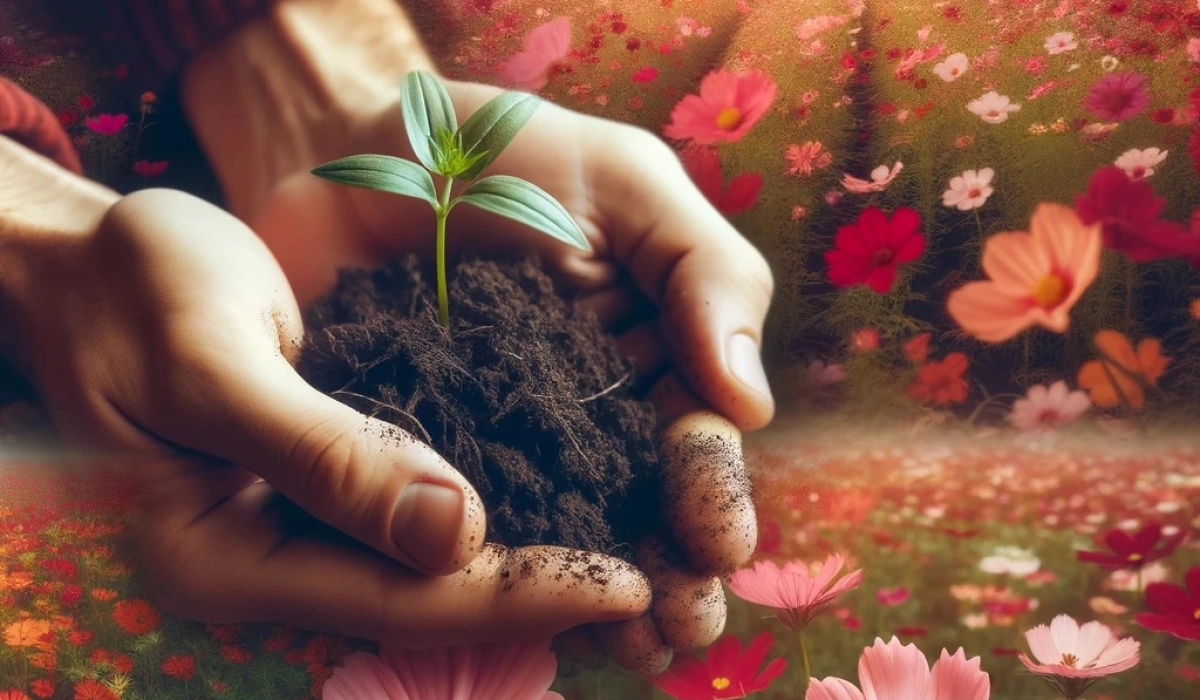
Pesticides, used to protect plants from pests and diseases, can have a significant impact on autumn flowers, their quality and yield. On one hand, they help reduce crop losses and improve the appearance of flowers, but on the other hand, they may negatively affect the long-term health of plants and flower quality.
Key facts about pesticides:
- They can protect plants from various pests.
- Application of pesticides at incorrect dosages may damage plants.
- Some pesticides may accumulate in soil, causing long-term problems.
Fertilizers and their impact on yield Fertilizers play a decisive role in providing plants with necessary nutrients. Proper application of fertilizers can significantly increase the yield of autumn flowers, improving the quality of petals, stems, and leaves.
Important aspects of fertilizer application:
- Selecting the right type of fertilizer for a specific flower species.
- Following recommended dosages and fertilization schedules.
- Considering soil pH when choosing fertilizers.
Balanced use of pesticides and fertilizers To achieve the best results in growing autumn flowers, it is important to know when and how to use pesticides and fertilizers. The right approach can ensure healthy plant growth and high yield, while avoiding potential negative impacts on the environment and human health.
Potential risks of overusing pesticides Although effective against pests, pesticides can lead to various problems if used incorrectly or in excessive amounts.
Risks of improper pesticide use:
- Reduced biological diversity in soil, which may affect plant quality.
- Risk of chemical accumulation in plants, which may affect human and animal health.
- Disruption of normal plant growth and development due to chemical stress.
Fertilizers: myths and reality Many people believe that the more fertilizer you use, the better the plant will grow. However, this is not always true.
Common mistakes in fertilizer use:
- Excessive fertilizer use can "burn" plants.
- Incorrect fertilizer selection may lead to deficiencies of certain minerals in plants.
- Irregular fertilizer application may lead to inconsistent growth.
Ecological responsibility in growing autumn flowers It is important to remember that growing flowers is not only about aesthetics and commercial gain. It is also about responsible attitude towards the environment.
Steps towards ecological responsibility:
- Choosing biodegradable pesticides.
- Using organic fertilizers instead of chemical ones.
- Regular monitoring of soil and water resources.
- By following these simple principles, you can not only improve the quality and yield of autumn flowers, but also care for the environment and ensure a sustainable future for future generations.
Integrated pest management: an alternative to traditional pesticide use Instead of traditional pesticide use, Integrated Pest Management (IPM) offers a more balanced approach. This method is based on a combination of various pest control methods.
Main components of IPM:
- Biological control, using natural predators of pests.
- Cultural methods, such as crop rotation or companion planting.
- Mechanical control, such as using traps or manual collection of pests.
Optimizing fertilizer use to improve flower quality Proper selection and application of fertilizers can significantly improve the quality and longevity of autumn flowers.
Strategies for optimizing fertilizer use:
- Applying microelements to enhance flower color and shape.
- Using slow-release fertilizers for prolonged plant nutrition.
- Considering soil pH when selecting fertilizers to ensure optimal nutrient uptake.
Supporting sustainable development through responsible cultivation Every agronomist or farmer has the opportunity to contribute to sustainable development by choosing cultivation methods less harmful to the environment.
Methods for sustainable cultivation:
- Water conservation: using drip irrigation systems and rainwater storage.
- Crop rotation: alternating crops to prevent soil depletion and control pests.
- Composting: recycling organic waste into useful soil fertilizer.
By using these methods, you can not only improve the quality and yield of autumn flowers, but also contribute to creating a healthy environment for future generations.