
Garden and vegetable garden as part of a lifestyle: what to consider when choosing a country in Europe
Regions with developed gardening, farming traditions, and proximity to natural areas usually create a different rhythm of everyday life. In such places, it is easier to find fresh vegetables, fruits, local products, seedlings, seeds, and everything that supports a lifestyle closer to the natural cycle of the seasons. For a person who values a green environment, such details become not secondary, but decisive.
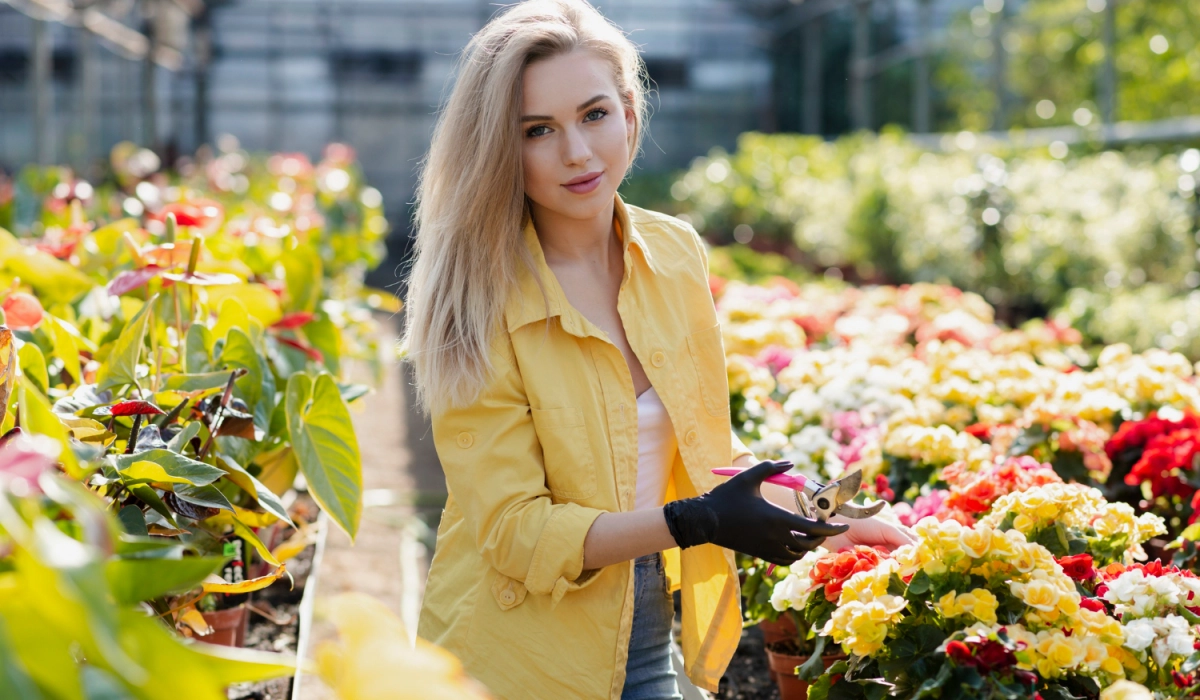
For people who are used to living in close contact with the land, the length of the warm season, the number of sunny days, humidity, and the mildness of winter are of great importance. When a family is considering moving abroad or living there for a long period, it is important not only to buy an apartment in Austria, but also to understand how well the local climate fits their usual rhythm of seasonal planting, plant care, and outdoor recreation. Even when choosing urban housing, many people pay attention to the proximity of green areas, cottage destinations, and regions with a strong gardening culture.
Access to green surroundings and suburban infrastructure
If a garden and vegetable plot are not just a hobby but part of everyday life, it is worth evaluating in advance how easy it is to reach the suburbs, farmers’ markets, plant nurseries, and local household supply stores. In many cases, people are interested not only in apartments in the Czech Republic, but also in the opportunity to live in a city with quick access to calmer and greener areas, where the connection with nature, seasonal products, and a measured pace of life is preserved. Such an environment is especially valuable for families who want to combine the convenience of city life with the habit of spending time among trees, gardens, and small plots of land.
Landscape, soils, and natural surroundings
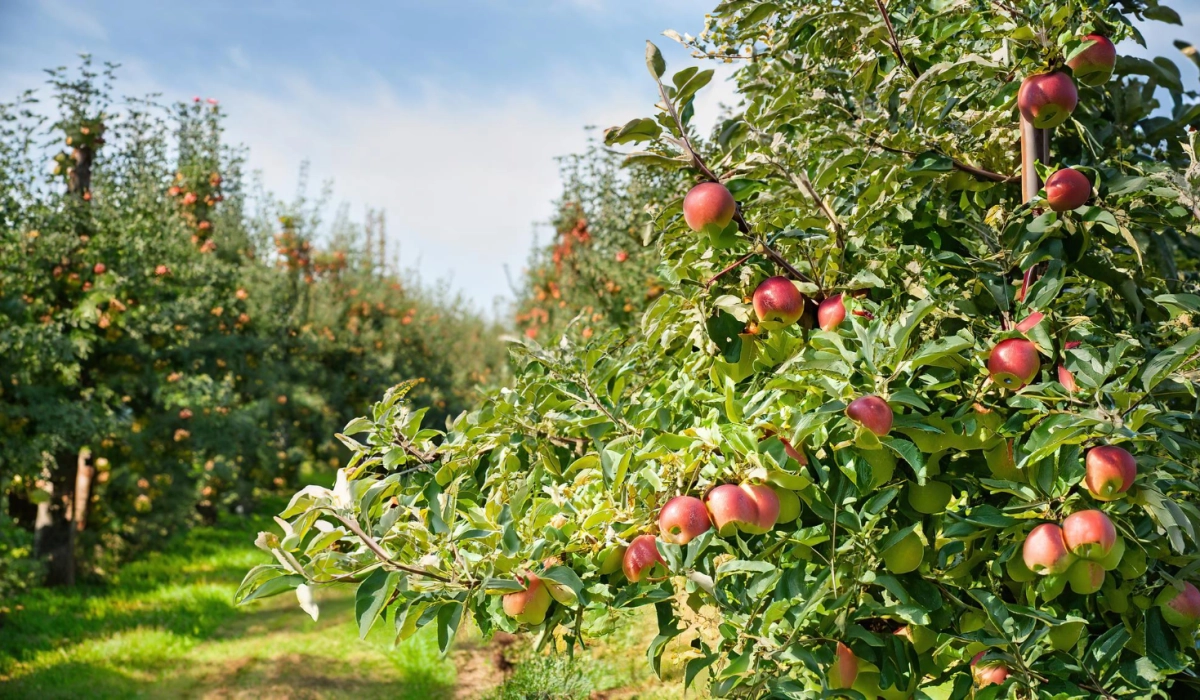
The choice of country is often connected not only with prices and infrastructure, but also with the characteristics of the area itself. Some people prefer flat regions with a mild climate and a long warm season, while others are drawn to hilly areas, wine-growing territories, and places with a strong culture of private land use. Therefore, before deciding to buy an apartment in Hungary, it is worth looking more broadly and considering what natural conditions will surround you in everyday life, how close green spaces, private gardens, fresh produce markets, and areas where an agricultural lifestyle remains part of local culture are located.
What is especially important to assess in advance
- the climate of the region and the length of the warm season
- the availability of parks, suburbs, gardening areas, and cottage destinations
- the presence of farmers’ markets and local products
- the overall level of ecology and air quality
- the convenience of traveling to rural areas and small towns
- local traditions connected with gardens, land, and a natural way of life
Urban comfort and the habit of living closer to the land
For many people, choosing housing today is no longer limited to floor area, floor level, and district alone. More and more attention is paid to whether it is possible to preserve a familiar lifestyle that includes fresh air, greenery, seasonal products, and a calm pace. Even when it comes to an apartment, people want to understand whether there will be an environment nearby that supports an interest in gardening, vegetable growing, and life outside constant urban bustle. That is why some look at capital cities, while others choose smaller towns where the connection with nature feels stronger.
Why an agricultural environment affects quality of life
Regions with developed gardening, farming traditions, and proximity to natural areas usually create a different rhythm of everyday life. In such places, it is easier to find fresh vegetables, fruits, local products, seedlings, seeds, and everything that supports a lifestyle closer to the natural cycle of the seasons. For a person who values a green environment, such details become not secondary, but decisive. In this sense, both the country and the specific region should match not only the formal housing parameters, but also a way of life in which a garden and vegetable plot remain an important part of daily comfort.
How the approach to choosing a country changes
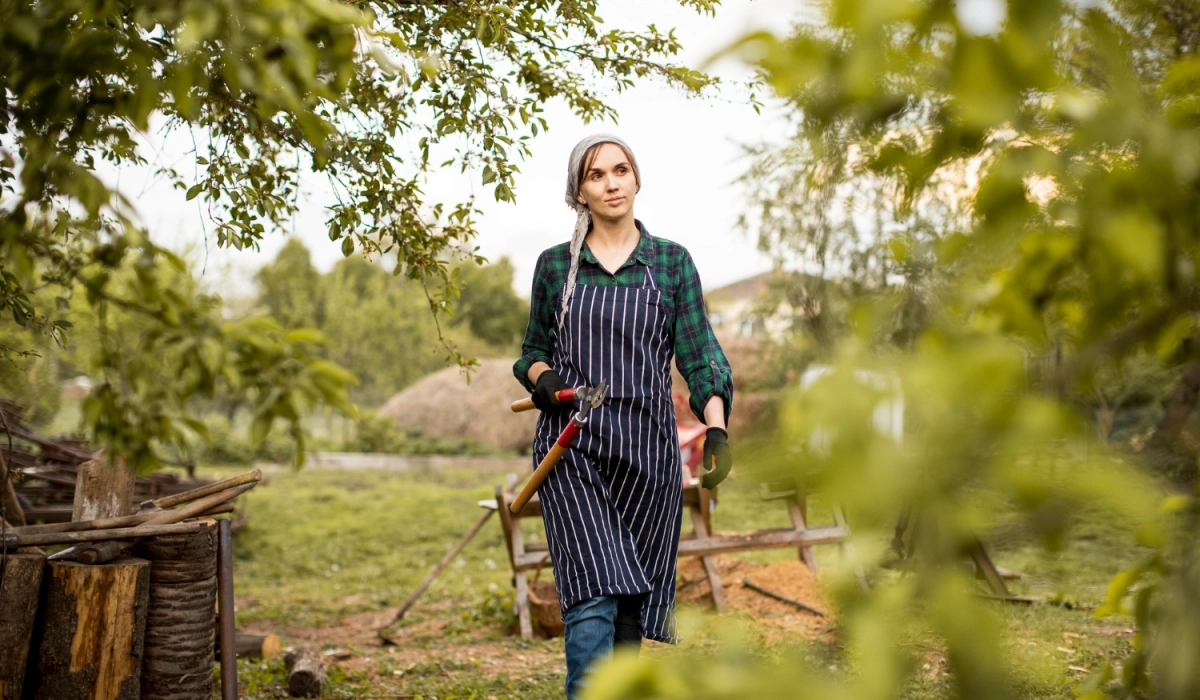
When a person looks at Europe through the eyes of a gardener, a cottage owner, or someone who values a natural lifestyle, the criteria for evaluation also change. What matters is not only the price of the property and transport connections, but also daylight hours, microclimate, the character of the landscape, the greenery of the area, access to markets, and the overall feeling of living among nature. This approach helps to choose not just a country to live in, but a space where the habit of gardening, vegetable growing, and a calm rhythm of life will feel natural and organic.
The role of small towns and suburbs
Capital cities and large business centers are not always the best solution for those who value a garden, a vegetable plot, and a measured rhythm of life. Small towns and suburbs often offer a calmer atmosphere, better ecology, access to local markets, and a stronger connection to the seasonal life of the region. In such places, it is easier to maintain habits related to buying fresh vegetables, caring for plants, traveling into nature, and an interest in a natural lifestyle. For many families, this becomes an important argument when comparing different destinations in Europe.
Everyday life and connection with nature
Even when choosing an apartment, lifestyle is largely shaped not by the housing format itself, but by what is around it. If there are green neighborhoods, well-kept parks, markets, garden centers, and convenient routes to the suburbs nearby, everyday life feels completely different. For people who are close to agricultural themes, it is important not to feel cut off from the land, but to remain connected to it through seasonal purchases, houseplants, trips out of town, and an interest in local products. It is this environment that creates a sense of comfort that cannot be measured by square meters alone.
What to look at when comparing countries
When choosing a country, it is useful to compare not only the cost of living, but also how naturally a green lifestyle fits there. In some regions, building density is higher and the urban rhythm is stronger, while in others it is easier to find a balance between infrastructure and natural surroundings. For some, mountain and forest areas are important, while for others, flat lands, gardens, wine-growing zones, and farmers’ markets matter more. The more accurately a person understands their everyday habits, the easier it is to choose an environment that will support rather than push aside their usual interest in gardens and vegetable growing.
Why it is important to consider local culture
The attitude of local residents toward land, seasonal products, and private householding strongly influences the everyday atmosphere. In places where weekend markets, family farms, and traditions of growing fruit, vegetables, and greens are well developed, it is easier for a person to adapt if such a lifestyle is close to them. In such regions, the idea of living closer to nature does not seem unusual, but becomes part of the common environment. This is important not only from a practical point of view, but also from an emotional one, because the familiar rhythm is supported by the surroundings rather than requiring constant effort.
Comfort for the family and long-term plans
When a garden and vegetable plot are seen as part of a lifestyle, choosing a country becomes a more strategic decision. A family looks not only at current conditions, but also at how comfortable it will be to live in that place several years later. Ecology, the calmness of the area, access to green spaces, the quality of local products, and an overall sense of stability all matter. For some, it is important to spend more time outdoors, while for others it means having markets, nurseries, rural fairs, and routes for short trips to natural areas nearby. All of this directly affects quality of life and the feeling of home.
A practical view of choosing a location
The best way to evaluate a country and a specific region is through simple everyday questions. How convenient will it be to buy fresh vegetables and fruit? Are there green areas nearby? How often can you get out into nature? Is it easy to find local goods for the home and garden? Is seasonality felt in everyday life? This approach helps to see not only the tourist appeal of a place, but also its real suitability for a person who wants to live in a more natural, calm, and green rhythm.
Why the theme of a garden and vegetable plot goes beyond the land itself
A garden and vegetable plot are not only about land, beds, and harvests. In many cases, they are about an attitude toward life, the pace of everyday living, food, ecology, and personal comfort. That is why, when choosing a country in Europe, it is worth looking more broadly and considering not only the characteristics of the property, but also the overall environment that will surround a person every day. If there is nature, local products, green routes, calm neighborhoods, and a sense of closeness to the natural cycle of the seasons nearby, then even an urban housing format can combine well with a familiar agricultural way of life.