
Innovative methods of plastic processing in the agricultural sector
Agriculture is one of the largest consumers of polymer materials. Films for mulching, greenhouses, ensiling; disposable container; drip systems; agricultural fiber is plastic.
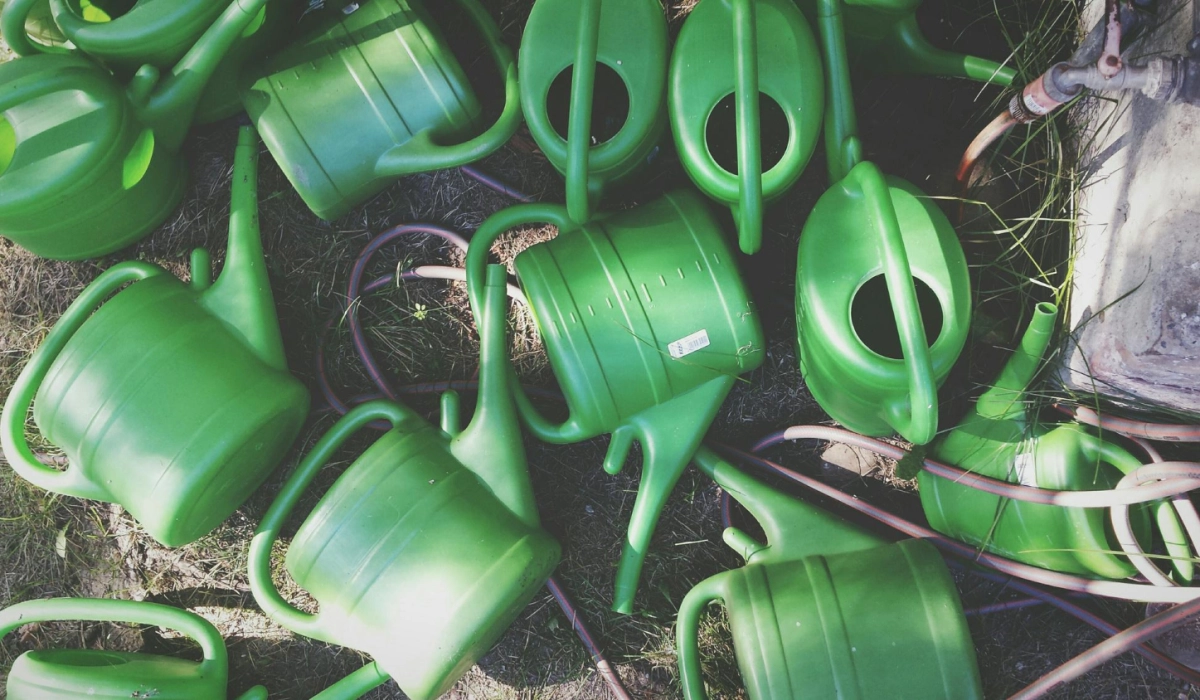
Agriculture is one of the largest consumers of polymer materials. Films for mulching, greenhouses, ensiling; disposable container; drip systems; agricultural fiber is plastic. But the growth of use is not accompanied by a sufficient level of recycling. After use, most agricultural films end up in landfills or are burned, which not only harms the environment, but also creates logistical and financial difficulties for farmers. We recommend the article "What is plastic made of" for a better understanding of the problem.
However, in recent years, new solutions have appeared that make it possible not only to dispose of agroplastic, but to turn it into a resource for the agricultural sector itself.
What are the options?
As the plastic specialists at PKF-Elektroplast told, among the main initiatives:
- Mechanical processing of agricultural film involves preliminary fractionation, washing and grinding of plastic, mainly polyethylene. New washing lines with a centrifugal cleaning system allow to reduce the loss of raw materials and improve the quality of granulate. If earlier only 5-10% of agricultural film was processed, now in Poland, the Netherlands and in some regions of Ukraine it is possible to process up to 70%. The key factor is local logistics and farmer cooperation for centralized collection. The cost of recycled material is lower than that of primary material, but logistics and washing costs remain significant.
- Pyrolysis is a high-temperature decomposition of polymers without air access. It does not require careful sorting and is suitable even for dirty or mixed plastics. The result is liquid fuel and heat that can be used on the farm. In the EU, it is actively used as a source of local energy for dryers, boiler houses, greenhouses.
- Production of agricultural plates from secondary polyethylene or polypropylene is already practiced in the west of Ukraine. Recycled plastic after agrofilm is used to make 1×2 m slabs, which are used as floors in cowsheds, decking in greenhouses, and coverings for storage areas. Such products do not absorb moisture, do not rot and withstand mechanical loads. The cost is three times lower than that of wood or concrete, and the service life is 5-10 years without loss of properties. This is an economically beneficial solution for small and medium-sized farming.
- Biodegradable agrofilms based on PLA or modified starch decompose in the soil without the need for collection. They reduce the volume of waste and are especially valuable for organic farms.
In practice, processing of agroplastics in Ukraine still remains spot and economically unprofitable for most farmers. There is no centralized collection of agrofilm, and logistics to processors often cover potential profit. These initiatives prove technical feasibility, but scaling up requires systemic support. Pyrolysis plants mostly remain at the experimental stage due to high equipment costs and low purchasing power of the agricultural sector. Biofilms are hardly used: their price is 2-3 times higher than conventional ones, and real biodegradation depends on the type of soil and climate.
Conclusion: technically there is a solution, but in order to move from experiments to a real economy, either a state program of collecting and subsidizing recycling, or strict regulation, as in the EU countries, is needed.