
Feed Extruder Granulator: Functionality, Advantages, and Limitations
Over the past few decades, animal feed production technologies have significantly evolved. Modern processing and manufacturing methods provide high-quality products with an optimal balance of nutrients. Among these technologies, the feed extruder granulator occupies a special place.
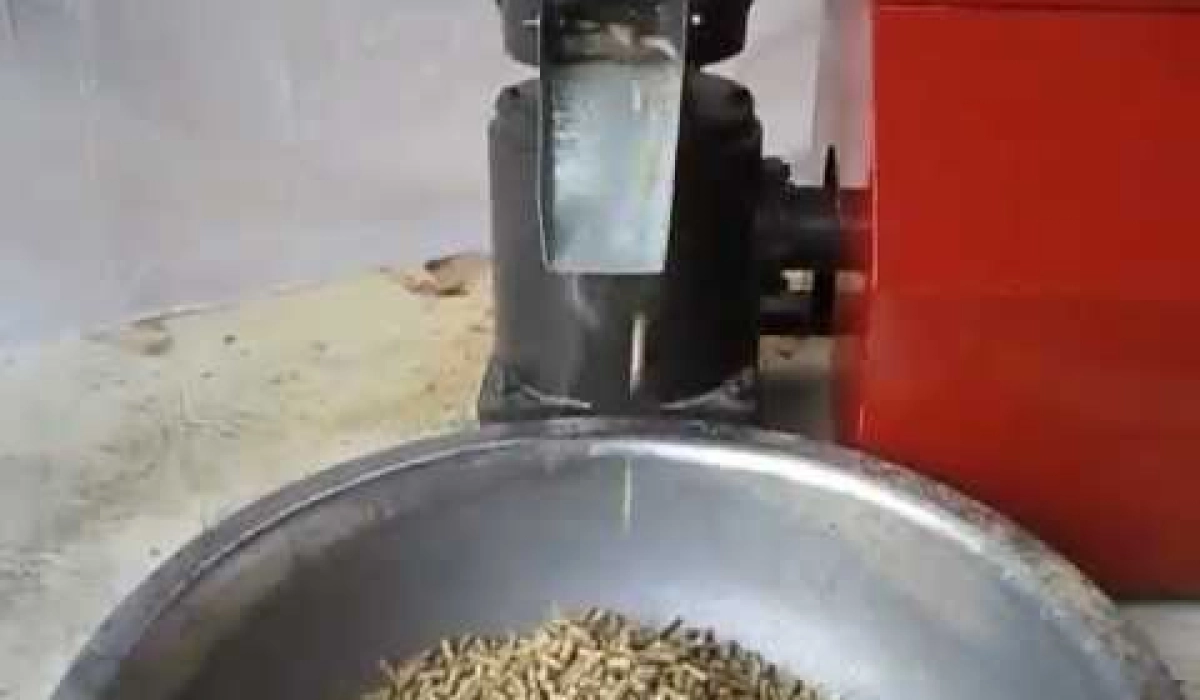
Over the past few decades, animal feed production technologies have significantly evolved. Modern processing and manufacturing methods provide high-quality products with an optimal balance of nutrients. Among these technologies feed extruder granulator occupies a special place.
Main Functions of the Feed Extruder Granulator
The feed extruder granulator is used in the agricultural sector to produce animal feed in pellet form. It processes various types of raw materials, such as grains, soybeans, meat, and fish by-products. Here are the main functions of this device:
-
Extrusion: This process involves feeding raw material into the granulator under high pressure and temperature, causing it to expand and transform into pellets.
-
Pelletizing: The extruded material is then processed in the granulator, which shapes it into uniform pellets of a specific size.
-
Drying and Cooling: After pelletizing, the product undergoes drying and cooling to remove excess moisture and extend shelf life.
-
Packaging: Finally, the finished pellets are packaged and ready for shipment to farms.
Pros and Cons of the Feed Extruder Granulator
Like any equipment, the feed extruder granulator has its advantages and disadvantages that must be considered when choosing it.
Advantages
-
High Efficiency: Extruder granulators can process large quantities of raw material in a short time, making them efficient for large-scale feed production.
-
Improved Nutritional Value: The extrusion process enhances the digestibility of nutrients in feed, leading to improved animal health and performance.
-
Wide Range of Raw Materials: Extruders can process various types of raw materials, providing greater flexibility in selecting feed ingredients.
Disadvantages
-
High Equipment Costs: Extruder granulators can be expensive to purchase and install, especially for small and medium-sized enterprises.
-
Requires Regular Maintenance: To ensure efficient operation and longevity, the feed extruder granulator requires regular maintenance.
-
Need for Skilled Operators: Operating and adjusting the feed extruder granulator requires specific skills and knowledge.
In conclusion, the feed extruder granulator is a powerful tool for producing high-quality animal feed. Despite some drawbacks, its advantages—such as enhanced nutrient digestibility and the ability to process various types of raw materials—make it an indispensable tool in modern feed production.