
Advantages and Disadvantages of Different Materials for Hydraulic Fittings
Choosing the material for fittings is a crucial aspect for ensuring the reliability and longevity of hydraulic systems.
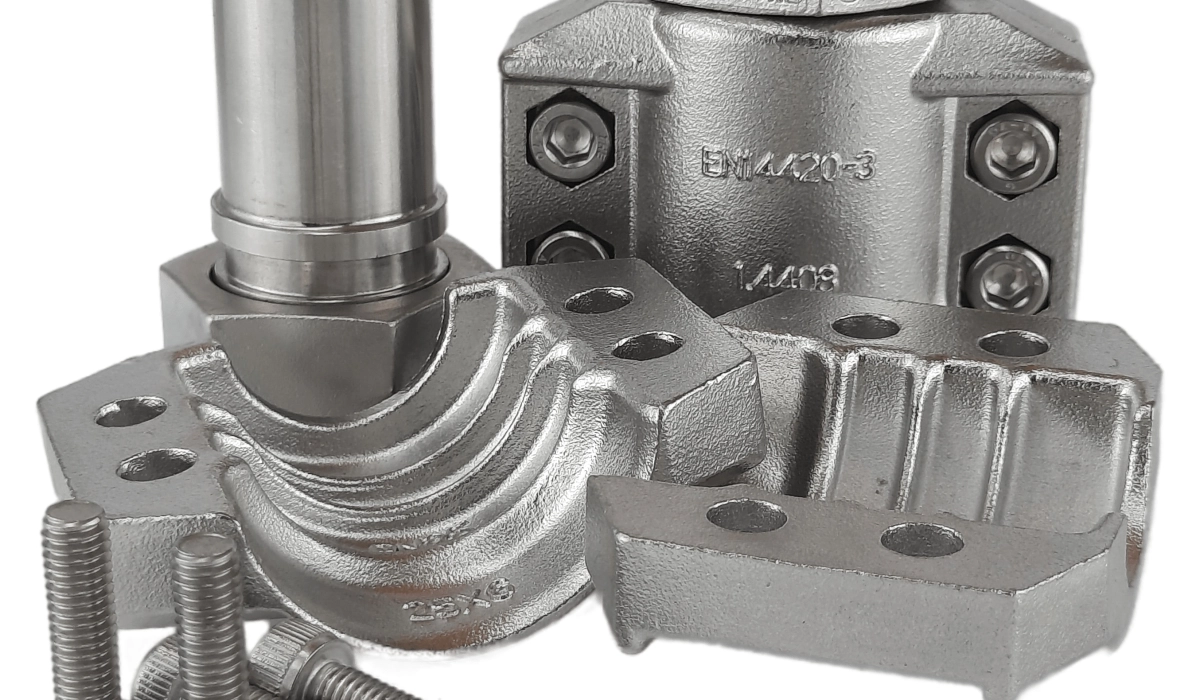
Choosing materials for fittings is a crucial aspect for ensuring the reliability and longevity of hydraulic systems. One popular option is Sombi-Lock fittings, which are made from AISI 316 stainless steel. This material provides high corrosion resistance, which is especially important when working in aggressive chemical environments. Additionally, stainless steel can withstand a wide temperature range up to 300°C, making it universally suitable for various industrial applications. However, a disadvantage of such fittings is their high cost compared to other materials.
An important material for fittings and connections is brass. Brass fittings used in Guillemin connections are known for their good corrosion and wear resistance. Brass can operate at temperatures up to 100°C, making it suitable for many industrial applications. Among the advantages of brass fittings is their affordable price. However, brass has lower strength compared to stainless steel and may deform under high mechanical loads.
Advantages of Stainless Steel
- High corrosion resistance
- Wide operating temperature range
- Longevity and strength
Disadvantages of Stainless Steel
- High cost
- Difficult processing and installation
Advantages of Brass
- Affordable price
- Corrosion resistance
- Easy processing and installation
Disadvantages of Brass
- Lower strength
- Limited temperature range
Aside from stainless steel and brass, other materials are also used to manufacture fittings:
- Aluminum: Lightweight and corrosion-resistant, but less strong.
- Plastic: Used in low-temperature and low-pressure systems. Has high chemical resistance, but low strength.
- Cast Iron: High strength and resistance to high temperatures, but prone to corrosion without proper coating.
Considering Alloy Connections
Considering alloy connections depends on several factors:
- Operating Conditions: Aggressiveness of the environment, temperature range, mechanical loads.
- Budget: Cost of the material and installation.
- Service Life: Expected longevity and frequency of maintenance.
Each material has unique properties, making it more suitable for specific operating conditions. It is important to consider all aspects to ensure reliable and efficient operation of the hydraulic system.
Considering Alloys Based on Tasks
When considering fittings for hydraulic systems, it is also important to pay attention to the properties of other materials that may be useful in certain situations.
- Aluminum Fittings have advantages such as lightness and corrosion resistance, making them ideal for applications where weight needs to be minimized. For example, in the aviation industry or mobile hydraulic systems. However, aluminum is less strong compared to stainless steel and may deform under high loads.
- Plastic Fittings are typically used in systems with low temperatures and low pressure. They have high chemical resistance and are an excellent choice for working with aggressive fluids. A disadvantage of plastic fittings is their low strength and potential for expansion under pressure, limiting their use in high-pressure systems.
- Cast Iron Fittings are distinguished by high strength and ability to withstand high temperatures, making them ideal for use in harsh conditions such as mining or metallurgical industries. However, cast iron is prone to corrosion, so it requires additional protection with special coatings.
Main Criteria for Choosing Alloy Connections
When choosing a material for fittings, the following main criteria should be considered:
- Corrosion Resistance: The more aggressive the environment, the more corrosion-resistant material is needed.
- Temperature Resistance: High temperatures require materials that do not lose their properties when heated.
- Mechanical Strength: For systems subjected to high mechanical loads, materials with high strength are required.
- Chemical Resistance: In systems operating with aggressive fluids, materials that do not degrade under their influence are required.
- Cost: Balance between budget and required technical characteristics.
Comparison of Alloy Connections
| Material | Advantages | Disadvantages |
|---|---|---|
| Stainless Steel | High corrosion resistance, longevity, wide temperature range | High cost |
| Brass | Affordable price, corrosion resistance | Lower strength, limited temperature range |
| Aluminum | Lightweight, corrosion resistance | Lower strength |
| Plastic | High chemical resistance | Low strength, limited application |
| Cast Iron | High strength, resistance to high temperatures | Prone to corrosion, need for coating |
Choosing connections for hydraulic system fittings is an important decision that affects the reliability and efficiency of the entire system. Sombi-Lock, Guillemin, and other types of fittings have their unique advantages and disadvantages, which should be considered when choosing. The correct approach to material selection ensures safe and long-term operation of the hydraulic system, according to its specific requirements and operating conditions.
Applications of Fittings in Different Industries
Different industries have unique requirements for fittings, determining the choice of materials for specific applications.
- Aerospace Industry: In this industry, aluminum fittings are preferred due to their lightness, which helps reduce the overall weight of aircraft. At the same time, high corrosion resistance ensures longevity under complex operating conditions.
- Chemical Industry: For working with aggressive fluids, plastic and stainless steel fittings are often used. Plastic fittings are ideal for low-temperature systems, while stainless steel withstands high temperatures and does not corrode, ensuring safety and reliability.
- Oil and Gas Industry: In this sector, AISI 316 stainless steel fittings are used, as they are resistant to corrosion from oil and gas, and can operate under high pressures and temperatures.
- Construction: In the construction industry, brass fittings are often used due to their affordable price and sufficient corrosion resistance. They are suitable for heating, water supply, and air conditioning systems.
- Mining Industry: Here, cast iron fittings are preferred due to their high strength and ability to withstand high mechanical loads and temperatures. However, to protect against corrosion, they require additional coatings.
Maintenance and Care of Fittings
Proper maintenance and care of fittings are crucial for ensuring their longevity and reliability.
- Regular Inspection: Checking fittings for signs of wear, corrosion, or other damage helps identify potential problems in a timely manner and avoid unexpected failures.
- Cleaning: Fittings should be regularly cleaned from contaminants and deposits that can affect their operation. This is especially important for fittings operating in aggressive environments.
- Gasket Replacement: Gaskets may wear out over time, leading to leaks. Regular gasket replacement helps maintain the integrity of connections.
- Use of Proper Tools: When installing or removing fittings, it is important to use specialized tools that do not damage the material.
Advice on Choosing Fittings
- Determine Operating Conditions: Understand what environments, temperatures, and pressures your system will withstand.
- Assess Cost: Consider the project budget and choose a material that provides the best price-to-quality ratio.
- Check Compatibility: Ensure that the chosen fittings are compatible with other components of your system.
- Consult Experts: If you are unsure about your choice, consult professionals who can provide expert advice.
Future Development of Fittings
Advancements in technology and materials science open new prospects for improving fittings. Current research is focused on developing new alloys and composite materials that combine lightness, strength, and corrosion resistance. Such materials can significantly improve the efficiency and longevity of hydraulic systems.
Additionally, automation of production and quality control processes allows achieving high precision in fitting manufacturing, ensuring reliable operation in the most demanding conditions. Implementation of new safety standards and requirements also contributes to improving product quality and reliability.
Thus, the correct choice of fitting material is an important step to ensure the reliability, efficiency, and longevity of hydraulic systems. Understanding the properties of different materials and considering operating conditions will help make the optimal choice that meets all technical and economic requirements.