
How to Choose a Drip Irrigation System for Your Plot
Choosing the right system, such as drip irrigation for your plot, requires careful attention to details and understanding of your plants' needs. A drip irrigation system is an effective watering method that delivers water directly to plant roots, minimizing water loss and increasing yield.
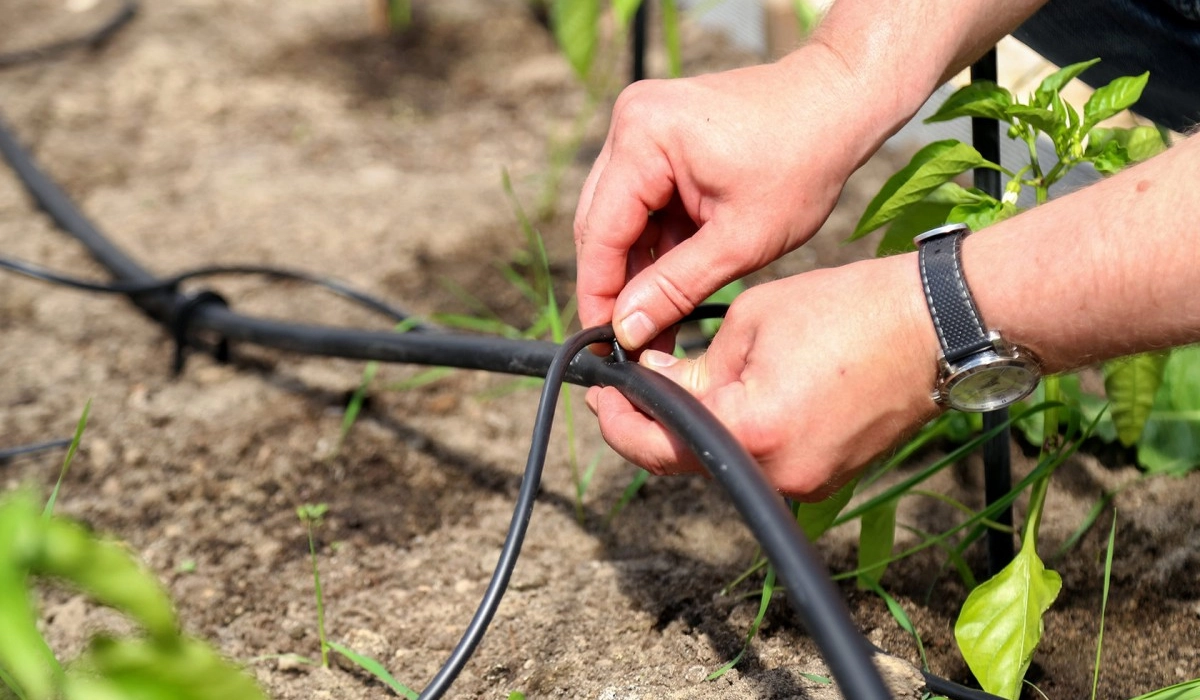
Choosing the right system, such as drip irrigation for your plot requires careful attention to details and understanding of your plants' needs. A drip irrigation system is an effective watering method that delivers water directly to plant roots, minimizing water loss and increasing yield.
Key Selection Aspects
Defining the Plot's Needs
- Plot Size and Type: It is important to assess the total area and type of soil, as this affects the choice of pump power and drip tape type.
- Types of Cultures Grown: Different crops require different amounts of water. Consider what plants you plan to irrigate to choose the most suitable system.
Selecting System Components
Drip Tape: This element is key to drip irrigation. The quality of the drip tape directly affects the uniformity of irrigation and the longevity of the entire system. When choosing, consider the tape length, diameter, and spacing between emitters based on the types of plants on your plot.
Pump: The pump power must match your irrigation needs. For larger plots, a more powerful pump is required, capable of maintaining stable pressure in the system.
Filters: To prevent clogging of emitters, choose high-quality filters suitable for your water type.
Considering Automation
Automating drip irrigation reduces time spent on plant care and improves irrigation efficiency. Consider including timers, soil moisture sensors, and pressure regulators in your system.
Important Tips
- Research Reviews: Before purchasing, research reviews of various drip irrigation systems and components to select the most reliable options.
- Consult Professionals: If you are unsure, consult professionals. They will help you select the optimal system based on your plot's features and crops.
- Budget: Define your budget and try to stick to it, although do not sacrifice quality for savings. In the long run, a quality system pays for itself through reduced water consumption and increased yield.
When choosing a drip irrigation system, pay attention to each component and its compatibility with other system elements to ensure effective and long-lasting irrigation of your plot.
Selecting Optimal Materials
Drip Tape and Pipe Materials
- High and Low-Density Polyethylene: Most drip tapes and pipes are made of polyethylene. Choose the material based on the expected system lifespan and conditions on your plot.
- UV Resistance: For plots with high solar activity, prefer materials treated for UV resistance.
Adapting the System to Different Plant Types
- Adjustable Emitters: Certain drip tape models allow adjustment of irrigation intensity. This is especially useful when using one system to irrigate different crops with varying water needs.
- Variety of Emitters and Nozzles: Depending on the type of plants and their placement on the plot, choose appropriate emitters and nozzles that provide optimal irrigation.
Integrating the System into Landscaping
Installation and Landscape Design
- Invisible Integration: When planning a drip irrigation system, consider how best to integrate it into the landscape to make it as inconspicuous as possible.
- Protecting System Components: Position system components to minimize damage during gardening activities or from weather conditions.
Maintenance and Winterization
Regular Maintenance
- Filter and Emitter Cleaning: Regularly check and clean filters and emitters to prevent clogging and ensure even watering.
- Checking for Leaks and Damage: Regular inspections will help identify and fix leaks or damage, maintaining system efficiency.
Preparing for Winter
- Draining the System: Before frost arrives, fully drain the system to prevent water from freezing in pipes and damaging them.
- Storing Components: Some system components, especially electronic control devices, should be removed and stored indoors to avoid damage from cold.
When choosing and installing a drip irrigation system, it is important to consider not only initial requirements of your plants and landscape, but also long-term maintenance and care aspects. This ensures system reliability and longevity, as well as helps maintain the health and beauty of your garden for years to come.