
Milk and Dairy Products Certification
Milk and dairy products are subject to mandatory declaration, state registration, or veterinary inspection.
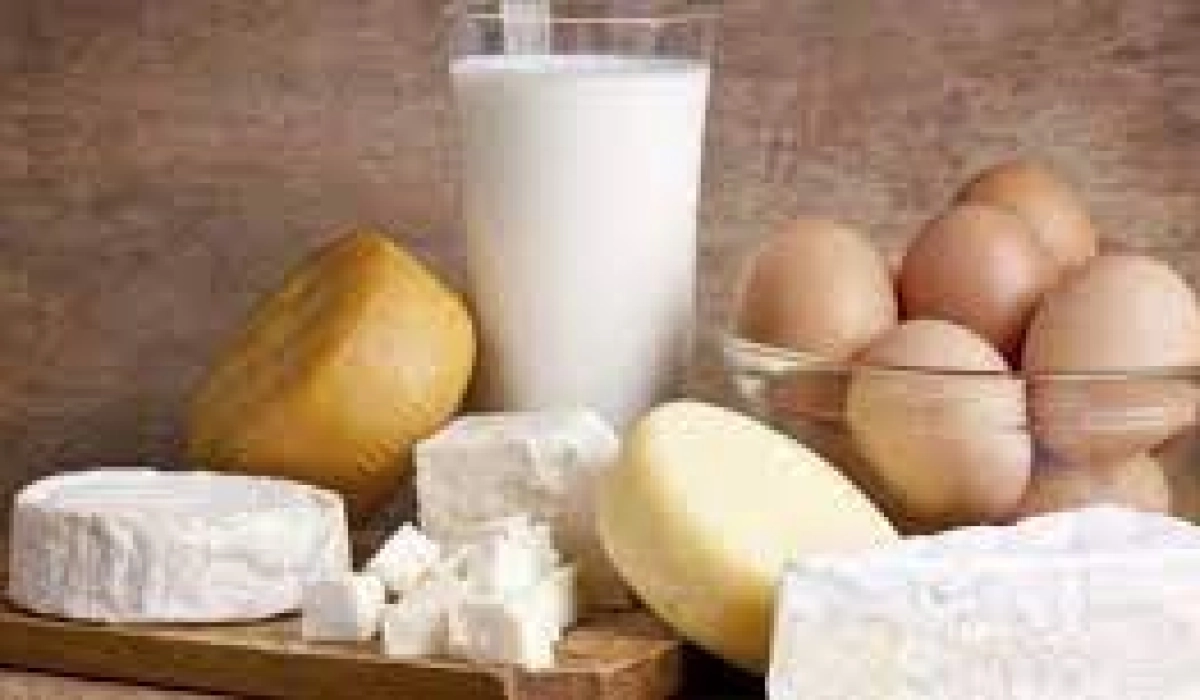
The concept of "dairy products" refers to a wide range of food items produced from milk of agricultural animals (e.g., cows, goats), as well as products of its processing (e.g., whey). Often, they contain additional ingredients that enhance taste and/or extend shelf life. Like other elements of citizens' diets, these products require mandatory safety assessment before release for sale.
Mandatory Declaration for Milk Products
Since 2014, the Customs Union has implemented Technical Regulation TR TS 033/2013. This regulatory document sets requirements for the safety and quality of milk products, as well as for the organization of their production, distribution, and disposal. Its provisions apply to:
-
fresh or processed milk (excluding dry and plant-based milk);
-
products based on it;
-
by-products of milk production (e.g., whey);
-
infant nutrition made from milk;
-
and so on.
For most milk products, the assessment form is established as declaration. In addition to TR TS 033/2013, other regulations (TR TS) also apply to them:
-
021/2011 – the main regulatory document establishing requirements for the safety of all food products and related technological processes;
-
022/2011 – a set of requirements for food product labeling;
-
029/2012 – a regulation applicable to food products containing food additives.
A single declaration is submitted under all the aforementioned technical regulations. It is registered through the applicant’s (manufacturer or supplier’s) personal account on an advisory basis. A separate document is prepared for each specific product group (milk, cottage cheese, sour cream, etc.).
A declaration for dairy products is issued for mass production (for a period of up to 5 years) or for the first shipment (for the product’s shelf life).
For additional information on declaration, see: https://trts.info/article/sertifikacziya-molochnoj-produkczii.
Testing of Milk Products for Declaration Registration
Acceptance of a declaration for food implies mandatory testing of representative samples of the declared products in a laboratory. Parameters of the products under study include:
-
taste, appearance, consistency, odor;
-
bacterial contamination (e.g., absence of aerobic, mesophilic, coliforms, etc.);
-
presence of somatic cells;
-
absence of toxic metals, mycotoxins, antimicrobial agents;
-
presence of pesticides;
-
acidity;
-
fat content;
-
presence of sugar, salt, and protein;
-
absence of yeast;
-
presence of probiotic components;
-
other.
Testing methodologies are determined by relevant state standards. Results are recorded in a test protocol.
State Registration of Milk Products
Milk products are subject to mandatory state registration instead of declaration if they are positioned as:
-
specifically manufactured for children;
-
belonging to specialized diets (e.g., dietary, sports, lactose-free, etc.).
In Russia, state registration is carried out by regional branches of Rospotrebnadzor. The procedure includes verification of the manufacturer’s documents and the product, as well as laboratory testing of samples.
The same safety indicators are checked as during declaration, along with additional properties. For example, for children’s dietary elements, oxidative spoilage levels and micronutrient content are evaluated. They must be produced on separate production lines.
Based on the test protocol and expert opinion, a registration document — SGR — is issued. Its validity period is 5 years.
Veterinary Inspection of Dairy Products
According to Technical Regulation TR TS 021/2011, mandatory veterinary control instead of declaration is organized for fresh and pasteurized milk and cream intended for:
-
supply to processing facilities;
-
retail sale at markets.
The procedure for conducting the inspection is established by the Order of the Russian Ministry of Agriculture No. 421 dated June 28, 2021. The procedure includes:
-
review of documentation and data provided by the applicant;
-
sample preparation;
-
sending samples to the laboratory for testing.
Within veterinary inspection, each batch of milk is subject to:
-
external appearance;
-
taste;
-
fat content;
-
protein content;
-
density;
-
acidity.
Every 10 days, the content of somatic cells (SC) and antimicrobial agents in the product is checked. Every six months, microbiological and hygienic safety of the batch is examined in accordance with indicators established in TR TS 021/2011.
Infectious health status of agricultural animals and cleanliness of containers used for transporting the product are also checked.
The veterinary conclusion is issued for one batch and remains valid throughout the product’s shelf life.
Voluntary Certification of Dairy Products
After completing mandatory safety assessments of milk products, a business entity may organize voluntary confirmation of their consumer characteristics and obtain a quality certificate. This document is issued by independent certification systems and mentions only those product parameters selected by the applicant, for example:
-
taste;
-
consistency;
-
fat, salt content;
-
probiotic properties;
-
micronutrient content;
-
storage period, etc.
The certificate confirms that the declared parameters comply with norms specified in the company’s technical documentation. Its validity period is up to 3 years.
The document serves a marketing function, i.e., helps strengthen consumer trust in the brand and increase sales. It is also provided to counterparties and tender organizers who request it from the business entity.