
What helps an agricultural enterprise work more efficiently and achieve better results in the fields
The efficiency of an agricultural enterprise begins with how accurately its day-to-day processes are organized: from soil preparation and seed selection to controlling sowing dates, plant protection, and harvesting.
Organizing Processes Within the Farm
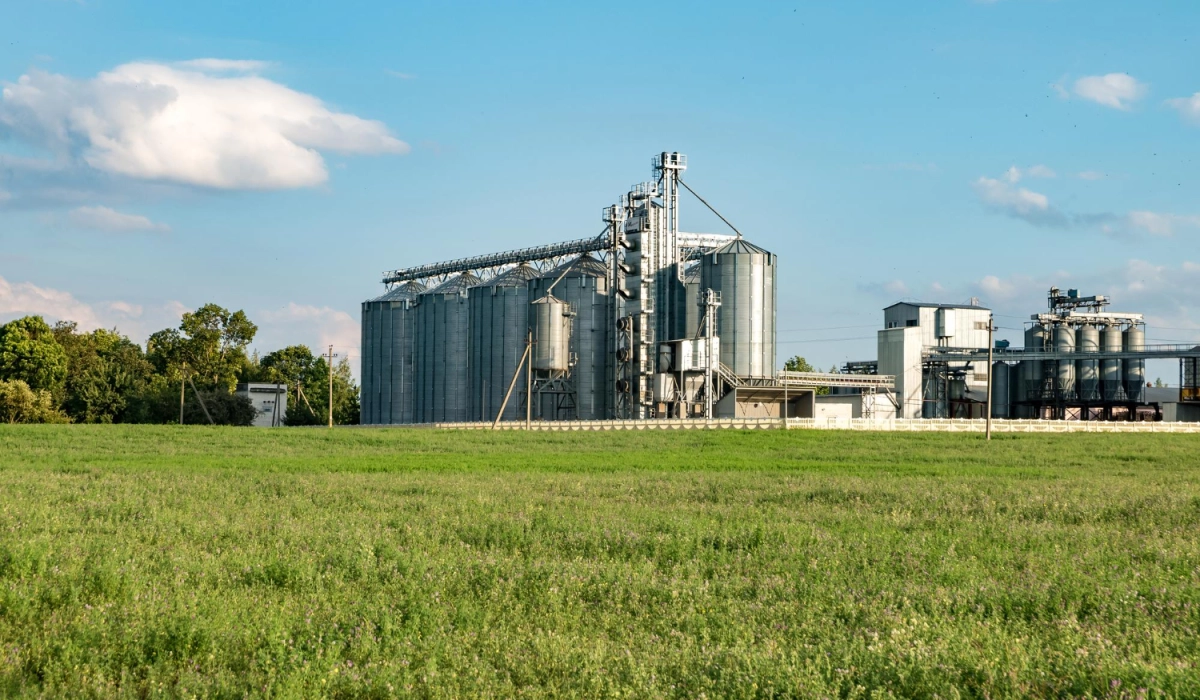
The efficiency of an agricultural enterprise begins with how accurately its day-to-day processes are organized: from soil preparation and seed selection to controlling sowing dates, plant protection, and harvesting. At the same time, industrial building construction also affects the overall result, since modern warehouses, hangars, workshops, and equipment storage facilities help reduce losses, speed up equipment maintenance, and improve the organization of the entire farm operation.
Infrastructure and Conditions for Stable Operations
High field performance depends not only on agricultural technologies, but also on the conditions in which the team works. For large farms, logistics, on-site infrastructure, ease of movement around the territory, and the overall organization of space are all important. In this context, sports facility construction can be viewed as part of the development of the social environment in rural areas where production facilities are located, because the stability of an enterprise is also closely connected with the comfort of the people who keep it running.
What Delivers Better Results in the Field
When an agricultural enterprise operates systematically, it gains advantages in several areas at once: unnecessary expenses are reduced, the accuracy of operations improves, and risks associated with weather and human factors decrease. Good results usually come not from a single decision, but from a set of measures covering machinery, agronomy, product storage, resource accounting, and quality control at every stage.
- strict adherence to sowing, fertilization, and crop treatment schedules;
- use of high-quality seed material and well-adapted hybrids;
- monitoring soil condition, moisture levels, and plant nutrition balance;
- timely maintenance of machinery before the season and during active fieldwork;
- availability of facilities for storing harvests, fertilizers, spare parts, and equipment;
- planning internal farm logistics to reduce downtime;
- continuous crop monitoring and a quick response to problems.
Machinery, Data, and Discipline in Operations
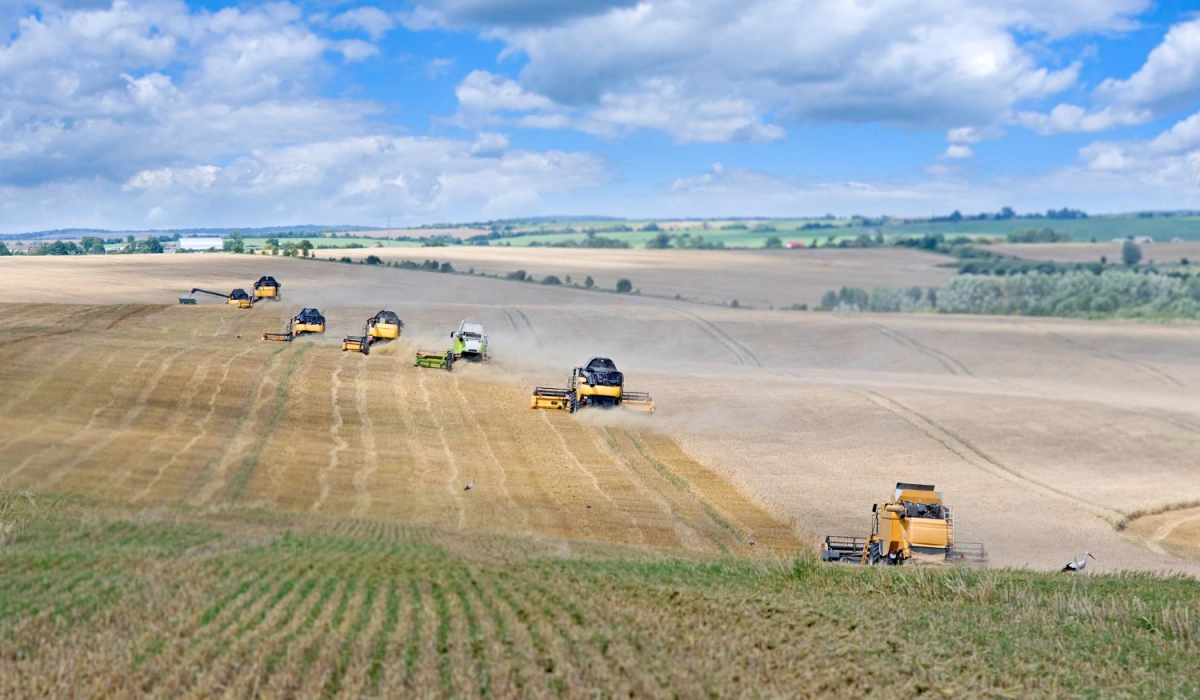
Even a powerful machinery fleet will not deliver the desired effect if there is no clear planning within the farm. To improve efficiency, it is important to see the full picture: how many resources are used per hectare, where time is being lost, which plots generate better returns, and which require a change in approach. That is why more and more enterprises are implementing digital work records, fuel control, machinery monitoring, and field-by-field yield analysis.
The Role of Agronomic Support
A strong agricultural enterprise almost always relies on a well-designed agronomic system. It includes crop rotation, soil analysis, selection of nutrition plans, disease and pest prevention, as well as the adjustment of decisions throughout the season. If these processes are not controlled, even good starting conditions do not guarantee a high result. It is precisely the agronomic approach that allows machinery, resources, and the real needs of the field to be connected into a single working model.
How Losses Are Reduced and Returns Increase
The best field results are achieved by farms that focus not only on yield as a number, but also on production cost, product preservation, and the speed of all operations. The fewer the delays, unnecessary movements, dosage errors, and missed deadlines, the higher the actual profit. That is why the efficiency of an agricultural enterprise is always a combination of strong agronomy, well-thought-out infrastructure, disciplined execution, and a willingness to continuously improve processes.
Season Preparation as the Basis of Efficiency
Many field problems arise not during active work, but long before machinery enters the field. If an enterprise prepares procurement plans in advance, checks the condition of seed material, gets machinery ready, and calculates the need for fertilizers and plant protection products, the season becomes far more predictable. Preparation helps avoid resource shortages at the most critical moment and reduces dependence on urgent and more expensive decisions.
Why It Is Important to Consider the Specific Features of Each Field
The same approach to every plot rarely produces the maximum effect. Different fields vary in soil texture, moisture reserves, relief, fertility levels, and crop history. When an agricultural enterprise takes these differences into account, it can distribute seeds, nutrition, and plant protection more accurately. This helps not only improve yields, but also avoid wasting resources where such spending offers no real benefit.
People and the Distribution of Responsibility
Even modern machinery and sound agronomic decisions do not work to their full potential if there is no clear system of responsibility within the farm. Efficiency grows where each employee understands their task, its deadlines, and the criteria for success. For an agricultural enterprise, it is especially important that machine operators, agronomists, engineers, warehouse staff, and management act as a single system rather than as separate parts working without overall coordination.
Cost Control Without Harming the Harvest
Reducing costs should not turn into saving money on the key elements of technology. Attempts to cut expenses by lowering seed quality, reducing nutrition rates, or delaying protection measures often lead to losses that cost more than the initial savings. A more reasonable approach is to analyze the real return on every investment, eliminate unproductive expenses, reduce downtime, and optimize machinery routes while preserving the agronomic logic of production.
Harvest Storage and the Impact of the Post-Harvest Stage
Field results are determined not only by the amount of product collected, but also by how much of the harvest can be preserved without losing quality. If grain, vegetables, or other products are stored in unsuitable conditions after harvesting, part of the profit is lost after fieldwork is already finished. That is why an efficient agricultural enterprise pays close attention to drying, sorting, ventilation, warehouse cleanliness, and the speed of moving the harvest into storage or toward sale.
Flexibility Under Weather Risks
Weather fluctuations remain one of the main factors of uncertainty in crop production. Drought, excess moisture, late frosts, or sharp temperature changes can seriously affect the outcome of the season. To operate more steadily, a farm must not simply react to problems after they appear, but also have backup action plans. These include selecting resilient crops and hybrids, spreading sowing dates, keeping machinery reserves, and quickly adjusting nutrition plans and plant protection measures depending on field conditions.
Planning Development Several Seasons Ahead
The best results are usually achieved not by enterprises that act only within a single current year, but by those that look at development over a longer horizon. Gradual machinery renewal, improvement of crop structure, work on soil fertility, modernization of storage facilities, and staff qualification improvement all create a cumulative effect. It is exactly this approach that helps an agricultural enterprise become more resilient, work more efficiently, and achieve more predictable field results in every following season.