
How to Properly Store and Transport Steel Billets
Steel billets are an important construction material widely used in various industries, from construction and machinery to furniture and equipment manufacturing.
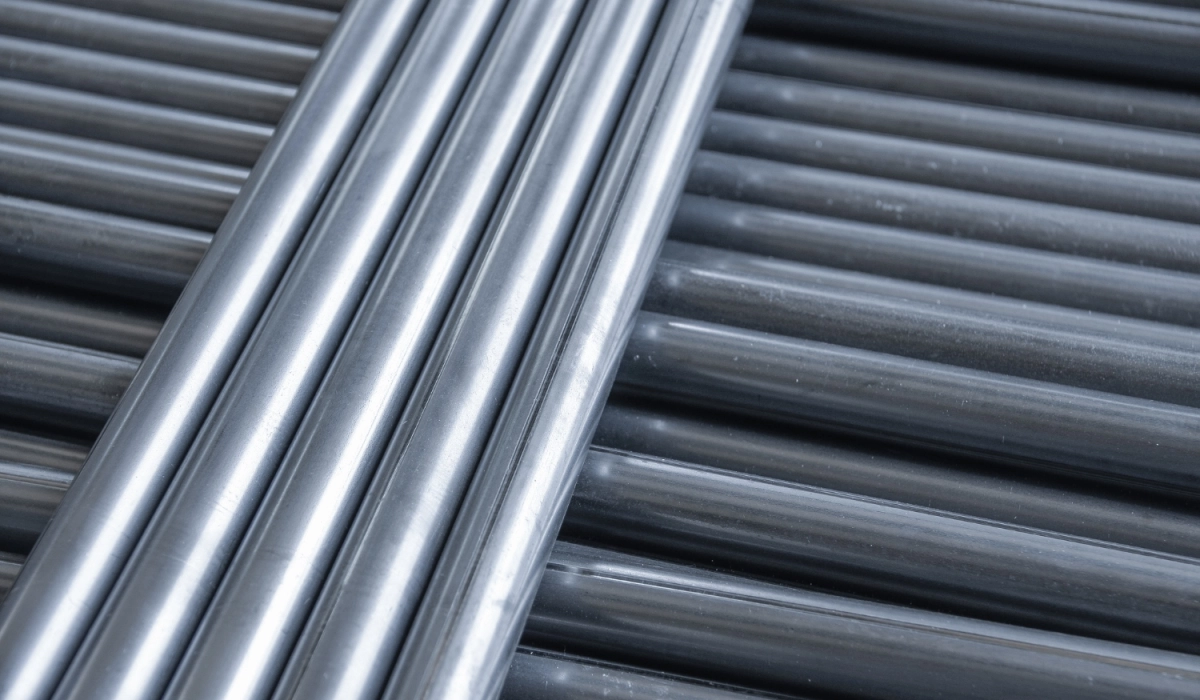
Steel billets are an important construction material widely used in various industries, from construction and machinery to furniture and equipment manufacturing. However, to ensure this material retains its properties and is not damaged, proper storage and transportation must be organized. In this article, we will explain how to properly store and transport steel billets to minimize the risk of damage and ensure the long-term service life of the product.
Storage of Steel Billets
Proper storage of steel billets plays a key role in ensuring their quality and longevity. It is necessary to follow several important rules to prevent corrosion, mechanical damage, and other undesirable consequences.
1. Choosing a Storage Location
Steel billets should be stored in locations that provide protection from moisture, direct sunlight, and pollutants. For this purpose:
- Store steel billets in dry rooms or under canopies that protect from rain and snow.
- On open areas, use protective coverings or tarps to protect from rain and humidity.
- It is important that storage areas are spacious enough to prevent material overload and ensure free access for inspection and movement.
2. Storage Organization
To prevent damage and corrosion, it is important to properly organize the placement of billets:
- Place steel billets in stacks, ensuring materials are laid horizontally on a flat surface. Laying billets on soft surfaces (such as wooden pallets) will help prevent damage.
- If steel billets are delivered in coils (e.g., sheet metal), store the coils vertically.
- Various types of steel billets, such as rebar, pipes, sheets, and profiles, should be stored separately to avoid mixing and damage.
3. Corrosion Protection
To avoid rust and other defects, it is important to protect steel billets from exposure to moisture and oxygen:
- Use special coatings, such as anti-corrosion compounds, to protect the metal.
- When storing for extended periods in high humidity or outdoors, regularly inspect the material condition and take additional protective measures (e.g., temporary coating).
Transportation of Steel Billets
Transportation of steel billets requires special attention. Bouncing, falling, or improper securing may damage the material, cause deformation, or even destroy parts of the billets. Let's consider how to minimize risks and ensure safety during transportation.
1. Packaging of Steel Billets
Before transportation, it is necessary to properly package steel billets:
- Use specialized packaging that ensures protection from mechanical damage and environmental exposure.
- It is important that the packaging does not restrict air access to the metal to prevent condensation formation inside the packaging, which may lead to corrosion.
- For transporting small or small-sized items, such as rebar, use stretch film or other protective materials.
2. Securing Billets on Transport Vehicles
When transporting steel billets, it is important to properly secure the load:
- Use fastening materials such as straps and belts to securely fasten billets and prevent movement during transportation.
- Distribute the load evenly across the transport vehicle to avoid overloading and damage to materials.
- To prevent damage, use protective pads and sealants between different types of billets.
3. Choosing Transport Vehicles
Choosing the right transport vehicles is crucial for transporting steel billets:
- For heavy or large batches of billets, use platforms, special containers, and vehicles with reinforced construction capable of handling heavy loads.
- When transporting oversized items, such as pipes and beams, use long-haul vehicles equipped with lifting mechanisms for easier loading and unloading.
- Ensure that transport vehicles have the necessary characteristics to protect against weather conditions, especially when transporting over long distances.
Technical Aspects of Transportation and Storage
To minimize the risk of damage and optimize storage and transportation of steel billets, several technical solutions can be used:
- Use of shelving systems and pallets. This simplifies the storage process and speeds up access to materials. Pallets can be made from different materials, such as wood, metal, or plastic, depending on the type of billet.
- Temperature and humidity control. Installing sensors that monitor temperature and humidity levels in warehouses allows timely detection of potential storage condition issues.
- Regular inspections. Periodic inspection of steel billet condition and control of packaging and storage helps avoid corrosion and damage, ensuring long service life of materials.
Conclusion
Proper storage and transportation of steel billets is an important process requiring attention and careful preparation. Adhering to all recommendations for storage organization, corrosion protection, and proper packaging for transportation will ensure material preservation and high quality during use.
The company "TRANSMET UA" offers a wide range of steel billets and provides consultation on storage and transportation issues. We will help you choose optimal solutions and ensure safe delivery of your materials within the required timeframes.