
How to Properly Select the Gear Ratio and Torque for a Reducer
Selecting a reducer is an important process that directly affects the efficiency of equipment operation. One of the key parameters is the gear ratio, which determines the output shaft speed and the force applied to the load.
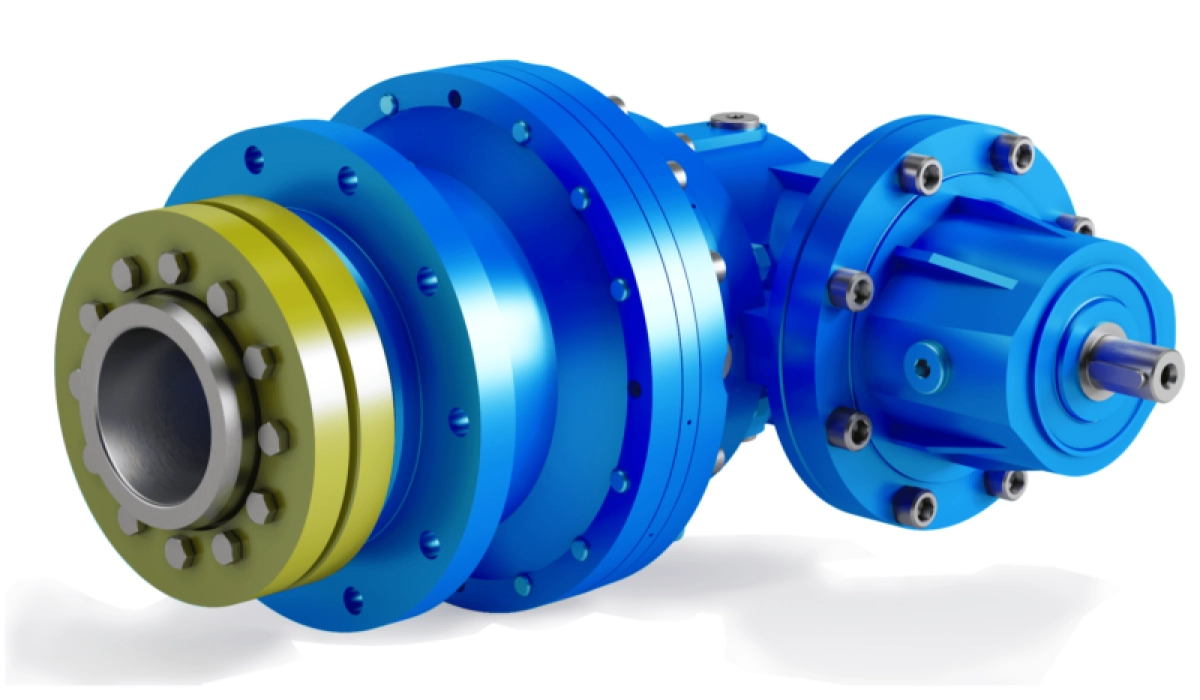
Selecting a reducer — an important process that directly affects the efficiency of equipment operation. One of the key parameters is the gear ratio, which determines the output shaft speed and the force applied to the load. To correctly select the gear ratio, it is important to consider the characteristics of the equipment and its operation. For example, if your mechanism requires high precision and power, consider paying attention to planetary reducers. These devices provide an excellent balance of compactness and power, making them popular across a wide range of applications.
Key Parameters for Choosing a Reducer
To choose the right reducer, you must consider several key parameters:
- Output shaft RPM: This is directly related to the gear ratio. The higher the gear ratio, the fewer revolutions at the output, and vice versa.
- Torque: This parameter is important for determining the power that the reducer must transmit to the output shaft.
- Motor power: The motor power also affects the selection of the gear ratio and the overall operating cycle of the reducer.
When planning to purchase a reducer, it is important to remember that different tasks require different types of devices. For example, if you are interested in planetary reducer price, it will depend on numerous factors, such as materials, size, and additional options that may include electric motors or cooling systems.
How to Properly Choose the Gear Ratio
The selection of the reducer's gear ratio depends on multiple factors, including required rotational speed and power. Here are several steps to help you make the right choice:
- Determine the required output shaft speed: This will be the starting point for calculating the gear ratio.
- Consider motor power: The more powerful the motor, the lower the gear ratio may be needed to achieve the desired rotational speed.
- Consider operating conditions: If the mechanism will operate under variable loads or harsh conditions, a higher gear ratio may be required to increase safety margin.
Torque: How to Calculate It
Torque — this is another key parameter that must be considered when selecting a reducer. It determines the force the reducer can transmit to the output shaft. To calculate torque, you need to know:
- Motor power
- Output shaft RPM
- Reducer gear ratio
Correct calculation of these parameters allows you to avoid equipment wear and ensures long-term operation of the reducer.
Impact of Gear Ratio on Performance
The gear ratio — this is the ratio between the number of revolutions of the input and output shafts of the reducer. The higher the gear ratio, the slower the output shaft rotates, but the torque increases. This makes reducers with high gear ratios ideal for tasks requiring significant force, such as lifting heavy loads or transmitting energy in industrial equipment.
Example of use: If your equipment requires smooth and precise movement at relatively low speeds, planetary reducers with high gear ratios will be an excellent choice. Their design allows achieving precise power transmission with minimal losses.
How to Select Torque
Torque is directly related to motor power and gear ratio. To properly select a reducer with the required torque, follow these steps:
- Calculate the required power for your equipment. The higher the required power, the greater the torque the reducer must transmit.
- Assess operating conditions: Loads, number of starts per hour, temperature conditions — all of this affects the selection of torque.
- Select a safety margin: It is important to choose a reducer with a small torque safety margin to avoid overloading the device and extend its service life.
Advantages of Planetary Reducers
Planetary reducers are often chosen due to their high efficiency and compactness. They can provide a large gear ratio in a relatively small volume and weight, making them ideal for use in confined spaces. Additionally, planetary reducers ensure even load distribution across all gear wheels, increasing their longevity.
Correct selection of gear ratio and torque for a reducer requires careful consideration of operating parameters, power, and operating conditions. Regardless of whether you are selecting a reducer for machinery or more specialized tasks such as instrumentation or aviation, the key to successful operation lies in the correct balance of gear ratio and torque.