
Gear Pump Structure and Main Characteristics
A gear hydraulic pump is used to generate pressure and transmit fluid in a hydraulic system. It consists of two gears – a driving and a driven gear. These components rotate inside the housing.
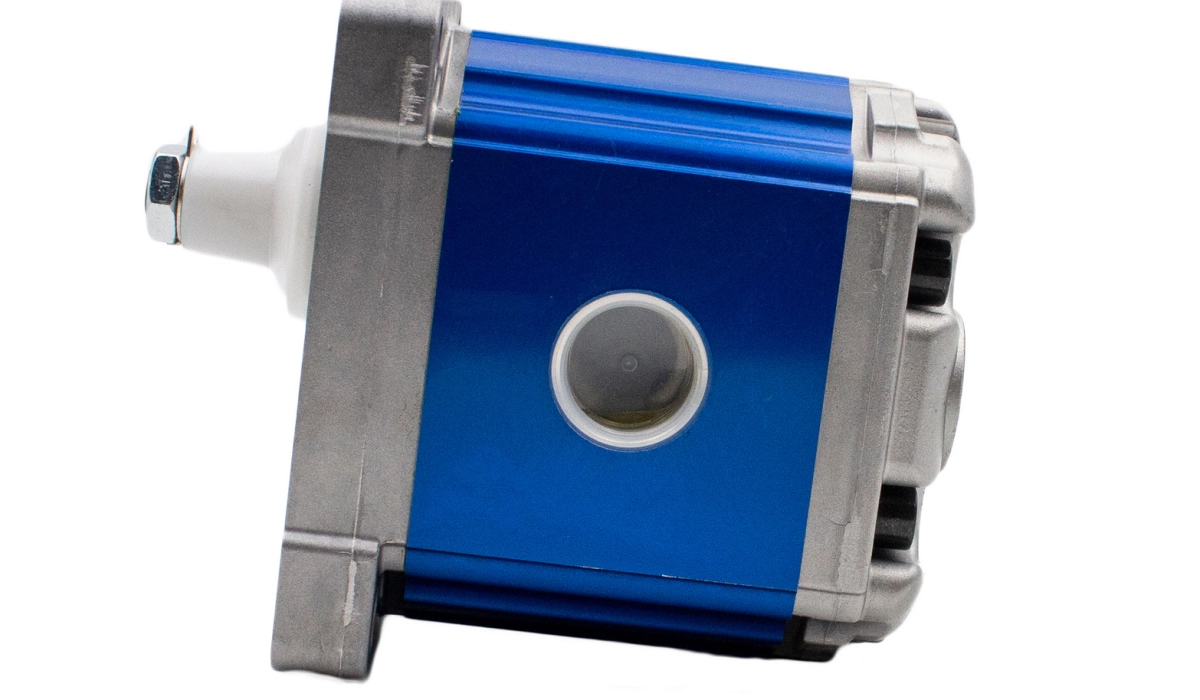
A gear hydraulic pump is used to generate pressure and transmit fluid in a hydraulic system. It consists of two gears – a driving and a driven gear. These components rotate inside the housing. As they rotate, a space is formed between the gear teeth, which is filled with fluid from the suction port. As the gears continue to move, the working fluid is drawn and moved along the teeth to the discharge port.
The gear pump is widely known and applied gear pump. It has a number of advantages. Before use, it is necessary to learn more about the structure and main characteristics of this equipment. This will allow you to make the right choice of hydraulic pump.
Gear Pump Structure
A gear pump consists of several main components:
- Housing. The main casing, in which internal components are located. It is usually made of metal or a special strong plastic.
- Driving gear. The drive component, powered by an external energy source, such as an electric motor or internal combustion engine. It usually has a higher tooth profile and rotates, transmitting motion to the driven gear.
- Driven gear. An immersed element connected to the driving gear, which rotates under its influence. Its rotation creates a vacuum and suction effect.
- Suction port. Located in the housing and designed for suctioning fluid from an external source.
- Discharge port. Designed for expelling fluid from the pump.
- Seals. Gaskets prevent fluid leakage between the rotating gears and the pump housing.
Gear pumps may have additional components as well. This depends on the requirements imposed on the hydraulic pump under specific conditions.
Main Characteristics
The main characteristics of a gear pump may vary depending on its specific type. When selecting, attention should be paid to the following parameters:
- Flow rate. This is the volume of fluid it can pump within a certain time period.
- Pressure. The ability to generate the force required to move the fluid.
- Efficiency. Indicates the effectiveness of operation.
- Working medium. Indicates the type of fluid the device works with.
It is important to pay attention to mounting size, equipment reliability, cost, as well as other characteristics and features.