
Which washing modes are convenient for clothing after working with soil, seedlings, and fertilizers
Clothing after tending garden beds, a greenhouse, seedlings, and soil usually requires not ordinary but more thoughtful washing, so before starting the machine it is useful to understand in advance which modes actually handle such tasks.
What kind of stains appear after working on the plot
Clothing after taking care of garden beds, a greenhouse, seedlings, and soil usually requires not ordinary but more thoughtful washing. That is why, before starting the machine, it is useful to understand in advance which modes really cope with such tasks. When choosing a suitable model and programs, many people look at https://allo.ua/ru/stiralnye-mashiny/ to compare available options by load capacity, functions, and extra modes for everyday garment care.
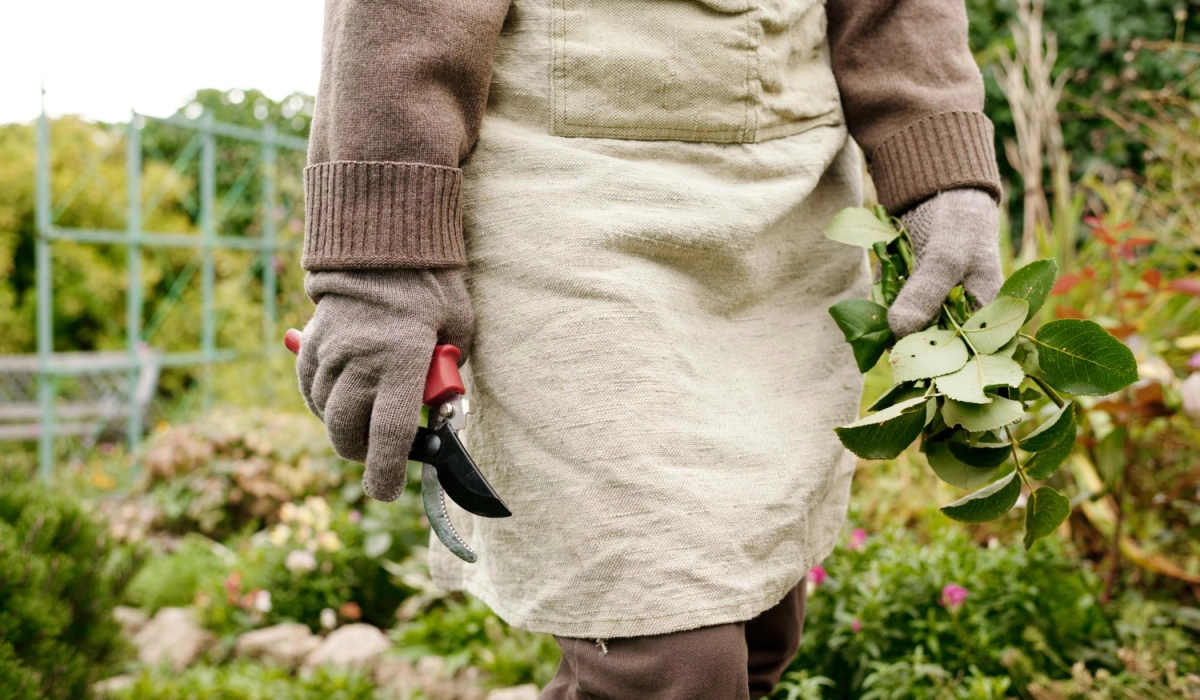
After working with soil and fertilizers, traces of dust, wet dirt, plant juices, grass stains, sweat, and small particles that get trapped in the fibers often remain on the fabric. If such clothes are washed without the right mode, the stains may set in, and dense workwear will lose its neat appearance faster.
When the prewash mode is useful
Prewash is especially convenient for trousers, jackets, sweaters, and T-shirts that have visible traces of soil, dust, and dried dirt. This mode helps soften the dirt first and only then move on to the main wash, which makes the fabric noticeably cleaner.
This option works well for clothes worn after planting seedlings, weeding, hilling, transplanting plants, and cleaning in the greenhouse. It is especially helpful during periods of active seasonal work, when clothes get dirty quickly and heavily, and there is almost no time for hand soaking.
Why the intensive wash mode is useful for dense fabrics
If we are talking about workwear made of dense cotton, blended fabrics, or clothes worn for caring for the household and the plot, the intensive mode becomes convenient. It is designed for a longer cycle, active drum rotation, and thorough dirt removal.
This washing format is suitable for clothes that come into contact with soil, bags of potting mix, seedling boxes, and tools. But it is better not to use it for delicate fabrics, because stronger treatment can speed up material wear.
Extra rinse mode after contact with fertilizers
Clothing after working with mineral and organic fertilizers often needs not only good stain removal, but also thorough elimination of detergent residue and possible traces of working compounds. For this, the extra rinse mode is especially convenient.
It helps wash out powder particles and dirt from the fabric more effectively, which is important for everyday workwear that is often used again the very next day. It is also useful for clothes that stay in contact with the skin for a long time.
Which programs are most often useful
- Prewash for heavily soiled clothes with dried soil
- Intensive wash for dense fabrics and workwear
- Extra rinse for better removal of fertilizer and detergent residue
- Quick wash for lightly soiled clothes after short work on the plot
- Synthetics mode for light gardening clothes and thin work sweaters
- Delicate wash for garments that are not meant for heavy mechanical action
- Steam treatment for refreshing clothes and reducing odors
When quick wash comes in handy
After a short time spent working with seedlings, watering, or caring for plants, clothes are not always heavily soiled. Sometimes they only have dust, light traces of moisture, and the smell of the plot. In such cases, a quick mode is convenient.
It allows clothes to be refreshed without a long cycle and helps save time. This is especially practical in spring and summer, when clothes have to be washed often, but the degree of soiling varies.
Steam and delicate programs for everyday clothing
Not all clothes for working on the plot are dense work uniforms. Often these are ordinary T-shirts, sweatpants, light sweaters, windbreakers, and synthetic garments. Softer programs that do not overload the fabric are more convenient for them.
If the washing machine has a steam function, it can be useful for refreshing clothes after the greenhouse, where garments quickly absorb the smell of moisture, soil, and fertilizers. Steam treatment also helps reduce creasing and improves the overall appearance of clothes after washing.

What to pay attention to when choosing a mode
The right program depends not only on the stains, but also on the type of fabric, the number of items, and the frequency of washing. For clothes after working with soil, it is important that the machine can cope with dense dirt, rinse the fabric well, and allow additional settings to be selected.
The most practical option is when the machine has a combination of several useful functions: prewash, intensive cycle, extra rinse, mixed fabrics mode, and a quick program. Such a set makes everyday care of clothes after working in the garden, greenhouse, and on the plot much more convenient.
What spin speed is suitable for clothes after working on the plot
After washing clothes worn while working with soil, seedlings, and fertilizers, not only the cleaning cycle itself is important, but also the correctly chosen spin. For dense trousers, jackets, work sweaters, and blended-fabric garments, medium or higher spin speeds are usually convenient because they help remove moisture faster and shorten drying time.
For lighter clothing, T-shirts, thin trousers, and garments with elastic inserts, it is better to use a moderate spin. Too high a speed can wear out the fabric faster, especially if such clothes are washed often throughout the season.
Why the drum cleaning mode is useful
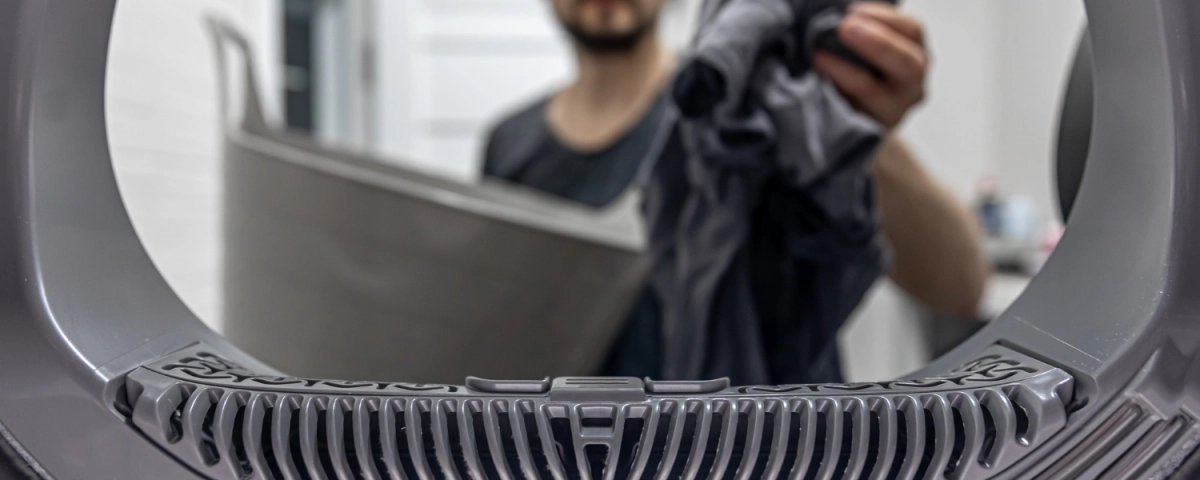
After regular washing of clothes with particles of soil, dust, and plant residue, the strain falls not only on the fabric, but also on the machine itself. Small dirt particles, detergent residue, and odors gradually build up inside the machine, so the drum cleaning function becomes not just an extra option, but a practical solution for everyday care.
This mode helps maintain hygiene inside the machine and reduces the risk of unpleasant odors. This is especially important in homes where work clothes after gardening, greenhouse work, or household chores are washed often and in large volumes.
When it is worth separating clothes before washing
Even if good programs are available, it is not worth loading all items into the drum at once. Clothes after working on the plot may differ in the degree of soiling, fabric density, and allowable washing temperature. If light garments are mixed with heavy and very dirty ones, the result often turns out worse than expected.
A more practical approach is to wash dense workwear separately, light everyday clothing separately, and textiles that require gentle handling separately. This helps choose the mode more accurately and keep clothes in good condition longer.
How temperature affects washing results
When choosing a program, it is also important to consider the water temperature. For fresh traces of soil, dust, and sweat, moderate settings are often enough, especially if the fabric is not too dense. But if persistent dirt remains on the clothing after long work, a higher temperature can improve washing efficiency.
At the same time, not all materials tolerate hot water well. For modern workwear, garments with synthetic fibers, and clothing with elastic elements, it is safer to use modes in which temperature is combined with a longer cycle and high-quality rinsing.
When mixed fabrics programs are useful
After working on the plot, people often wash not just one type of clothing, but several at once: T-shirts, sweaters, trousers, light jackets, and headwear. In such cases, mixed fabrics modes become a convenient solution. They are designed for more universal treatment and are suitable for everyday loads without overly harsh action.
This mode is convenient when garments do not have very difficult stains, but still require a full wash after contact with soil, dust, and plant residue. For a home where clothes after gardening and vegetable growing work have to be washed regularly, this is one of the most practical options.
What makes washing more convenient during the active work season
During the period of planting, caring for seedlings, working on beds, and greenhouse tasks, what matters most is not the most complex technologies, but clear and truly useful modes. If the washing machine allows you to choose prewash, an intensive cycle, extra rinse, the right spin, and quick programs, caring for clothes becomes noticeably easier.
In practice, the most convenient modes are those that help deal with dirt without unnecessary manual effort. That is why, for clothes after working with soil, seedlings, and fertilizers, it is not decorative features that are valued, but the real capabilities of the machine for frequent and varied washing.