
The Impact of Flowers on Crop Yield and Soil Health: Practical Tips for Farmers
When selecting flowers for planting in agricultural settings, it is necessary to consider not only their aesthetic appeal but also their ability to improve soil conditions.
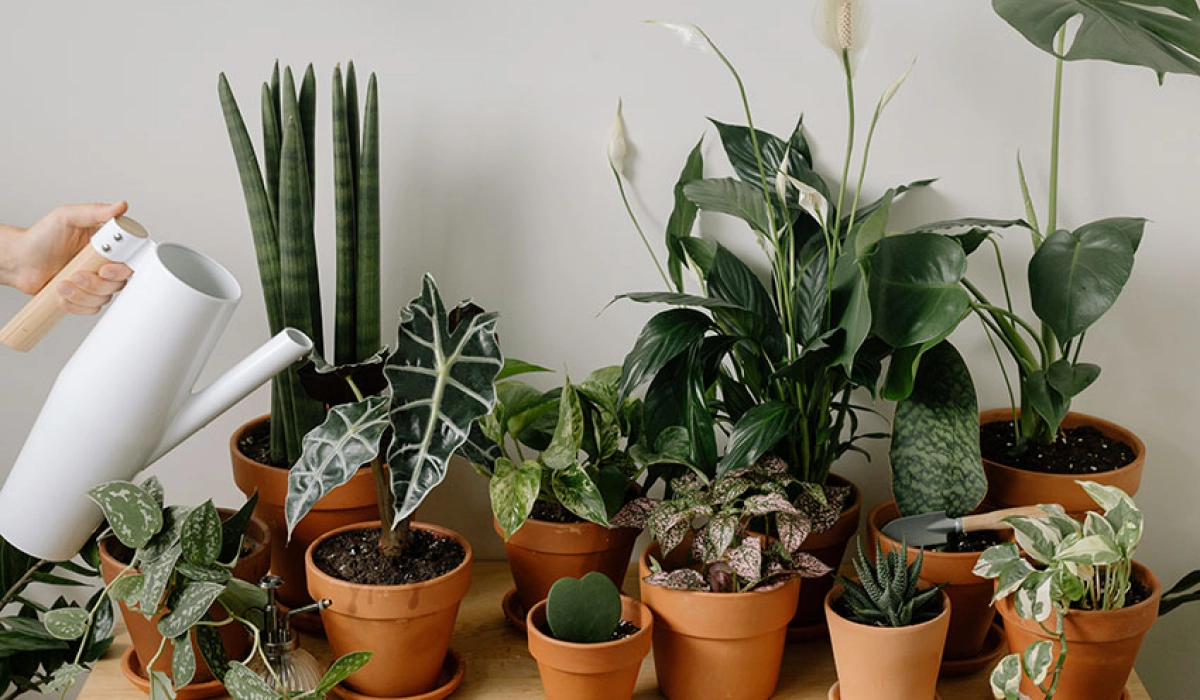
When selecting flowers for planting in agricultural settings, it is necessary to consider not only their aesthetic appeal but also their ability to improve soil conditions. For example, many potted flowers can serve not only as decorative elements but also as useful tools for improving soil structure and increasing its fertility. It is important to choose plants that promote aeration and enrich the soil with beneficial substances.
Popular flowers for improving soil
- Daisies: help increase nitrogen content in the soil, which is especially important for nearby agricultural crops.
- Calendula: known for its ability to suppress certain types of nematodes in the soil, making it an ideal choice for protecting root systems.
- Nasturtium: attracts beneficial insects such as bees and ladybugs, which aid in pollination and pest control.
- Lavender: improves soil structure, preventing compaction, and supports the health of nearby plants due to its aromatic properties.
Methods of using flowers to improve crop yield
- Rotation: Incorporating flowers into crop rotation schemes can significantly improve yields of subsequent crops.
- Mulching: Using dried leaves and stems of flowers as mulch helps retain soil moisture and suppress weed growth.
- Companion planting: Planting flowers near agricultural crops can deter pests and attract beneficial insects.
The role of flowers in soil restoration
Flowers not only beautify agricultural fields but also play an important role in restoring and maintaining soil health. They are capable of restoring the mineral composition of the soil, improving its physical properties, and promoting biodiversity, ultimately leading to increased crop yields and reduced plant disease susceptibility.
The importance of flower biodiversity for field ecosystems
Flower biodiversity plays a key role in maintaining a healthy agroecosystem. Different types of flowers attract a variety of insects beneficial for pollination and pest control, which directly affects the improvement of crop quality and crop resilience to diseases.
How flowers affect the microclimate on the field
Flowers can alter the microclimate on the field, creating more favorable conditions for the growth of agricultural crops. They can reduce wind speed, increase air humidity, and even regulate soil temperature, thereby reducing stress on plants during hot and dry periods.
Using flowers as indicators of soil health
Flowers not only improve soil but can also serve as indicators of its condition. Observing the health and growth of flowering plants can help farmers promptly identify issues with nutrient levels, moisture, or the presence of pests in the soil.
The use of flowers in agriculture represents an effective and environmentally friendly way not only to beautify agricultural fields but also to significantly improve crop yields and soil condition. Integrating flowering crops into agricultural practices requires careful planning and attention, but the results are definitely worth it.