
How to properly feed petunias?
Petunias are among the most popular decorative plants, known for their variety of colors and long flowering period. To ensure healthy growth and vibrant blooms, it is important to properly select and apply fertilizers.
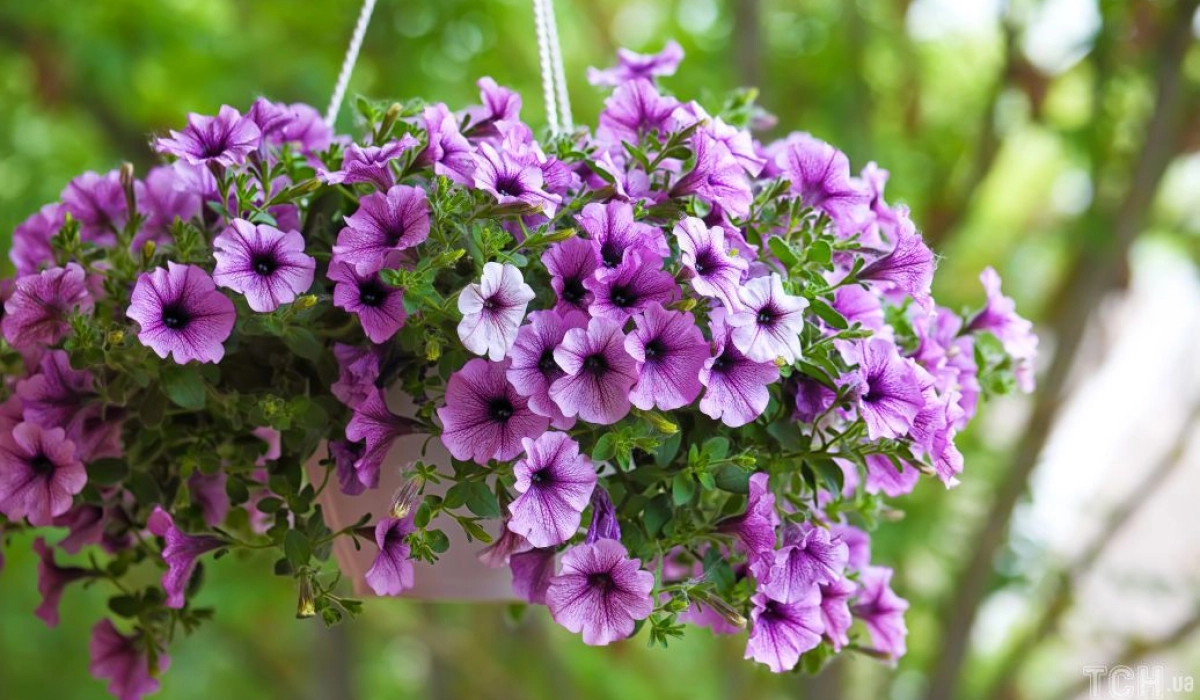
Petunias are among the most popular decorative plants, known for their variety of colors and long flowering period. To ensure healthy growth and vibrant blooms, it is important to properly select and apply fertilizers. Below are the main features and recommendations for fertilizers for petunias.
Balance of primary nutrients (NPK)
One of the main characteristics of fertilizers is their composition, particularly the ratio of nitrogen (N), phosphorus (P), and potassium (K):
- Nitrogen (N) is a key element for plant growth, specifically leaves and stems. Petunias require moderate amounts of nitrogen, as excess of this element can lead to excessive leaf growth at the expense of flowering.
- Phosphorus (P) plays an important role in root development and stimulates flowering. Petunias require sufficient phosphorus, especially at the beginning of the vegetative period.
- Potassium (K) strengthens the plant, increases its resistance to diseases, and promotes flower formation. Potassium is necessary to ensure bright coloration and prolonged flowering.
Liquid and granular fertilizers
Fertilizers can be of different forms, and the choice between them depends on the specific needs of the plant and growing conditions:
- Liquid fertilizers are easily absorbed by plants and provide rapid delivery of nutrients. They are ideal for regular feeding, as they can be quickly prepared and accurately dosed. This is especially convenient for petunias, which require frequent feeding during flowering.
- Granular fertilizers release nutrients gradually, providing long-term feeding. They are often used during planting or transplanting petunias, as they provide stable feeding for several weeks or even months.
Organic and mineral fertilizers
Fertilizers for petunias can be divided into organic and mineral:
- Organic fertilizers such as compost, manure, or liquid manure improve soil structure, increase its water and air permeability, and promote the reproduction of beneficial microorganisms. Organic fertilizers slowly release nutrients, providing steady feeding for plants.
- Mineral fertilizers quickly provide plants with necessary elements in an accessible form, which is especially useful for rapid growth and intensive flowering. They may contain a complex of macro- and microelements necessary for healthy petunias.
Special fertilizers for flowering plants
There are special fertilizers for flowering plants available on the market, which take into account the nutrient needs of petunias:
- These fertilizers usually have a higher content of phosphorus and potassium, which promotes flowering stimulation. Using these fertilizers allows petunias to have optimal conditions for forming a large number of flowers.
Microelements
In addition to primary macronutrients (NPK), petunias also require microelements:
- Iron is important for photosynthesis and prevents leaf chlorosis.
- Magnesium is necessary for chlorophyll synthesis.
- Zinc and Boron participate in various metabolic processes of the plant. It is important to ensure petunias have sufficient amounts of microelements to avoid deficiencies that may affect their health and flowering.
Feeding schedule
Regular feeding is key to maintaining the health and active flowering of petunias:
- Petunias are recommended to be fed approximately once every two weeks, especially during active growth and flowering periods. For this, liquid fertilizers can be used at a lower concentration but more frequently.
- Granular fertilizers can be applied less frequently, but they provide long-term feeding, which is convenient for gardeners.
Proper use of fertilizers will help provide petunias with the necessary conditions for abundant and prolonged flowering. It is important to follow recommended dosages and feeding schedules to avoid overloading plants with nutrients, which may lead to negative consequences. Regular care and timely application of fertilizers will allow petunias to delight you with their bright and abundant flowering throughout the season.