
Tractor with a cab or without: which is more выгодно for daily farm work
During the selection of equipment, farmers often compare comfort, price, and operating conditions, because on small and medium-sized plots it is important not just to buy a machine, but to find a solution for consistent work throughout the entire season.
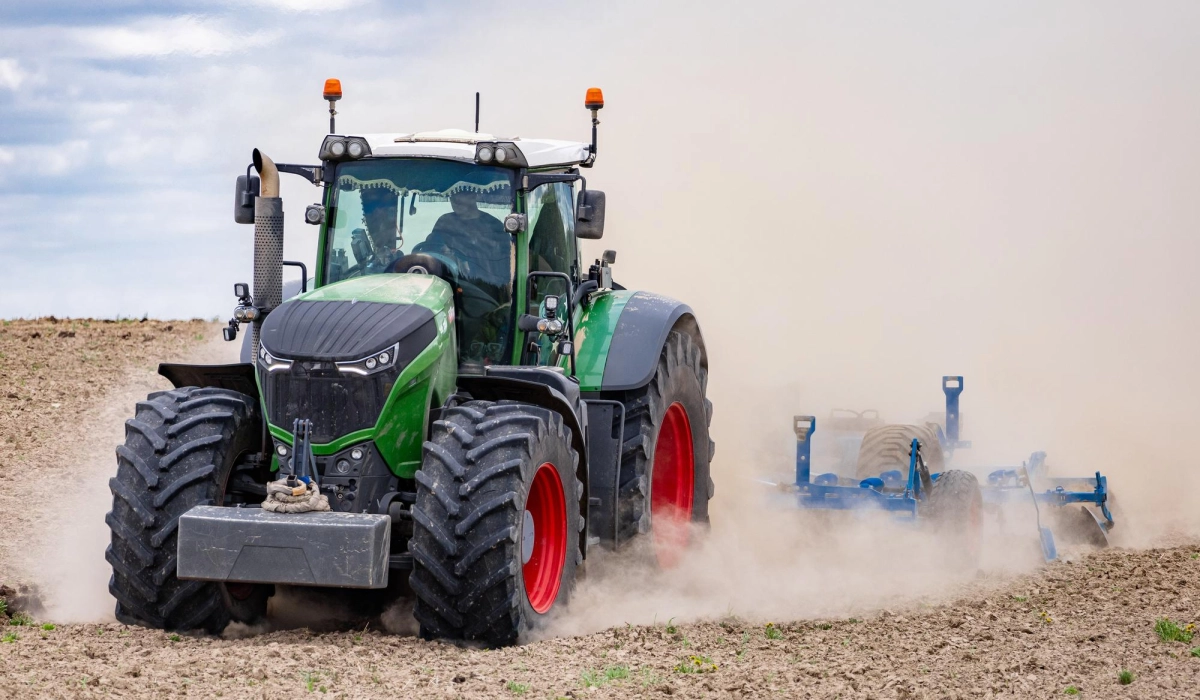
When choosing equipment, farmers often compare comfort, price, and operating conditions, because on small and medium-sized plots it is important not just to buy a machine, but to find a solution for consistent work throughout the entire season. If the farm already uses compact machinery and also considers https://tb-mag.com.ua/ua/minitraktora as a reference point for selecting models, the question of a cab becomes especially important, because it affects both the operator’s daily comfort and the overall efficiency of getting the job done.
When it comes to larger machinery for soil cultivation, cargo transport, and work with trailed and mounted equipment, the choice between an open design and an enclosed operator station already depends on workload, season, and shift duration. That is why, when analyzing models on the page https://tb-mag.com.ua/ua/traktora, it is worth looking not only at power, drive type, or gearbox, but also at how comfortable the tractor will be for daily use in heat, wind, dust, rain, and cold.
What a cab provides during constant use
A cab primarily protects the operator from external conditions. During field work in the season, a person spends many hours behind the wheel, so dust, sun, wind, rain, or low temperatures directly affect fatigue and productivity. If the machine is used in spring, summer, autumn, and partly in winter, an enclosed operator station noticeably reduces strain on the operator and allows longer work without losing concentration.
Another advantage is more stable working conditions. It is easier to maintain a comfortable temperature inside the cab, especially if the model is equipped with ventilation or air conditioning. This is important for those who work not occasionally, but every day, carrying out sowing, spraying, transportation, fertilizing, mowing, and other regular operations.
When an open design can be more cost-effective
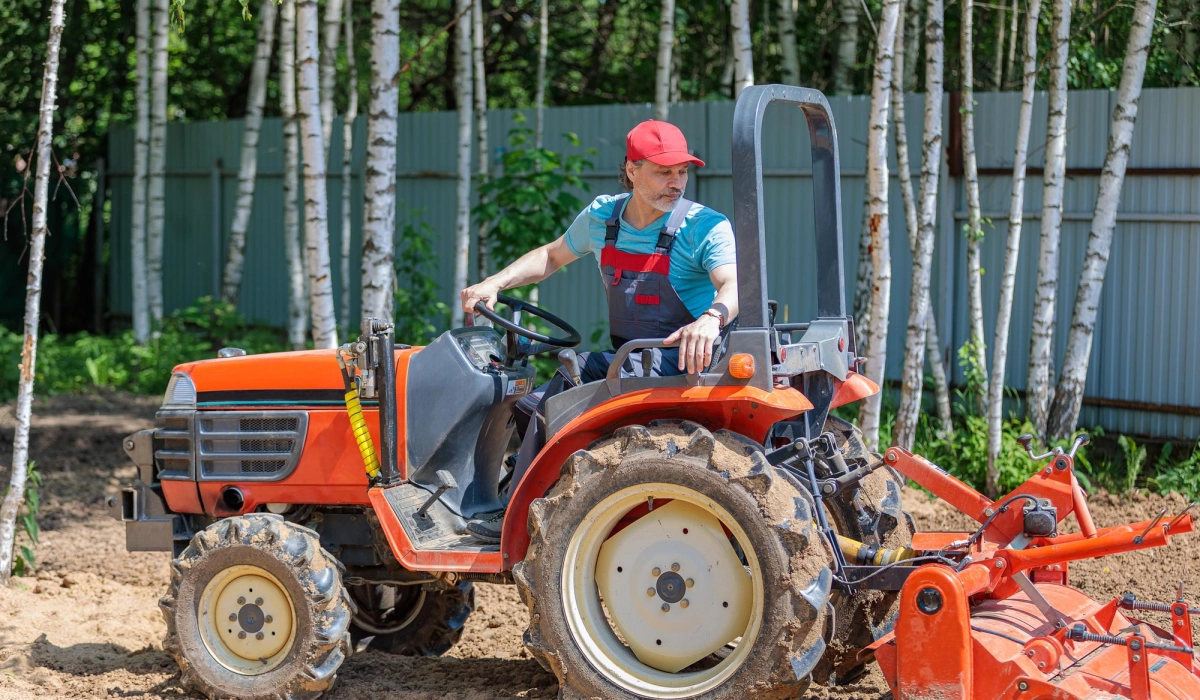
A tractor without a cab usually costs less, which means a lower starting budget for the farm. For many owners of small plots, this is a decisive argument, especially if the machine is purchased for seasonal or occasional work rather than for daily use throughout the year.
An open design also often provides better side visibility and can be more convenient in tight conditions, for example in a yard, in orchards, near farm buildings, or during simple work on small areas. In addition, such machinery is usually simpler in design and therefore can be cheaper to repair and maintain.
What the real benefit for the owner depends on
To understand which option is truly more profitable, it is necessary to evaluate not only the purchase price, but also the daily operating pattern. If the tractor works several hours a week, mostly in good weather, without long trips and difficult conditions, a model without a cab will often be a sufficient and economically justified solution. But if the machine is used almost every day, performs many different tasks, and works in dust, cold, or heat, the advantage of a cab quickly becomes noticeable.
In fact, the benefit is determined by how much operator comfort affects work pace, fatigue, safety, and the machine’s readiness to work in different weather conditions. For intensive farming, a more expensive configuration can be a smarter investment because it reduces the physical strain on the person and helps consistently complete the planned workload.
What is important to consider before buying
- how many hours a day the machine will actually work during the season
- whether work is planned in heat, rain, strong wind, or cold weather
- how important operator comfort is during long shifts
- whether there is a need for air conditioning, heating, and dust protection
- what budget is allocated not only for purchase, but also for дальнейшее обслуживание
- whether the tractor will be used in open fields, orchards, in the yard, or for municipal work
Daily costs of time, effort, and operator stamina
Very often this factor is underestimated when choosing. Cheaper machinery without a cab may seem more profitable at the start, but during constant work the operator gets tired faster, depends more heavily on the weather, and more often reduces pace because of discomfort. As a result, this affects not only well-being, but also the actual amount of work completed during the day.
With a cab, the situation is different. Work becomes more predictable, the machine is easier to use in different weather conditions, and the person becomes less physically exhausted. That is why for farmers who work every day on large areas or actively use a tractor in the farm, the presence of a cab often brings benefits not instantly, but through regular operation throughout the entire season.
Who each option is better suited for
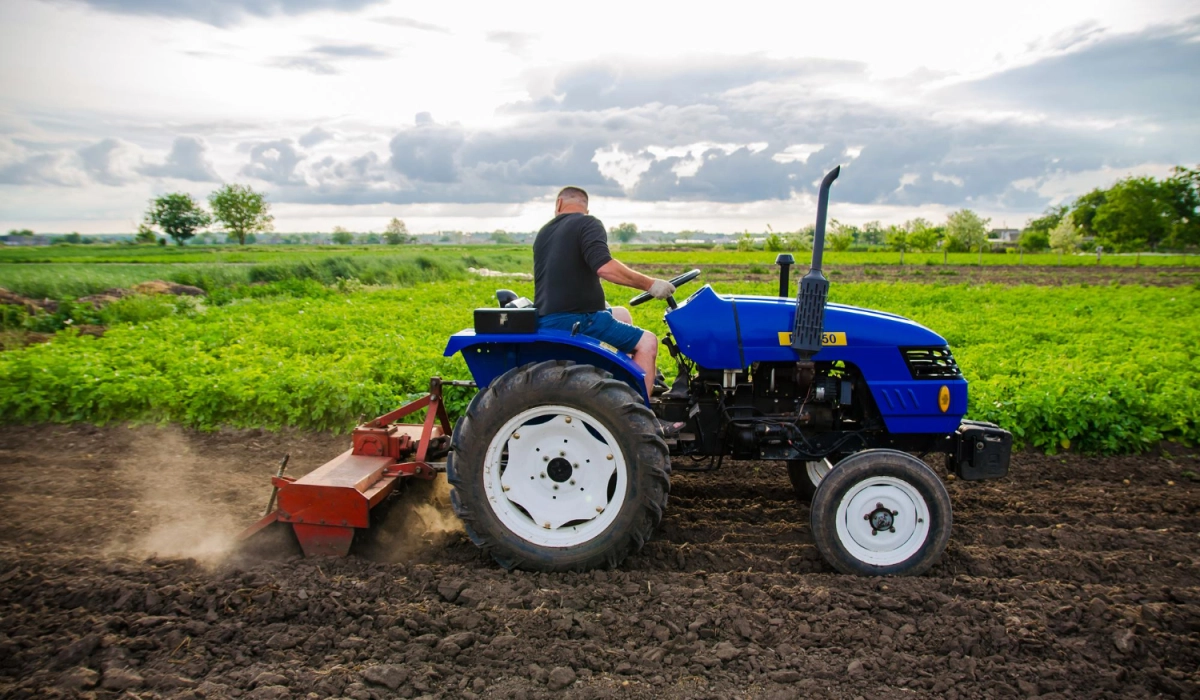
Models without a cab are more often chosen for small farms, seasonal tasks, occasional trips, and situations where the key factor is a lower price. This is a good option when the machinery is needed for basic work and will not constantly operate in difficult conditions.
Models with a cab are better suited for farmers who expect daily operation, long shifts, work in the field in various weather conditions, and increased comfort. In this case, the more expensive configuration often justifies itself thanks to convenience, productivity, and better working conditions throughout the year.
The effect of season on the practicality of the choice
During the warm season, the difference between these two options is especially noticeable when working in open areas. In spring, tractors are often used for soil preparation, fertilizer application, sowing, and transporting materials, and it is exactly at this time that the weather can quickly change from cool and damp to sharply warmer conditions. If the machine works every day, a cab makes it possible to depend less on such fluctuations and not stop work because of operator discomfort.
In autumn and winter, the advantage of an enclosed design becomes even more noticeable. Wind, dampness, cold air, and mud reduce the convenience of working on open machinery, especially when it is necessary to spend many hours in a row working with a trailer, loads, territory cleaning, or transportation of products. For farms where machinery is used year-round, a cab often becomes not an additional option, but practically a necessary condition for normal work.
Does a more expensive configuration pay off
The question of benefit almost always comes down to how often the tractor will be used. If it is machinery for regular daily operation, a more expensive configuration can pay off not only through comfort, but also through a more stable work pace. The operator gets tired less, stays attentive longer, and pauses less often because of heat, rain, or cold, and this directly affects the amount of work completed.
In small farms, the situation may be different. If the tractor is used mainly for short trips, simple work, or auxiliary tasks, paying extra for a cab does not always give a noticeable economic effect. In that case, it can sometimes be more reasonable to direct the funds toward a more powerful engine, a better transmission, four-wheel drive, or the necessary mounted equipment.
Operator comfort as a productivity factor
In practical work, comfort directly affects the result. A person working in protected conditions controls the machinery better, reacts faster to changes in the situation, and remains efficient longer. This is especially important during long field operations, when the workload stretches over many hours and several weeks in a row.
On an open tractor, the operator depends more strongly on weather factors. On hot days, fatigue from the sun and dust increases, and in the cold season, wind and low temperatures add to the strain. For short jobs this is not always critical, but with daily use such a working mode gradually begins to affect both well-being and the overall efficiency of the farm.
When a cab is especially appropriate
There are several typical situations in which a cab really provides a noticeable advantage. First of all, these are large areas, an intensive operating mode, frequent use of the tractor for transportation, fertilizer application, off-season work, and long trips into the field. It is also useful where the machinery is operated not by one person, but by several workers, and where equally normal working conditions need to be ensured for every operator.
An additional advantage is protection from dust and small debris during work on dry soils. In many regions this is important from late spring and throughout the entire summer. If the machine works in such conditions constantly, an enclosed operator station provides not only comfort, but also more stable conditions for a long shift.
When a model without a cab looks more rational
An open design remains a logical choice for those who need simple and understandable machinery without unnecessary costs. This may be a small farm, a private plot, an orchard, a greenhouse operation, or auxiliary work where the tractor does not spend a full working day in the field. Under such conditions, the lower price often outweighs the added comfort.
Models without a cab are also often chosen by those who want to simplify maintenance as much as possible and reduce initial investment. If the owner clearly understands that the machinery will work mainly in good weather and without excessive load, such a choice can be fully justified.
What matters more than the mere presence of a cab
When choosing, it is not worth reducing everything to just one parameter. A cab does not automatically make a tractor better in every case. It is much more important to assess the overall balance of characteristics: engine power, drive type, gearbox, fuel consumption, presence of reverse, service conditions, and suitability for specific farm tasks.
Sometimes a properly selected model without a cab turns out to be more useful than a more expensive tractor in a richer configuration if it better matches the area of the plot, the type of soil, and the list of jobs. And on the contrary, for intensive daily use, the cab becomes the element that makes the machine truly cost-effective in the long term.