
Advantages of Using Cast and Forged Wheels for Agricultural Machinery
Cast and forged wheels have significant strength and the ability to withstand heavy loads, making them an ideal choice for agricultural machinery.
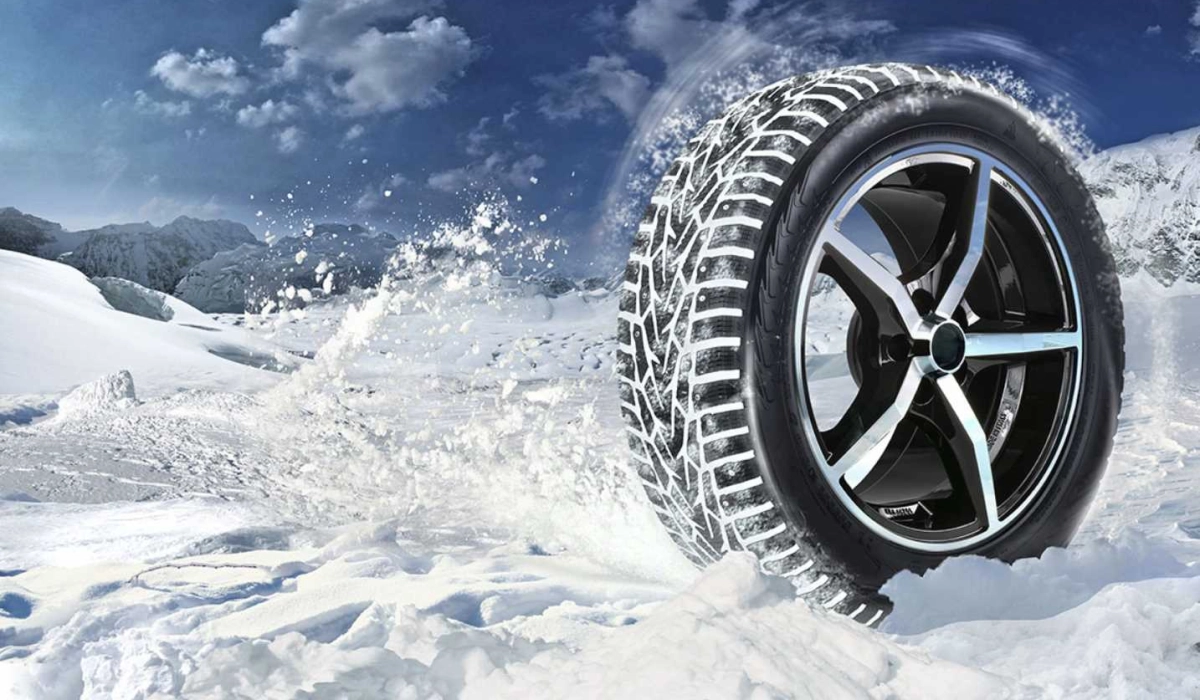
Cast and forged wheels have significant strength and the ability to withstand heavy loads, making them an ideal choice for agricultural machinery. These wheels are manufactured under high pressure, resulting in denser and more uniform metal fibers. As a result, the wheels are less prone to deformation and damage when operating under harsh conditions, such as on unworked or rocky soil. More information about suitable models can be found on the website https://koleso.ooo.
Reduction of Agricultural Machinery Weight
Cast and forged wheels are generally lighter than standard steel wheels. Using lighter wheels reduces the overall weight of the machinery, which in turn reduces fuel consumption and decreases wear on other components such as suspension and braking systems.
Increased Corrosion Resistance
Cast and forged wheels are made from alloys that exhibit high resistance to corrosion. This is especially important for agricultural machinery, which is often operated in high-humidity environments and in contact with aggressive substances such as fertilizers and pesticides. Resistance to rust helps extend the service life of the wheels and reduces costs associated with replacement or repair.
Improved Heat Dissipation
The manufacturing process of cast and forged wheels provides better heat dissipation compared to stamped wheels. This prevents brake system overheating and contributes to more efficient machine operation in hot weather or under heavy use.
Aesthetic Appearance
The appearance of the wheels is not insignificant. Cast and forged wheels feature a more modern and attractive design, which can enhance the appearance of agricultural machinery. This can be an important factor for businesses aiming to improve their image or for exhibition machines at agricultural exhibitions.
Improved Handling Characteristics
Using cast and forged wheels significantly improves the handling characteristics of agricultural machinery. Lighter wheels reduce load on the suspension and improve machine maneuverability, especially on uneven and challenging field terrain. This ensures smoother and more stable movement, reducing operator fatigue and increasing overall work productivity.
Increased Load Capacity
Due to their high strength, cast and forged wheels allow agricultural machinery to increase its load capacity without risking wheel deformation. This is especially important for heavy machinery used in operations such as harvesting or fertilizer distribution, where high reliability and the ability to transport large volumes of cargo are required.
Easy Maintenance
Cast and forged wheels are easier to clean from dirt and mud, which is an essential part of agricultural work. Their smooth surface and lack of deep grooves simplify the cleaning process after field use. This reduces the time required for maintenance and helps keep equipment in optimal condition.
Market Availability
With advancements in wheel manufacturing technology, cast and forged wheels have become more accessible in the market. Many manufacturers offer various models, allowing consumers to choose from a wide range of products at competitive prices. This makes their purchase even more attractive for agricultural enterprises of different scales.
Contribution to Environmental Friendliness
Reducing vehicle weight through the use of lighter wheels leads to lower carbon dioxide emissions, as the machine consumes less fuel. This makes cast and forged wheels a choice that contributes to sustainable development and environmental safety in the agricultural sector.
Using cast and forged wheels represents an effective solution for modern agriculture, combining strength, lightness, eco-friendliness, and improved operational characteristics. These factors make them not only practical but also economically beneficial choices for farmers and agricultural enterprises.