
Effective Use of Drones in Agriculture
A drone is an unmanned aerial vehicle capable of performing various tasks at altitude and distance from the operator. At present, drones are used not only in military operations but also in agriculture.
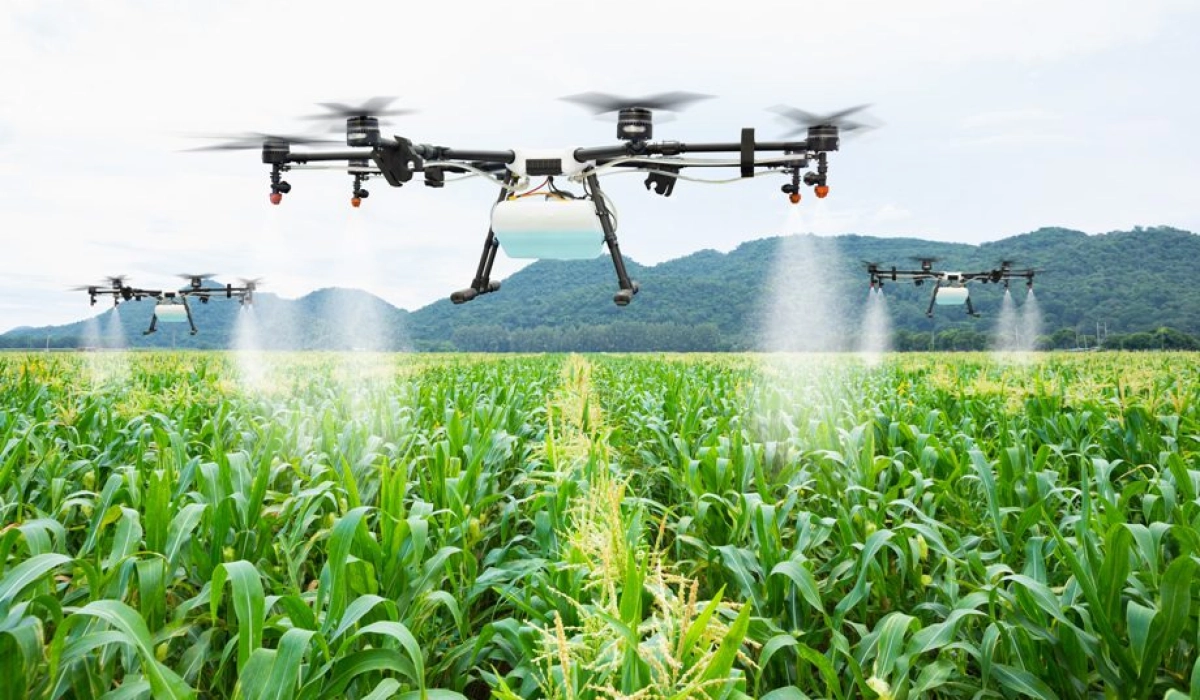
A drone – is an unmanned aerial vehicle capable of performing various tasks at altitude and distance from the operator. At present, drones are used not only in military operations but also in agriculture.
Where can you buy an agro-drone in Ukraine? New or used copter for agriculture can be viewed on the agrotech equipment marketplace https://agro.ria.com/. On the AGRO.RIA site, it is very convenient to filter devices by technical specifications and price.
Application of drones in agriculture
Drones in agriculture have several advantages over traditional methods. They allow:
-
To map land plots and crops by taking high-quality aerial images processed by specialized software to create detailed maps. These maps can help farmers optimize land preparation, fertilizer application, irrigation, crop yield, and pest control.
-
To survey land plots and crops, obtaining detailed information on soil condition, moisture, temperature, weed presence, pests, and diseases.
-
To detect weeds and precisely treat crops using special sensors and sprayers. This allows reducing chemical costs and minimizing negative impact on the environment.
-
To monitor crop condition, assessing its quality, quantity, and maturity. Drones can also assist in optimizing harvest and storage of agricultural products.
-
To manage livestock and monitor animal health, tracking their movement, feeding, behavior, and biometric indicators. Agricultural drones can also warn of potential threats to animals, such as predators, poachers, or fires.
Analysis of Pros and Cons of Drone Use in the Agro Sector
The use of drones in the agricultural sector has its advantages and disadvantages. On one hand, drones allow collecting diverse information about crop condition, animals, soil, and climate, which can be used to improve efficiency and resource savings. On the other hand, drones require special equipment, software, training, and permits for operation.
Advantages of using drones in the agricultural sector:
-
Efficiency. Agricultural drones are capable of quickly and accurately surveying large areas, transmitting data in real-time or storing it for further analysis. Drones are used for data collection using optical, infrared, thermal, and hyperspectral sensors to obtain more comprehensive information about the observed objects.
-
Time savings. Drones can replace or supplement traditional data collection methods, using ground surveys, satellite images, or aircraft with sensors. Drones can fly over any land area, regardless of its accessibility or terrain complexity. With their help, data collection processes can be automated using pre-set routes and flight programs.
-
Cost savings. Using drones minimizes agricultural production costs by optimizing resource usage: water, fertilizers, pesticides, and fuel. Agricultural drones reduce expenses on equipment, personnel, and maintenance, as they are cheaper and easier to operate than traditional data collection tools.
Drones in agriculture also have some drawbacks that need to be considered when using them:
-
High cost of purchasing and maintaining drones, as well as the need for specialized training for operators.
-
Limited flight time and operational range, which depend on the type of equipment, battery capacity, and weather conditions.
-
Restrictions on drone flights in Ukraine during wartime.
-
Risk of losing or damaging a drone in case of collision with obstacles.
Interaction of Drones with Tractors, Machines, and Agricultural Machinery for Soil Processing
To effectively interact drones with tractors, machines, and agricultural machinery, special software must be used, which allows real-time data transmission and receiving commands from operators or automated systems.
Technological Innovations and Future of Drones
In the future, drones may become an indispensable part of our society, helping people with everyday tasks, saving lives in emergencies, improving ecology and security.
However, drones also present certain risks and challenges, such as violations of privacy, ethical dilemmas, legal issues, and terrorist threats. Therefore, appropriate rules and standards for regulating drone use, particularly in agriculture, must be developed.