
Advantages of a Seed Drill in Agricultural Work
A seed drill is an important agricultural tool used for sowing seeds of various cereal crops, such as wheat, barley, corn, and others. It is a modern device that significantly improves the sowing process and has numerous advantages, making it indispensable in agricultural operations. In this article, we will examine the main advantages of a seed drill in agricultural work.
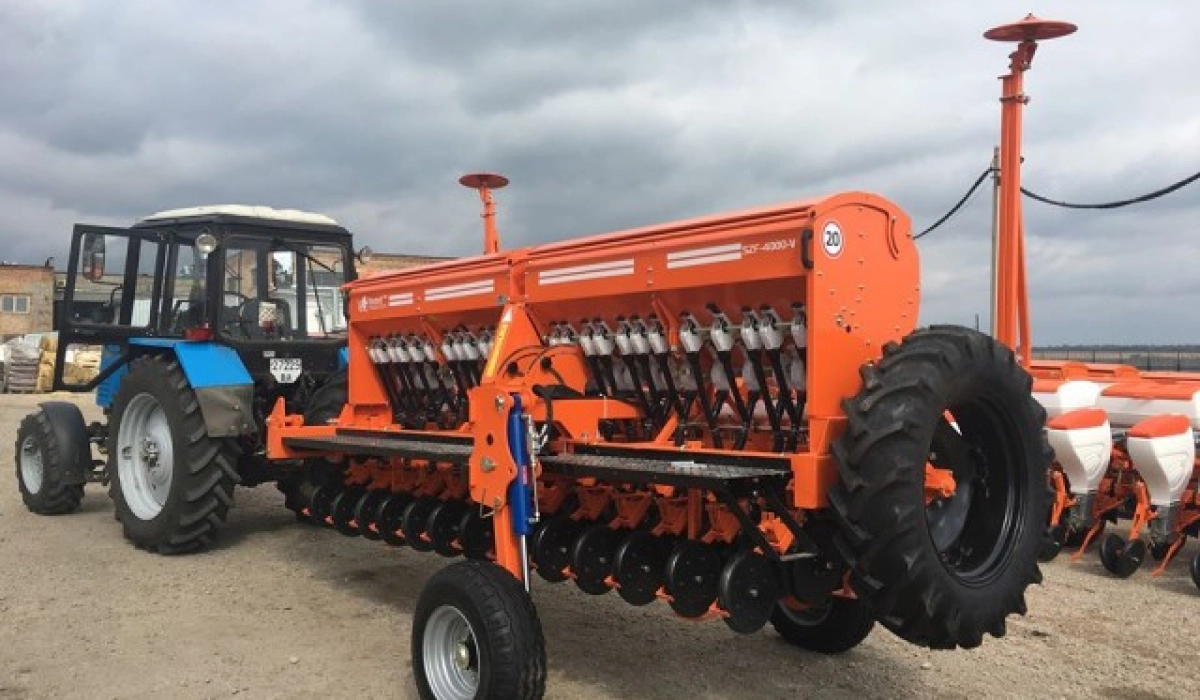

Seed Drill - this is an important agricultural tool used for sowing seeds of various cereal crops, such as wheat, barley, corn, and others. It is a modern device that significantly improves the sowing process and has numerous advantages, making it indispensable in agricultural operations. In this article, we will examine the main advantages of a seed drill in agricultural work.
1. Increased Productivity
One of the main advantages of a seed drill is increased productivity in agricultural work. Seed drills can operate at high speeds and evenly distribute seeds across the field, significantly reducing the time spent on sowing and increasing the area that can be sown within a limited time frame.
2. Even Seed Distribution
Seed drills ensure even distribution of seeds across the entire sowing area. This allows for more uniform crops and ensures even plant growth. Uniformity in sowing is crucial for achieving high yields and preventing insufficient or excessive planting density.
3. Seed Savings
Seed drills efficiently use seeds, allowing farmers to significantly reduce material costs. The seed dosing mechanisms in the drill allow precise adjustment of the amount of seeds sown per unit area. This reduces the risk of over-sowing and seed wastage, saving farmers money.
4. Reduction of Manual Labor
Using a seed drill significantly reduces the need for manual labor. Instead of manually planting seeds, farmers simply operate the drill, which reduces physical strain and increases work efficiency.
5. Improved Sowing Quality
Seed drills create ideal conditions for seed germination. They regulate the depth at which seeds are planted in the soil, ensure uniform contact with the soil, and protect seeds from birds and rodents. This promotes better seed germination and ensures healthier plant development.
6. Reduced Weeds
Seed drills help reduce weed growth. Uniform and dense seed sowing allows crops to occupy space, preventing weeds from developing. This reduces the need for manual weed control and simplifies crop maintenance.
In conclusion, seed drills are important agricultural equipment that improves productivity and efficiency in agricultural work. They provide even and economical seed distribution, minimize manual labor, and enhance sowing quality. For modern farmers, a seed drill has become an indispensable tool for achieving high yields and optimal results in agricultural production.