
How to Choose Synthetic Motor Oil
The choice of synthetic motor oil depends on several factors, such as engine type, operating conditions, and the manufacturer's recommendations for the vehicle. Here are several key factors to consider if you have decided to buy synthetic oil
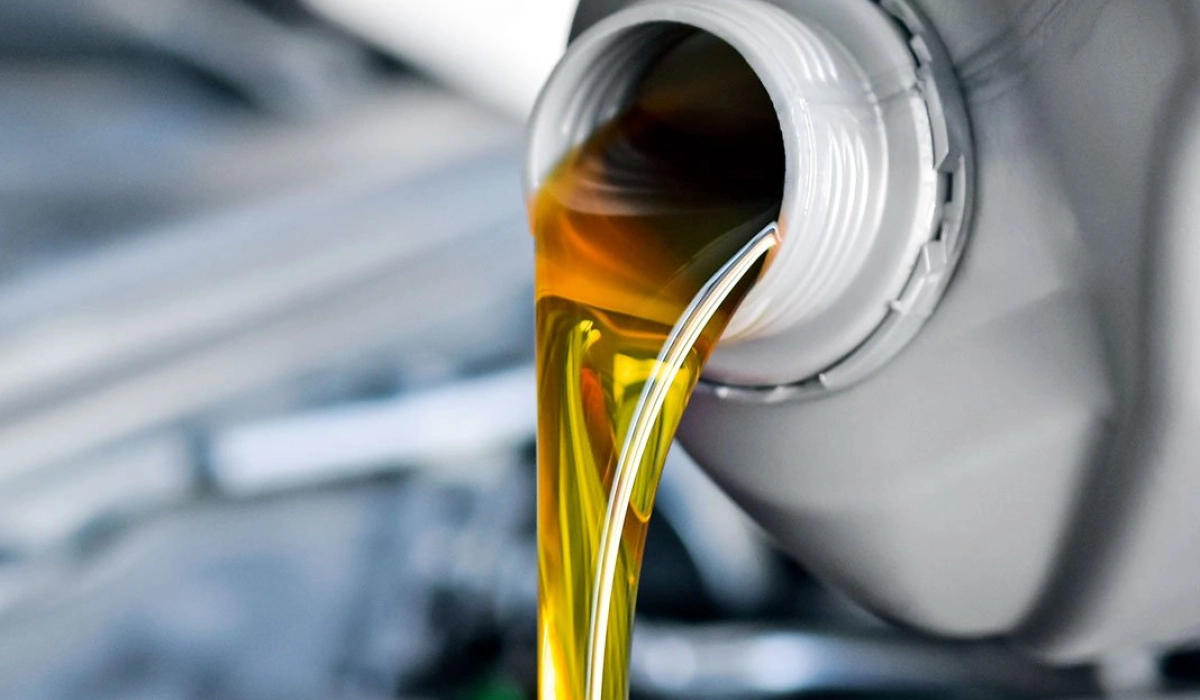
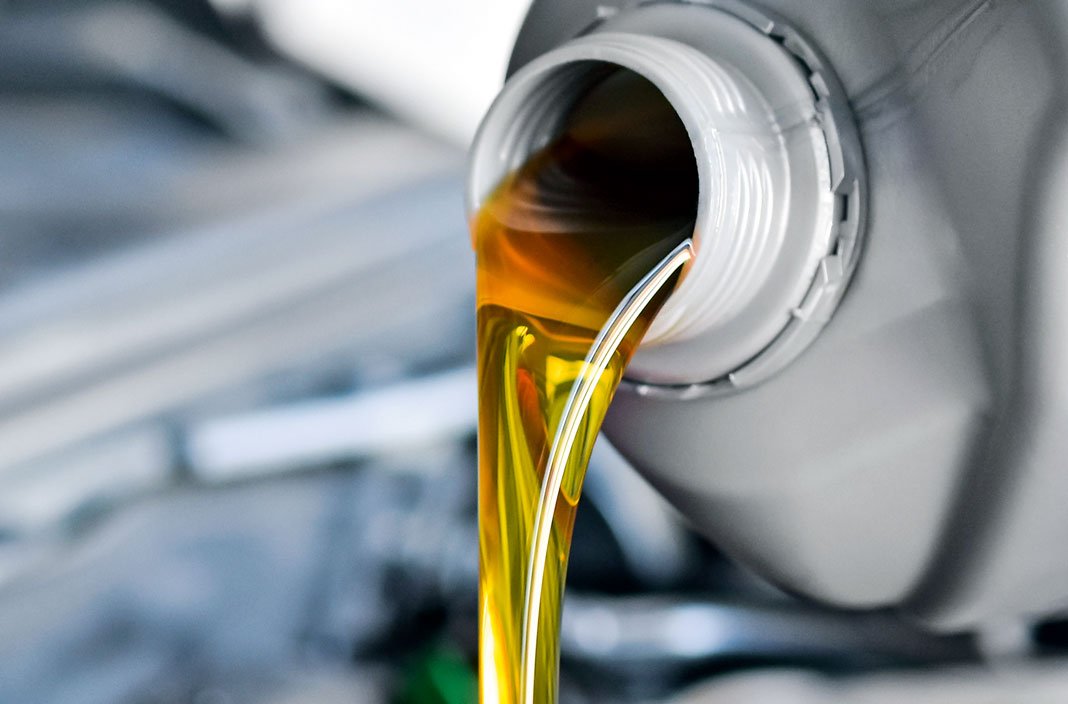
The choice of synthetic motor oil depends on several factors, such as engine type, operating conditions, and the manufacturer's recommendations for the vehicle. Here are several key factors to consider if you have decided to buy synthetic oil:
-
Engine Type: The most important thing is to understand that this oil is suitable for your vehicle's engine type. Some engine manufacturers recommend using only specific oils, such as synthetic or semi-synthetic.
-
Oil Viscosity: Viscosity indicates the oil's ability to flow at different ambient temperatures. Usually, manufacturers indicate viscosity on the packaging, for example, 5W-30 or 10W-40. Some vehicles may require a specific viscosity oil, so it is necessary to ensure that the chosen oil meets the vehicle manufacturer's recommendations.
-
Oil Specifications: Specifications such as API, ACEA, or ILSAC indicate the oil's quality and compliance with certain standards. It is recommended to choose oil that meets the specifications recommended by the vehicle manufacturer.
-
Operating Conditions and Engine Condition: The vehicle's operating conditions may influence the choice of synthetic oil. Primarily, this concerns temperature regime. Additionally, it is important to understand the engine's condition - engines with significant wear require special oils that help maintain their functionality.
-
Oil Brand: It is recommended to choose oils from well-known manufacturers that have a good reputation and guarantee the quality of their products.
-
Price: The cost of synthetic oil may vary significantly depending on the manufacturer and product quality. It is recommended to choose oil that meets the vehicle manufacturer's recommendations and quality standards, but is not excessively expensive.
Also, when choosing synthetic oil, you can pay attention to additional properties such as:
-
Fuel Economy: Some oils may have properties that help reduce fuel consumption.
-
Extended Oil Change Interval: Some oils may have a longer service interval, allowing you to reduce vehicle maintenance costs.
-
Wear and Contamination Protection: Some oils have enhanced anti-wear and anti-contamination properties, which may increase engine reliability and extend its service life.
It is important to remember that choosing the right oil is a necessary step to ensure reliable engine operation. Before selecting oil, you must review the engine and vehicle manufacturer's recommendations, as well as consider operating conditions.