
Strawberry seedlings by cassette seedlings: how to choose, so that the bushes take root quickly and give a stable harvest
The cassette format is convenient in that the root system is formed in a separate cell and is almost not injured during planting, so the plant starts in the field or on the bed without a long adaptation, and strawberry seedlings grow leaves faster and lay future flower stalks under normal conditions of moisture and temperature. It is important that the cell is completely mastered by the roots, and the earth lump keeps its shape after removal, then the transplant takes place as gently as possible.
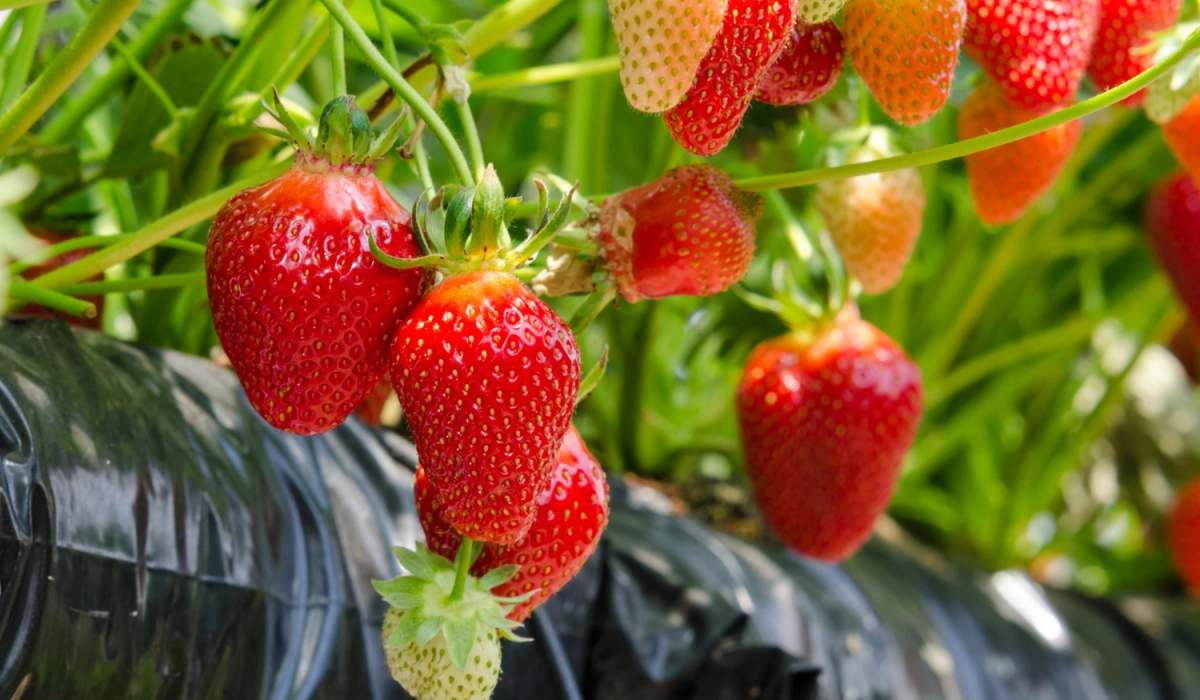
The cassette format is convenient in that the root system is formed in a separate cell and is almost not injured during planting, so the plant starts in the field or in the flower bed without long adaptation, and strawberry seedlings grow leaves faster and lay future flower stalks under normal conditions of moisture and temperature. It is important that the cell is completely mastered by the roots, and the earth lump keeps its shape after removal, then the transplant is as gentle as possible.
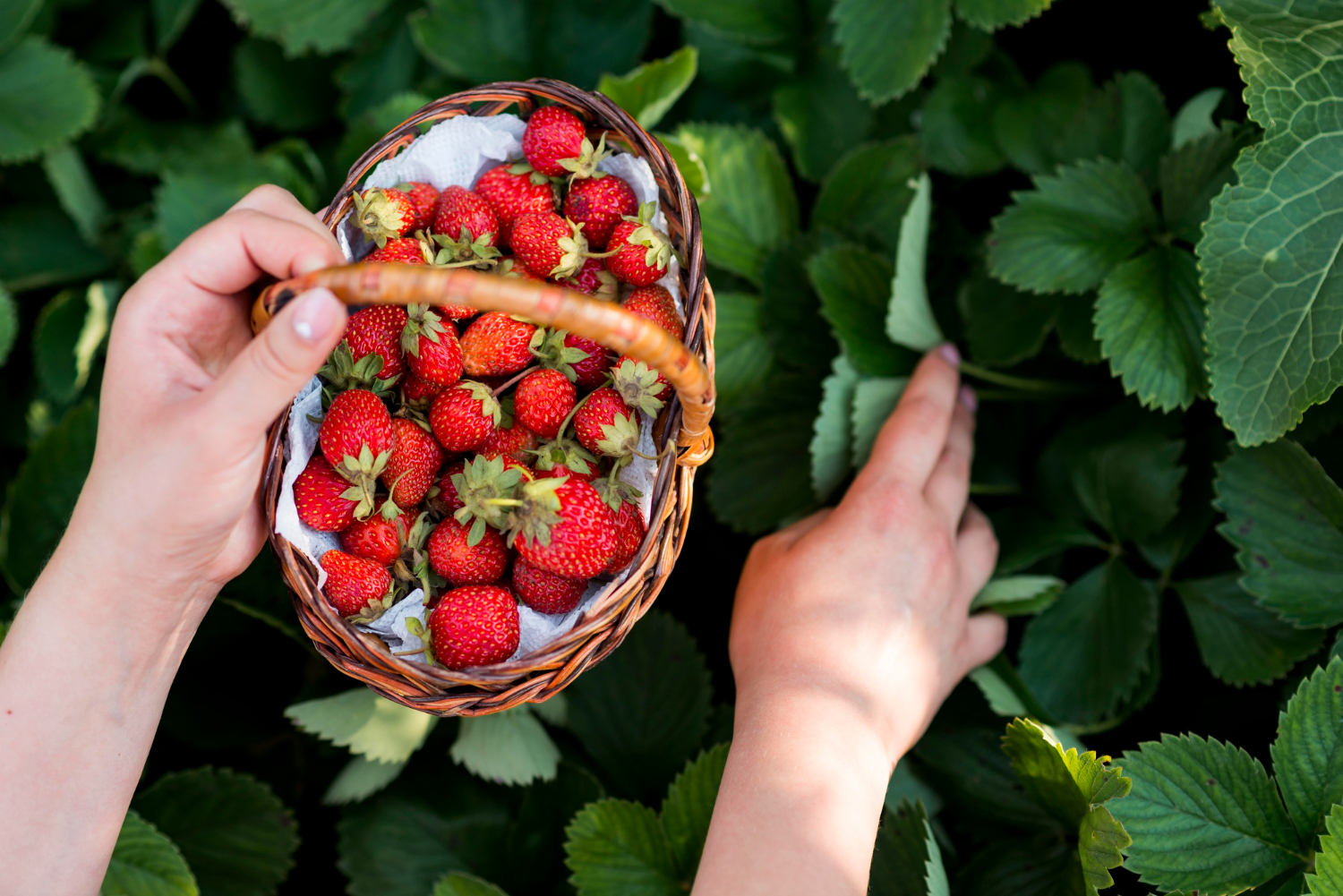
Where to take and what to check before payment
When you need to choose a variety for your region and not get weak planting material, the logic is simple: evaluate not the photo, but the condition of the plant, and only then decide where to buy seedlings with delivery so that they arrive without drying out and overheating. Check whether the seller provides clear information about the age of seedlings, type of planting material, packaging and shipping conditions, as well as whether he is ready to suggest basic care in the first weeks.
How not to mix approaches to different cultures
In many farms, berry and fruit trees grow side by side, but the rules for choosing planting material are different: for berries, the main thing is the condition of the root and moisture of the coma, and for fruit trees, the maturation of shoots and grafting are also important, so tree seedlings should not be evaluated according to the same criteria as cassette seedlings. If you plan mixed plantings, keep a separate bed for strawberries with the right soil and watering regime, then the bushes will not suffer from competition and waterlogging.
Signs of high-quality cassette seedlings
- The root system tightly entwines the earthen clod, without cavities and collapse
- Leaves are elastic, evenly green, without spots, dried edges and deformations
- The heart of the bush is alive, not buried in the ground and not rotten
- The cells are moistened, but without the swamp and the smell of stagnation
- Seedlings are uniform in size in the lot, without obvious lagging plants
- No signs of pests, cobwebs, stickiness or whitish coating
The variety for the task and the harvest calendar
For a longer season, it is convenient to combine early and late varieties, and if you want to collect berries in waves, take remontant options, but immediately establish regular nutrition and stable watering. Smooth berries and transportability are more often valued for sale, taste and aroma are more important for the family table, and varieties with dense flesh that do not spread after thawing work well for freezing.
Soil, planting and the first 10–14 days
Cassette seedlings show themselves best in loose, fertile soil with drainage and stable humidity without stagnation. When planting, do not deepen the heart and do not leave the roots exposed, the lump should lie tightly in the hole, and the soil should be pressed without excessive compaction. In the first two weeks, the key task is one thing: to maintain uniform moisture, especially if the weather is dry and windy, because it is during this period that the bush either begins to grow quickly or gets sick for a long time.
Preparation for cold weather without losses
If the planting was in the second half of the season, do not drive the bush into the greenery with an excess of nitrogen, it is better to give moderate feeding, form strong roots and provide protection against drying out and temperature changes. Before winter, it is useful to put the garden in order, remove diseased leaves, level the mulch and make sure that the plant is not left with a bare lump after rains or soil subsidence.
How to plant several varieties side by side without confusion
If you are planting several different varieties at once, separate them in rows or separate sections of the bed so as not to mix the bushes during care and collection. Different varieties can differ in growth strength, flowering periods and moisture requirements, so it is easier to manage planting when each group has its own area and a clear scheme. For cassette seedlings, this is also convenient when planting: you can see exactly where the plant has not taken root and what to replace it with.
Mulch as a tool for a stable harvest
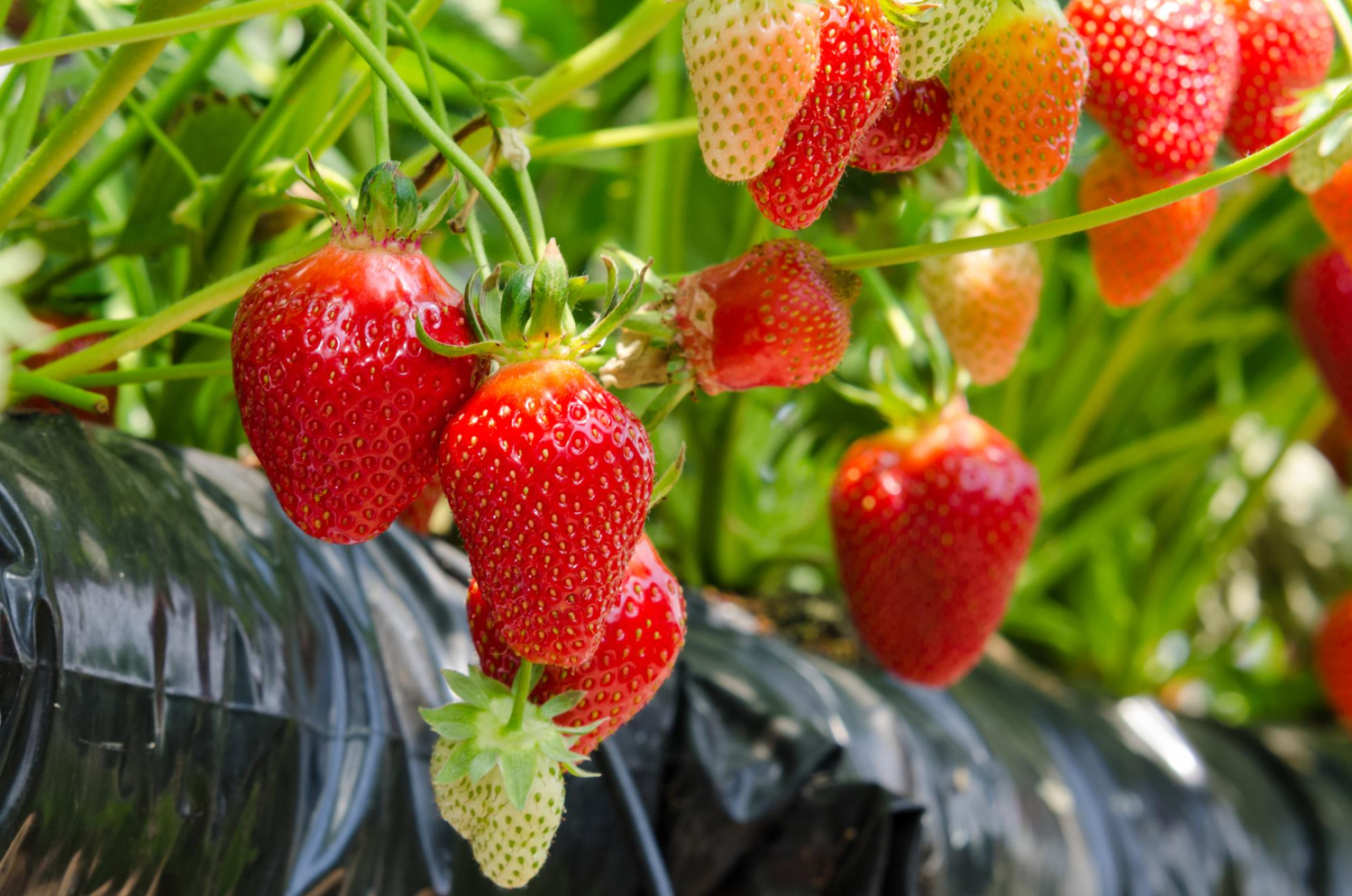
Mulching helps retain moisture, reduces soil overheating in the heat and prevents berries from touching the ground. Straw, mowed dried grass or agrofibre are often enough for household beds, but it is important not to close the core and not to create a moisture trap at the base of the bush. If the mulch is too wet and dense, the risk of rotting increases, especially during the rainy season.
Watering: more often, but correctly
Cassette bushes like uniform humidity, and sharp transitions from drying out to abundant watering often give a weaker start. Focus on the condition of the soil at a depth of 3-5 cm: it should be slightly moist, not wet. In the heat, it is better to water more often in smaller amounts than once a week with a bucket, because then the roots work stably and do not get stressed.
Food without distortions in the first season
At the start, it is important not to overfeed the bushes, especially if the soil is already filled with compost or humus. An excess of nitrogen can give many leaves, but weaker flower bud formation and increased susceptibility to diseases. A more practical approach is moderate nutrition with an emphasis on root development and general stability, and increased feeding should be done when the bush is already growing confidently and well rooted.
Typical mistakes that cause cassette seedlings to start slowly
Most often, problems start not because of the variety, but because of minor violations of planting and care. An overdried lump, sunken heart, improper planting density or water stagnation quickly nullify the advantages of the cassette format. Add here sharp temperature drops after planting without shading on sunny days, and the plant spends resources on recovery, not growth.
How to control the condition of the bushes in the first weeks
After planting, look not at the number of leaves, but at the dynamics: whether new small leaves appear from the center, whether the turgor is maintained in the heat, whether the heart does not darken. If the bush looks droopy only during the day and recovers in the morning, this is often a normal adaptation; if the lethargy is constant, it is worth checking the planting depth and humidity in the hole. It is useful to inspect the bed after rain: if there is water between the rows, furrows or raising the bed are needed, otherwise the risk of root problems will be high.
When to expect the first results and what is considered normal
With a good start, cassette seedlings quickly enter the phase of active growth, and the bushes look even and uniform. For a stable harvest, it is not the records in the first season that are important, but a healthy plant that goes through the heat and winter without loss, and then gives a predictable return. If part of the bushes fall behind, it is better to immediately plant new ones before the bed loses its uniformity, then care and collection will be much easier.