
Care for decorative plants throughout the year.
To create a beautiful and cozy garden or interior, decorative plants are indispensable. They not only add aesthetic pleasure but also create a pleasant environment for rest and work.
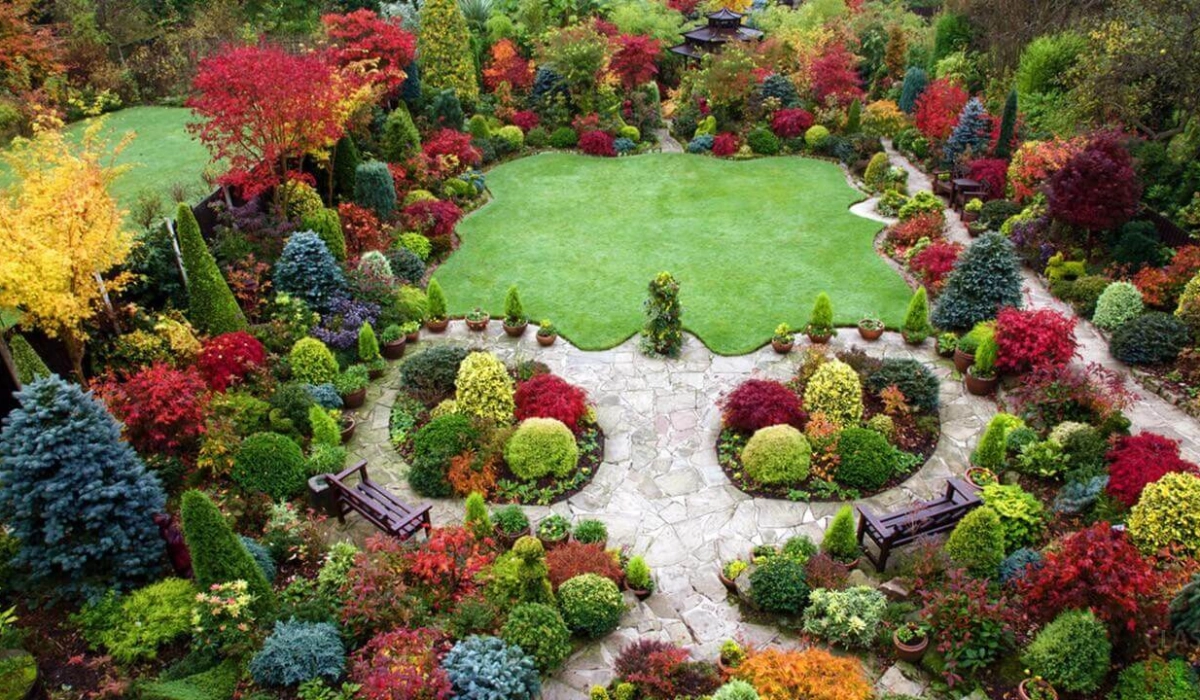
To create a beautiful and cozy garden or interior, decorative plants are indispensable. Decorative plants not only add aesthetic pleasure but also create a pleasant environment for rest and work. However, to ensure your plants always look healthy and attractive, you need to know the basics of their care throughout the year. Different seasons require special approaches from gardeners, starting from proper pruning and ending with specific fertilization.
Special care in spring
Spring is the time of active growth and development for many types of decorative plants. Main actions during this period include:
- Pruning: Removing damaged and dried branches after winter.
- Fertilization: Applying complex fertilizers to stimulate growth.
- Transplanting: Transplanting plants into larger containers or new locations in the garden.
Summer care
Summer requires special attention to watering and protecting plants from heat and pests:
- Watering: Regular and abundant watering, especially on hot days.
- Protection from pests and diseases: Regular inspection of leaves and stems for signs of pests.
- Mulching: Using mulch to retain moisture and control weeds.
Care for plants in autumn
Autumn is the time to prepare decorative plants for winter:
- Pruning: Removing weak and diseased branches.
- Winter preparation: Insulating roots of plants sensitive to frost using mulch.
- Seed collection: Collecting seeds for future sowing.
Winter care
During the winter period, decorative plants require minimal attention, but some steps are still important:
- Protection from frost: Applying winter covers for coniferous and other evergreen plants.
- Watering: Watering during cold weather, but only on warm days, to avoid water freezing in the soil.
- Plant condition check: Regular inspection for signs of disease or frost damage.
Preparing decorative plants for the growing season
Early spring is a critical moment to activate the life processes of decorative plants:
- Watering system check: Ensure your watering system is working properly before the season begins.
- Thinning plants: Removing excess seedlings to ensure adequate light and space for each plant to develop.
- Mulch renewal: Adding fresh mulch to retain moisture and maintain soil temperature.
Techniques to enhance decorative appeal
To enhance the decorative qualities of plants, various agronomic techniques can be used:
- Shaping the crown: Pruning plants not only promotes their health but can also be used to create architectural forms.
- Color accents: Planning plantings so that colors harmonize or contrast with each other in different seasons.
- Use of decorative pots and containers: Adding aesthetic appeal with stylish pots and containers.
Regular inspection and diagnosis
Regular inspection of plants will help identify and resolve potential problems in a timely manner:
- Checking for pests and diseases: Early diagnosis will help prevent the spread of problems.
- Assessing soil condition: Soil analysis may reveal nutrient deficiencies or pH problems, allowing timely adjustments to growing conditions.
- Adapting care plan: Adjusting care based on weather conditions and changing plant needs.
These recommendations will help ensure that your decorative plants remain healthy, beautiful, and vigorously growing throughout the year.
Ensuring proper drainage
Good drainage is critically important to prevent root rot and maintain the health of decorative plants:
- Checking and improving soil drainage: Adding sand or perlite to the soil to enhance its drainage properties.
- Using raised beds: They provide better drainage and are ideal for plants sensitive to excess moisture.
- Moisture control: Using moisture meters to monitor soil moisture levels.
Supporting optimal microclimate
Creating and maintaining an optimal microclimate will provide better growing conditions for decorative plants:
- Protection from extreme temperatures: Using shade nets in summer and greenhouse covers in winter.
- Air humidity regulation: Using misters or automatic humidification systems in greenhouses.
- Ventilation: Ensuring sufficient air exchange to prevent moisture buildup and fungal diseases.
Applying integrated plant protection
Integrated protection includes using biological, chemical, and cultural-agronomic methods to protect plants:
- Biological protection: Using natural predators or parasites to control pest populations.
- Mechanical protection: Installing barriers such as protective nets or barbed wire to deter animals and birds.
- Chemical protection: Careful use of pesticides, choosing products that minimally harm the environment.
Responsible resource use
Effective resource use not only promotes sustainable development but also ensures cost savings:
- Composting: Converting organic waste into compost to enrich the soil.
- Water conservation: Collecting rainwater and using drip irrigation to reduce water consumption.
- Responsible fertilizer use: Applying fertilizers strictly according to schedule and plant needs.
Ensuring quality care for decorative plants requires attention and a systematic approach throughout the year. Carefully following these recommendations will help your plants remain healthy, beautiful, and productive.
Effective fertilization of decorative plants
Fertilization is a key aspect of maintaining the health and beauty of decorative plants, and it must be carried out according to the plant’s growth stage and season:
- Spring fertilization: Using nitrogen-rich fertilizers to stimulate leaf and stem growth.
- Summer fertilization: Applying potassium and phosphorus fertilizers to support flowering and fruit growth.
- Autumn fertilization: Applying potassium to increase frost resistance and help plants recover after the summer period.
Controlling and adjusting microclimate in enclosed spaces
For decorative plants growing indoors, it is important to provide proper conditions:
- Temperature control: Maintaining stable temperatures according to each plant’s needs.
- Humidity regulation: Using humidifiers or regular misting to maintain optimal air humidity.
- Ensuring adequate lighting: Installing additional light sources or rearranging plants closer to natural light sources.
Preventing and combating plant stress
Stress in decorative plants can arise from sudden environmental changes or inadequate care:
- Monitoring external signs of stress: Changes in leaf color, wilting, or leaf drop are indicators of stress.
- Care adjustment: Adapting watering, fertilization, and lighting regimes according to plant needs.
- Applying growth stimulants: Using organic growth stimulants to increase plant resistance to stressful conditions.
Planning garden design with decorative plants
A well-thought-out garden design allows decorative plants to be used not only as individual elements but as part of the overall composition:
- Creating color accents: Using plants with bright leaves or flowers to create visual accents.
- Using different textures: Combining plants with different leaf textures to add depth and contrast to the design.
- Space zoning: Using tall plants to visually divide space into zones or create private corners.
Considering these recommendations, you can not only maintain the health and beauty of decorative plants throughout the year but also effectively use them in landscape design.