
Thuja Seedlings: Evergreen Beauty for Your Garden
Thuja seedlings are an excellent choice for those who want to give their garden a green and beautiful look throughout the year. Their unique characteristics, ease of care, and variety of cultivars make thuja an attractive option for landscape design. We hope our article has helped you understand how to select, plant, and care for these beautiful plants to turn your garden into a true corner of beauty and tranquility.
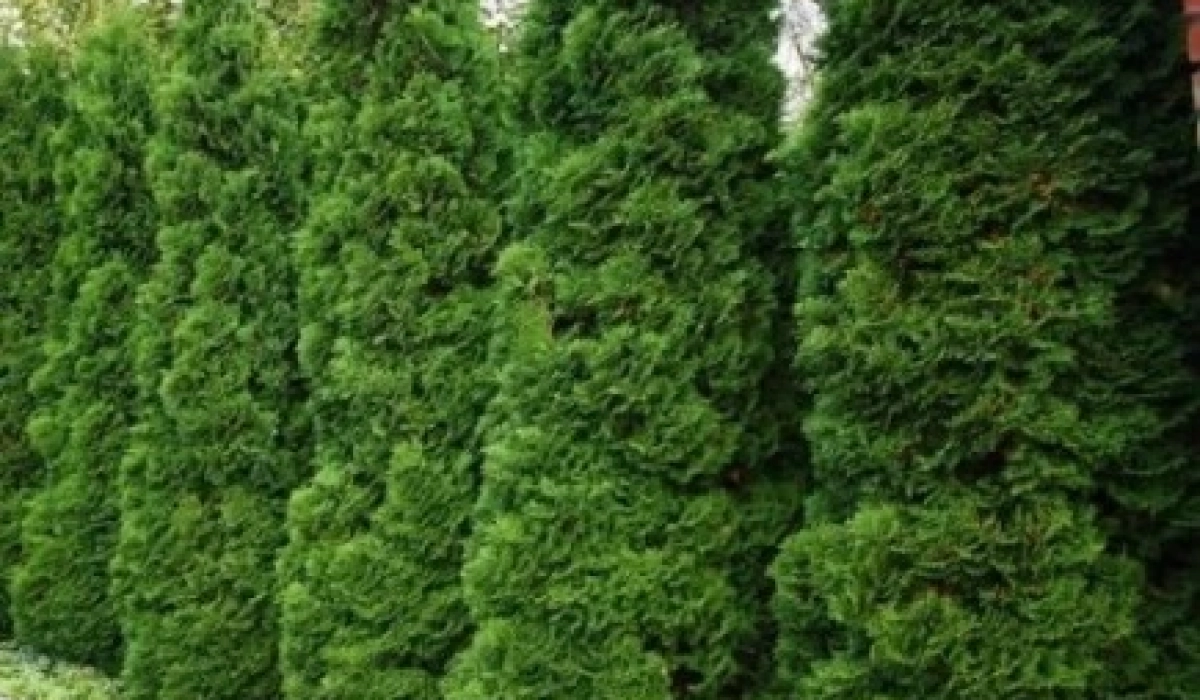
Thuja Seedlings at yaskravaklumba.com.ua (lat. Thuja) are beautiful evergreen plants from the Cupressaceae family, which attract gardeners and landscape designers with their elegant appearance and ease of care. In this article, we will tell you how to properly choose, plant, and care for thuja seedlings to turn your garden into a true corner of greenery and beauty.
Choosing the Right Spot
Before planting thuja seedlings, it is important to choose the right spot for their thriving. The following factors should be considered:
- Lighting: Thuja prefers sunny spots but does not tolerate prolonged exposure to direct sunlight. Choose a spot with partial sunlight or light shade.
- Protection from drafts: Thuja is sensitive to drafts, so the spot should be chosen protected from strong winds.
- Soil: Fertile soil with good drainage is preferred. If the soil is poor, it can be improved by adding sand and peat.
Planting Thuja Seedlings
Once the spot is chosen, you can proceed with planting thuja seedlings. It is important to follow these steps:
- Preparing the hole: Dig a hole 35-40 cm wider and 15-30 cm deeper than the root ball of the seedling.
- Preparing the soil: Place a mixture of fertile soil with compost or manure at the bottom of the hole.
- Preparing the seedling: Before planting, soak the roots of the seedling in water to ensure they are well hydrated.
- Planting the seedling: Place the seedling in the center of the hole, spread the roots, and make sure the root collar is slightly above soil level.
- Filling the hole: Fill the hole with good soil mix and compact it gently by pressing the soil.
- Watering: Water the seedling generously, using 1.5-2 buckets of water per plant.
Growing Conditions and Care for Thuja
Thuja seedlings require proper care for healthy growth and development. Here are some important points:
- Watering: After planting, water the seedlings regularly. It is especially important to maintain optimal moisture levels during hot weather.
- Fertilizing: In spring, you can fertilize the plants with a complex mineral fertilizer to provide them with necessary nutrients.
- Pruning: Thuja responds well to pruning. Prune the plants to shape the desired crown and maintain their compactness.
- Protection from pests: Regularly inspect thuja for pests and take timely measures to eliminate them.
Transplanting Thuja
Periodic transplanting of thuja may be necessary for various reasons. When transplanting, follow these steps:
- Preparation: Loosen the soil around the plant a year before transplanting to form a limited root ball.
- Transplanting: Carefully dig up the plant with the root ball and transport it to the new location.
- Planting: Dig a new hole, prepare the soil, and place the plant without damaging the roots.
- Watering: Water the plant generously after transplanting.
Variety of Thuja Cultivars
Thuja seedlings come in a variety of cultivars, each with its own unique characteristics. Below are some popular thuja cultivars:
- Thuja occidentalis 'Smaragd' (Smaragd) - a cultivar with a narrow, pyramidal crown and deep green needles. One of the most popular cultivars for living hedges.
- Thuja occidentalis 'Golden Tuffet' (Golden Tuffet) - a cultivar with a dense spherical crown and golden-yellow needles, which looks great as a solitary plant.
- Thuja occidentalis 'Rheingold' (Rheingold) - this cultivar is known for its bright orange-gold needles, which are especially striking in spring.
- Thuja plicata 'Martin' (Martin) - a cultivar with a dense columnar crown and soft dark green needles.
Cold Resistance and Protection from Cold
Thuja seedlings are coniferous plants with good cold resistance. However, to protect them from possible damage during cold periods, consider the following important aspects:
- Mulching: After planting and in autumn, cover the base of the seedling with mulch, such as pine bark or peat. This will help keep the soil moist and protect the roots from temperature fluctuations.
- Winter watering: Before the onset of cold weather in autumn, water the seedlings generously to allow the roots to absorb moisture before winter frosts.
- Protection from wind: When planting, consider options to protect seedlings from strong winds, such as installing temporary barriers.
Thuja is a versatile plant for landscape design. Thuja seedlings are a versatile plant for landscape design due to their adaptability and aesthetics. Here are some ideas for using them in your garden:
- Living hedges: Plant several thuja seedlings in a row to create a green and attractive living hedge that will serve not only as a garden decoration but also as a functional element for space division.
- Specimen plants: Choose the most beautiful and healthy seedlings and plant them as specimen plants to give your garden an elegant and refined look.
- Alleys and borders: Use thuja to design alleys or borders to add structure and harmony to your garden design.
Thuja seedlings are an excellent choice for those who want to give their garden a green and beautiful look throughout the year. Their unique characteristics, ease of care, and variety of cultivars make thuja an attractive option for landscape design. We hope our article has helped you understand how to select, plant, and care for these beautiful plants to turn your garden into a true corner of beauty and tranquility.